Understanding Common Houseplants That Are Actually Succulents
Over the years, I've made my fair share of houseplant mistakes, but each one has helped me become a better plant parent. One of the most common errors is not recognizing that certain plants are actually succulents. This can lead to overwatering and insufficient light, which often results in rotting roots or even the death of the plant.
Succulents come in a wide range of shapes, sizes, and appearances, making it easy to mistake them for other types of houseplants. This confusion can cause improper care, leading to issues like mushy foliage or shriveled leaves. To help prevent these mistakes, I’ve compiled a list of five popular indoor plants that many people don't realize are succulents and what you should do to ensure they thrive.
1. String of Hearts
The string of hearts is one of the first houseplants I didn’t realize was a succulent. With its long, trailing strands of heart-shaped leaves, it doesn’t look like a typical succulent. However, it's a trailing succulent native to South Africa, where it grows in rocky and semi-arid landscapes. In its natural habitat, it stores water in its leaves to survive hot temperatures.
In the home, the string of hearts doesn’t need frequent watering. It actually prefers a short period of drought between waterings and thrives in direct sunlight. However, prolonged drought can cause the leaves to shrivel and the strands to drop. I use a soil moisture meter to check when it’s time to water, ensuring I don’t overwater or underwater it.
2. Snake Plant
Snake plants are another common houseplant that many people don’t realize are succulents. Their sword-shaped leaves don’t resemble traditional rosette-shaped succulents like echeveria. However, their native habitat in Western Africa—arid, rocky, and desert-like—reveals their succulent nature. They store water in their foliage and thrive in bright, indirect sunlight.
If you don’t adjust the watering, warmth (ideally between 60-85°F), and light for your snake plant, you may notice drooping leaves or curling foliage. Direct sun can also cause leaf scorch. To reduce pest problems like fungus gnats and spider mites, avoid overwatering and clean the leaves regularly with a slightly damp microfiber cloth.
3. Ponytail Palm
Ponytail palms are often mistaken for regular indoor trees, but they are actually succulents. Native to semi-desert regions of Mexico, they store water in their bulbous base, allowing them to survive extreme summer temperatures. This means they don’t need frequent watering, even when you’re away on vacation.
For optimal growth, place your ponytail palm in a spot with several hours of direct sunlight. You might also want to consider repotting it with a well-draining succulent potting mix to prevent root rot.
4. Christmas Cactus
Despite its name, the Christmas cactus is a succulent native to coastal areas of Brazil. It thrives in temperatures between 65-75°F and bright light. Unlike many other succulents, the Christmas cactus enjoys higher humidity. To encourage blooming, increase humidity by placing it on a pebble tray or using a plant mister. Also, keep it in the dark for a few weeks to mimic the long, dark nights of its native environment, which triggers flowering.
5. Hoya
Hoyas are indoor flowering plants known for their waxy flowers, which differ from those of other succulents and cacti. However, their thick, fleshy leaves indicate their succulent nature. Native to subtropical regions of Asia, they grow as epiphytes, meaning they attach themselves to tree bark rather than growing in soil.
Hoyas prefer bright, indirect light and can be scorched by direct sun. If your hoya isn’t blooming, it may simply need more time—most start blooming between ages three to five. Using a hoya fertilizer can also help boost growth and encourage flowering.
FAQs
Are There Any Succulents For Low Light?
Yes, some succulents are better suited for low-light conditions, such as snake plants, haworthias, and string of pearls. However, their growth will be slower in lower light, so you may want to invest in a grow light to give them a daily boost.
With the knowledge of these houseplants that are actually succulents, you can now focus on styling your indoor garden to make it more vibrant and beautiful.
Shop Succulent Accessories
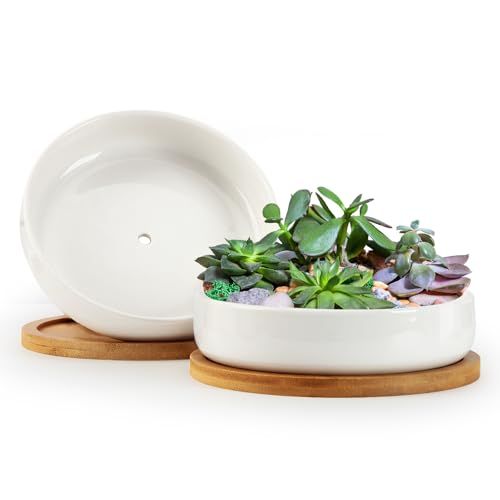
Succulent Planter
This planter is perfect for succulents due to its shallow design, drainage hole, and saucer to remove excess water.
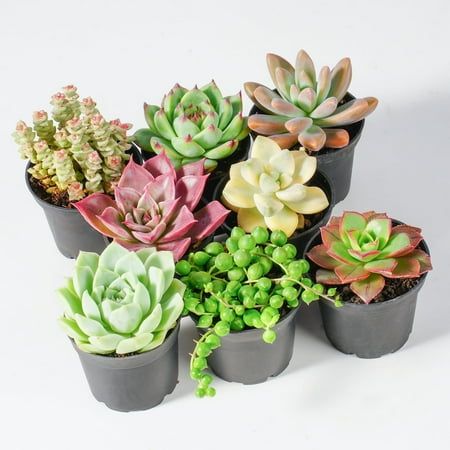
Assorted Succulents
This pack of 8 mini succulents includes string of pearls, echeveria, and more, making it great for starting your collection.

Glass Indoor Watering Can
This unique glass watering can adds a pop of color to shelves or coffee tables while being practical for watering.

Succulent Potting Mix
This specially formulated mix is well-draining and nutrient-rich, supporting strong plant growth.

Mini Houseplant Tools
These tools include two trowels for potting and a rake to aerate soil, making them essential for succulent care.

RHS The Little Book of Cacti & Succulents
This handbook provides all the information needed to care for succulents and cacti, making it a perfect gift for novice plant lovers.