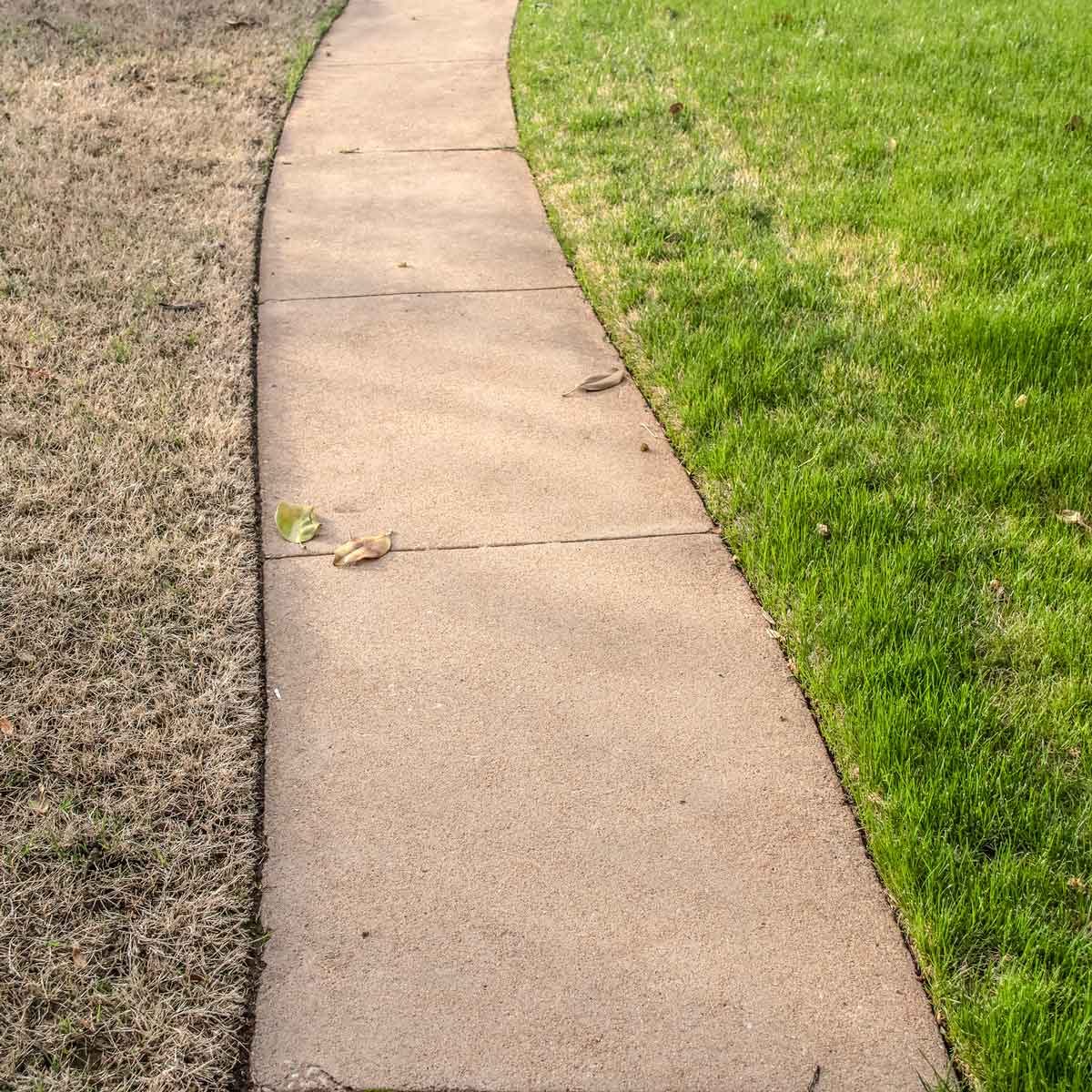
A lush, green lawn is the dream of many homeowners, but achieving it can be a challenge. Grass, like any other plant, requires the right combination of sunlight, water, nutrients, and care to thrive. Unfortunately, most lawns face one or more issues that can hinder their growth and health. Identifying these problems early and understanding their causes is the first step toward restoring your lawn to its former glory.
Over-Watering
One of the most common mistakes homeowners make is over-watering their lawn. Signs of over-watering include yellowing grass or the appearance of mushrooms. While it might seem counterintuitive, too much water can be just as harmful as too little. Most lawns only need about an inch of water per week, including rainfall. If you have an irrigation system, it’s important to monitor how much water it's providing to avoid excess.
Too Much Shade
Shade from buildings or trees can lead to thinning grass and the growth of algae or moss. While you can’t control the shadow cast by your house, you can manage tree canopies by pruning or removing some branches. This allows more sunlight to reach the grass, promoting healthier growth.
Moles, Voles and Other Critters
Mole activity often shows up as ridges on the lawn surface, which can damage the grass. These tunnels can also cause the grass to die in their path. Mowing over these ridges can further harm the lawn. Trapping or using baits like Talpirid or Victor Bait Pellets are effective ways to eliminate moles. Skunks and raccoons may also dig for grubs, causing similar damage. However, voles typically only create minor cosmetic issues that usually resolve themselves.
Dog Damage
Dog urine, due to its high salt content, can kill grass, resulting in yellowish dead spots. To address this, scratch up the affected area, apply gypsum, and then water it in thoroughly. Finally, reseed the spot and cover it with soil. Gypsum is safe for pets, so there’s no need to worry about their safety.
Patchy Grass
Patchy grass can occur when different types of grass seed are mixed together. This leads to variations in color, strength, and growth rate. When reseeding, choose grass varieties that are suitable for your region and lawn conditions. For example, northern lawns should use a mix containing mostly Kentucky bluegrass, while shaded areas benefit from fine fescue. Southern lawns may prefer Bermuda grass, centipede grass, zoysia grass, or tall fescue. Consulting local experts can help you choose the best options for your lawn.
Compacted Soil
Compacted soil can lead to water pooling, dull grass, and thinning. A simple test is to try sticking a screwdriver into the ground. If it’s difficult to insert, your soil is likely compacted. Changing mowing patterns and aerating your lawn each fall can help loosen the soil and allow roots to grow more freely.
Weeds
Weeds are a common issue in lawns, especially if the grass isn’t dense enough to prevent them from taking over. Common weeds include crabgrass, dandelions, and clover. Some, like creeping charlie, can be particularly invasive. A healthy lawn is the best defense against weeds, along with regular hand weeding. Using a quality weed killer can also help keep weeds at bay.
Turf Diseases
Turf diseases such as dollar spot or brown patch can appear as patches, lesions, or a greasy substance on the lawn. While some are cosmetic, others can be serious. Fungicides are available for treating these issues, but it's important to use the right type for the specific disease. Consulting a professional can help identify the problem and recommend the best treatment.
Over-Fertilizing
Over-fertilizing can lead to spongy or puffy grass, which can result in unsightly scalping when mowing. It’s important to use quality fertilizers that contain slow-release nitrogen to provide even feeding. Avoid overwatering and over-fertilizing, and instead focus on enjoying your lawn.
Buying Cheap
Using low-quality lawn products can lead to patchiness, lack of uniformity, and increased weed and disease problems. Investing in higher-quality products ensures better results and a healthier lawn. As the saying goes, you get what you pay for.
FAQs
Can my lawn have multiple problems at once?
Yes, it's possible for a lawn to have multiple issues simultaneously, such as nutrient deficiencies, diseases, or pest infestations. Tackling one issue at a time is the best approach to restoring your lawn.
When do I need to bring in a pro to diagnose and fix my lawn?
You can start with DIY solutions and research, but if your efforts don’t work, it’s time to consult a professional. Leaving a poor lawn state untreated can lead to more severe problems down the line.
About the Expert
Angelika Zaber is a lawn care specialist and gardening expert at Online Turf. She provides valuable insights and advice to help both novice and experienced gardeners maintain healthy, vibrant outdoor spaces throughout the year.