The Benefits of Ground Cover Plants
Ground cover plants, though often overlooked, play a vital role in maintaining a healthy and beautiful garden. These low-growing plants offer numerous environmental benefits while enhancing the visual appeal of any landscape.
One of the primary functions of ground cover plants is to suppress weed growth by covering the soil with foliage. This not only reduces the need for manual weeding but also helps protect the soil from compaction. Additionally, the leaf canopy acts as a natural insulator, keeping the soil cooler in summer and warmer in winter. This temperature regulation helps reduce moisture loss through evaporation, which is beneficial for neighboring plants.
The roots of ground cover plants are essential for stabilizing the soil, preventing erosion caused by wind and water. This makes them particularly valuable on slopes or areas prone to runoff. Evergreen ground covers provide these services year-round, adding color and interest to the winter garden.
From an aesthetic perspective, ground cover plants help unify the garden, creating a more cohesive and finished look. They can be used to emphasize accents and focal points, blend different sections of the garden together, and even serve as edging for walkways. Many ground covers also produce seasonal blooms that attract pollinators and add beauty to the landscape. Evergreen varieties provide shelter for overwintering pollinators and support a variety of ground-dwelling insects and vertebrates throughout the year.
However, it's important to choose native or well-behaved ground cover plants to avoid invasive species. Common choices like periwinkles (Vinca spp.), Japanese spurge (Pachysandra terminalis), English ivy (Hedera helix), and wintercreeper (Euonymus fortune) have escaped cultivation and can displace native plants. Fortunately, there are many better alternatives that remain contained and require less maintenance.
Top Ground Cover Plants for Your Garden
1. Thyme
Botanical Name: Thymus spp.
Sun Exposure: Full sun
Soil Type: Dry, well-draining
Soil pH: Mildly acidic to alkaline (6.0-8.0)
USDA Hardiness Zones: 5 to 9
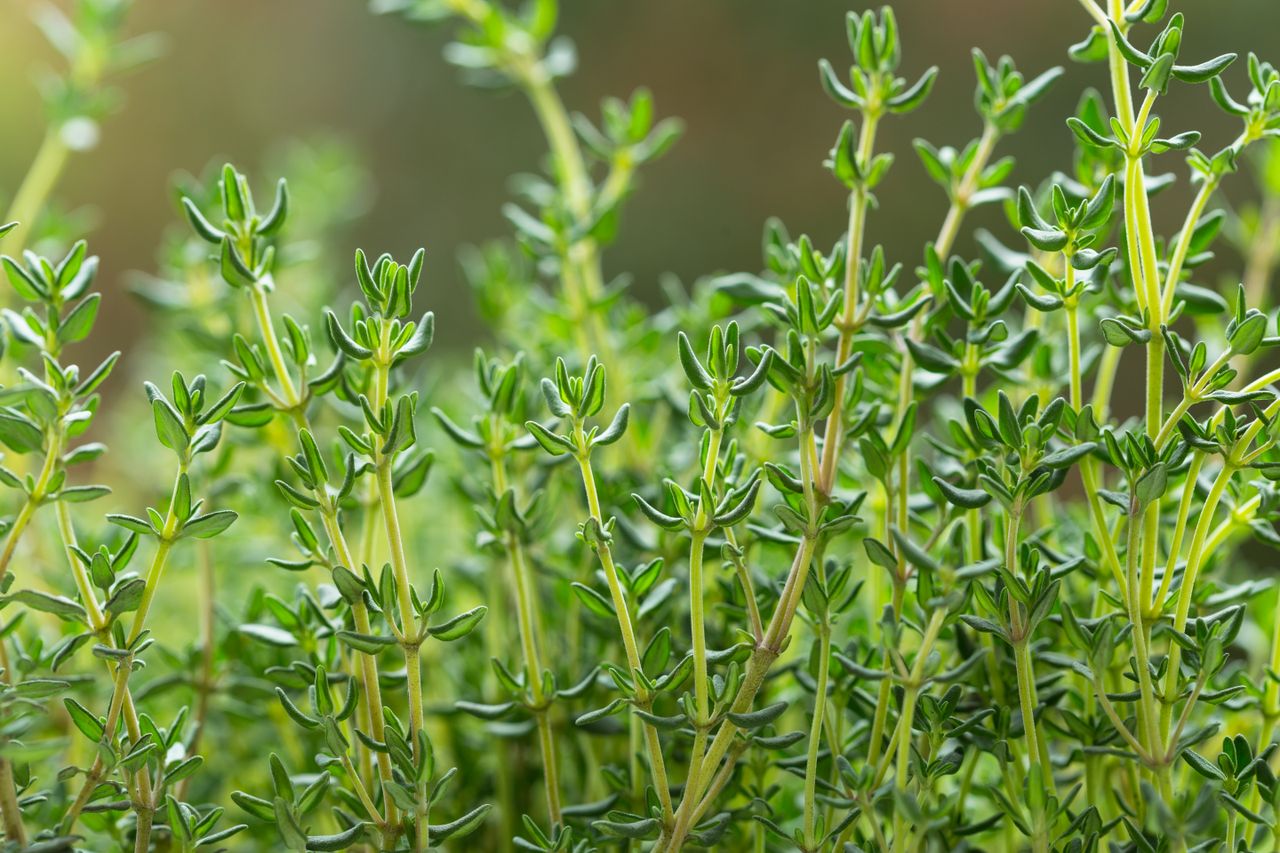
Thyme is a classic ground cover that forms a dense, low-growing mat of silvery foliage. Varieties like wooly thyme (Thymus pseudolanuginosus) and creeping thyme (Thymus praecox) are ideal for ornamental gardens due to their dense coverage and attractive blooms. In kitchen gardens, common thyme (Thymus vulgaris) serves as both a flavoring agent and a decorative ground cover.
2. Allegheny Spurge
Botanical Name: Pachysandra procumbens
Sun Exposure: Partial to full shade
Soil Type: Rich, well-draining
Soil pH: Acidic (5.5-6.5)
USDA Hardiness Zones: 5 to 9
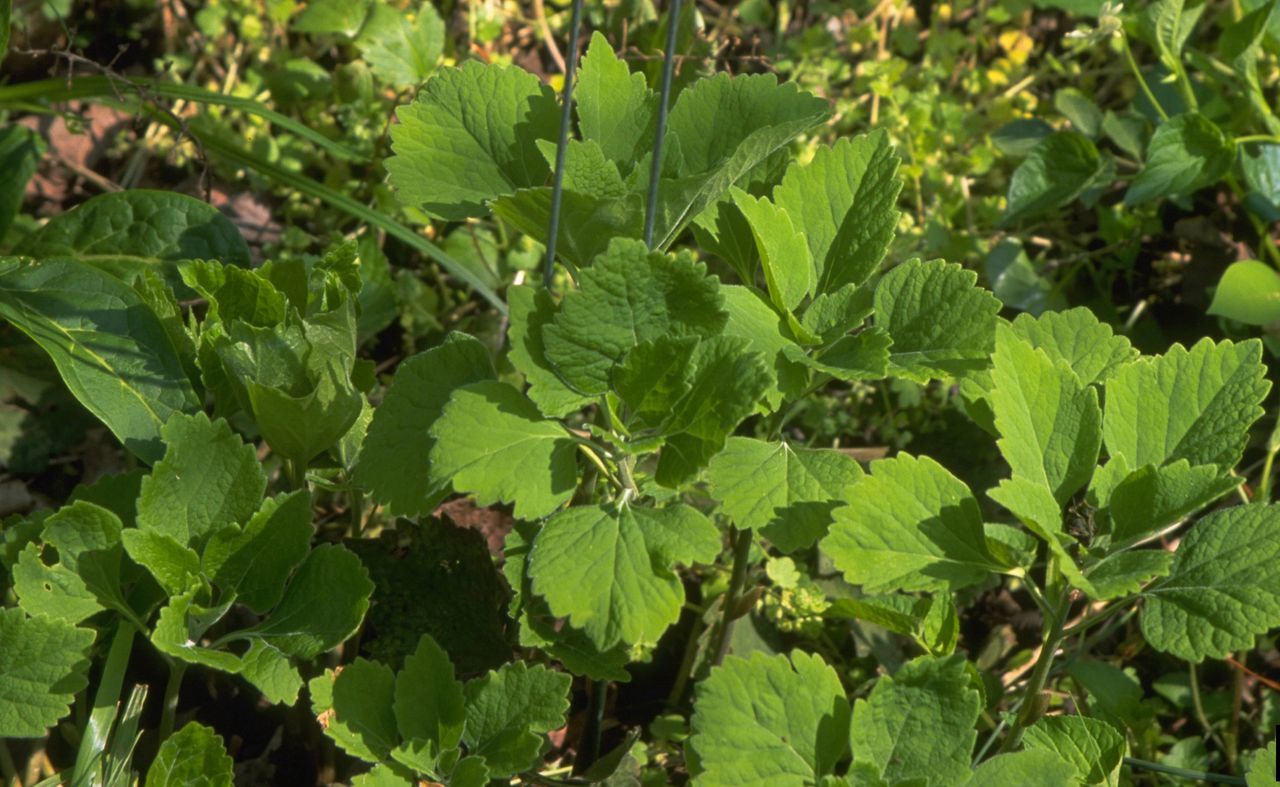
Allegheny spurge is a native woodland ground cover that is much more manageable than its Japanese counterpart. It features blue-green foliage mottled with silver spots, making it a lovely choice for planting beneath trees and large shrubs. It spreads slowly by rhizomes to form a dense carpet and remains evergreen in warmer regions.
3. Juniper
Botanical Name: Juniperus spp. and cultivars
Sun Exposure: Full sun
Soil Type: Average, medium, well-draining
Soil pH: Acidic to alkaline (5.0-8.0)
USDA Plant Hardiness Zone: 3 to 9
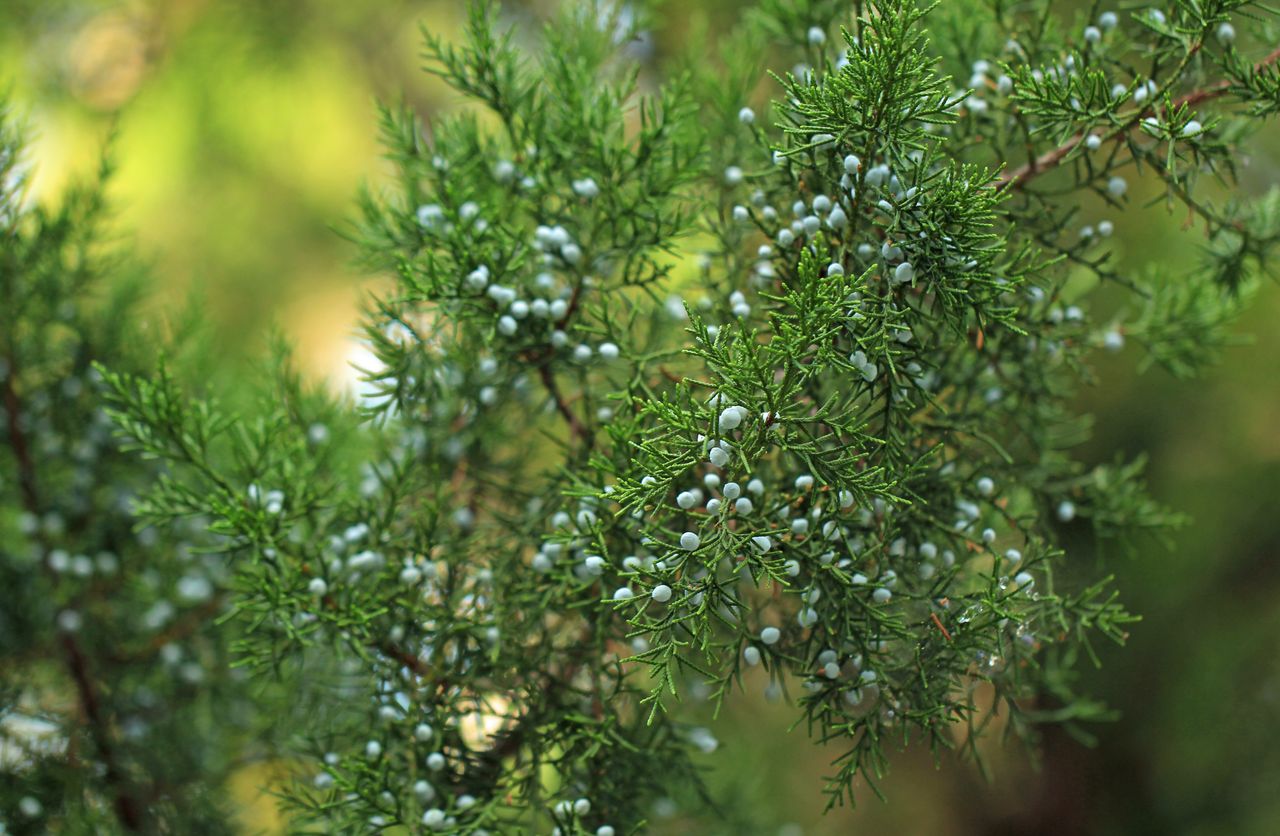
While not all ground covers are petite, junipers offer a range of sizes. Some varieties hug the ground, producing mounds of silver-blue, green, or gold foliage. Their size makes them ideal for foundation plantings, borders, and rock gardens. Junipers are heat and drought tolerant and resistant to deer.
4. Wild Ginger
Botanical Name: Hexastylis spp.
Sun Exposure: Part shade; dappled sun
Soil Type: Moist, well-draining
Soil pH: Acidic to neutral (<6.0-7.0)
USDA Plant Hardiness Zone: 5 to 9
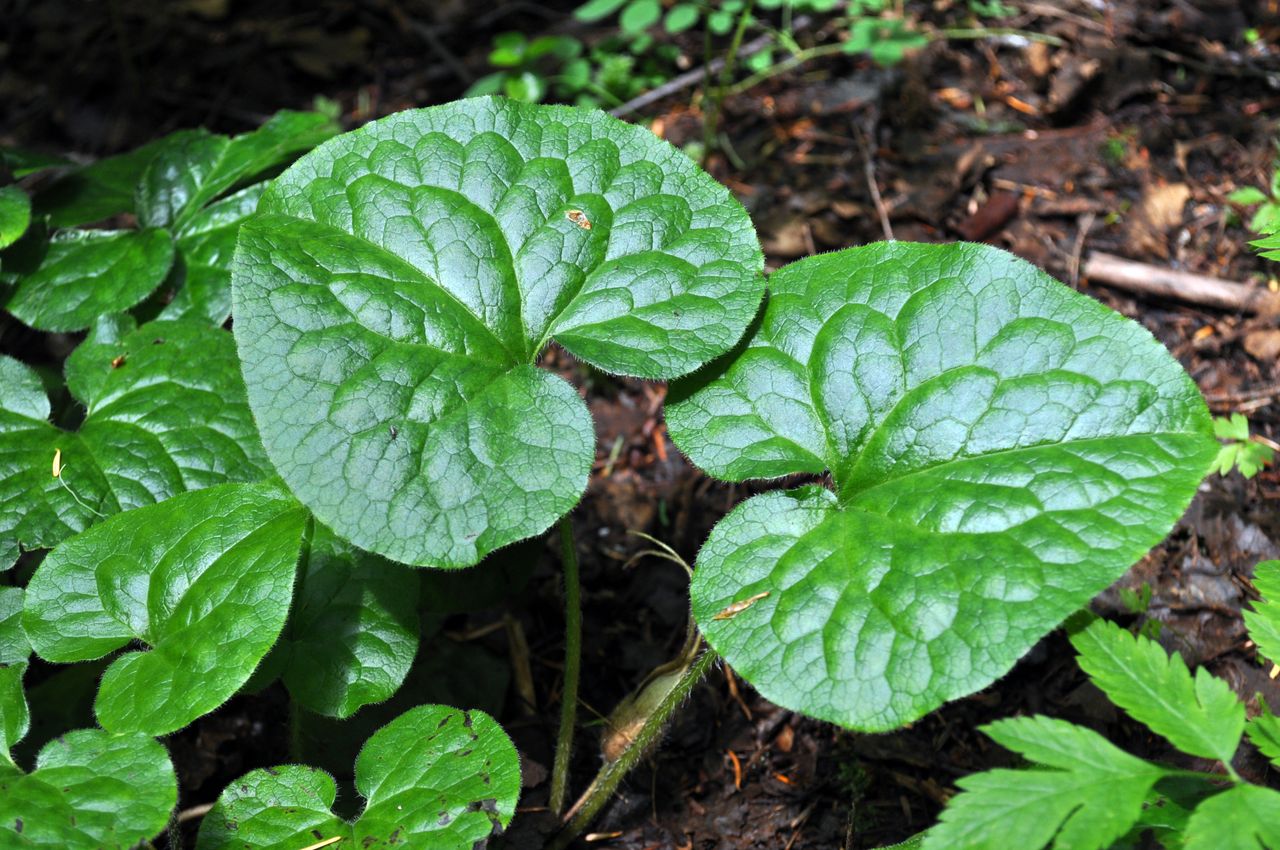
Wild ginger is a favorite among native plant enthusiasts. Its heart-shaped or arrow-shaped leaves are often heavily mottled with light green or silver variegation. It is resistant to deer and rabbit browsing and spreads slowly under ideal conditions.
5. Evergreen Solomon’s Seal
Botanical Name: Disporopsis pernyi
Sun Exposure: Partial to full shade
Soil Type: Moist, well-draining, organically rich
Soil pH: Acidic to alkaline (5.5-8.0)
USDA Plant Hardiness Zone: 6 to 9
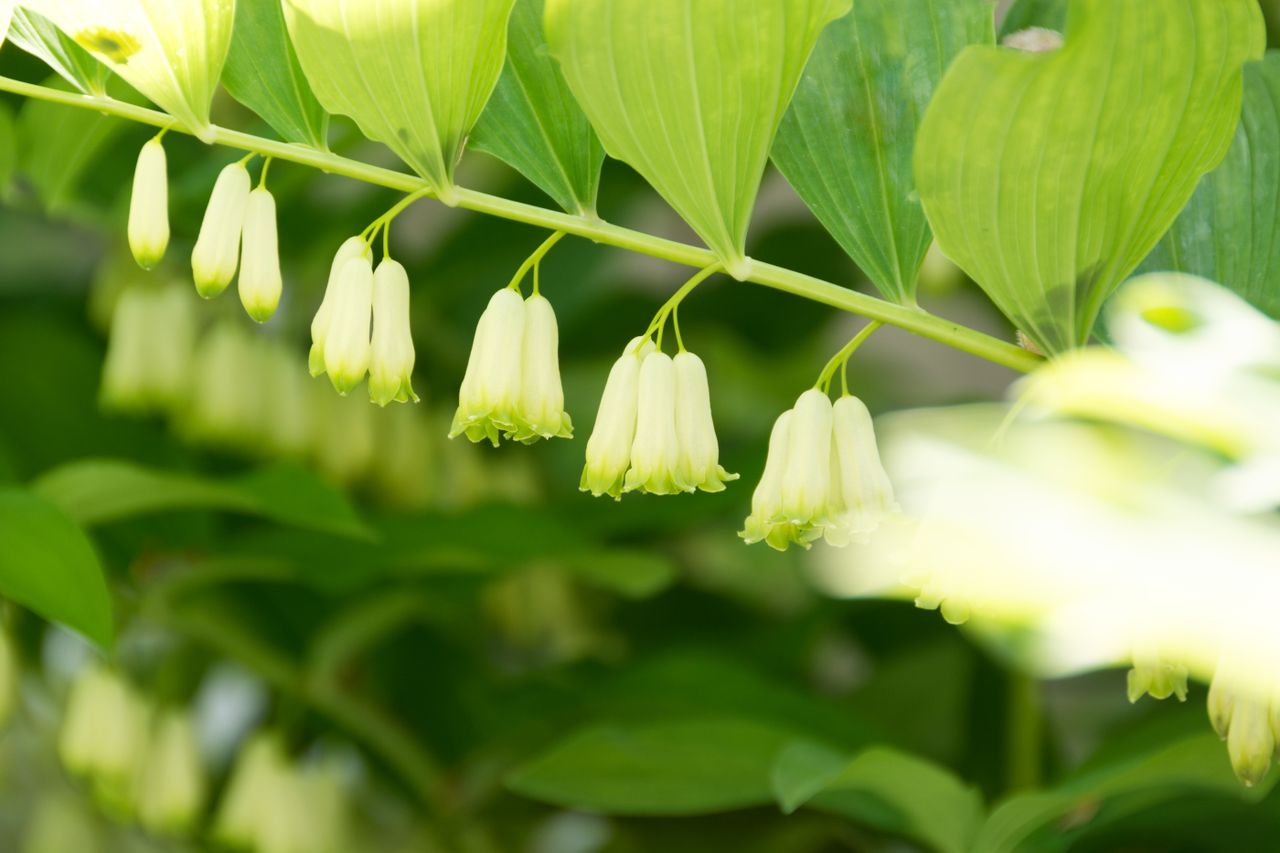
This shade-loving perennial hails from China and features shiny, dark evergreen foliage on strong, arching stems mottled with purple flecks. It thrives in heavy shade and spreads slowly by rhizome to form dense clumps.
6. Leucothoe
Botanical Name: Leucothoe spp. and cultivars
Sun Exposure: Part sun to shade
Soil Type: Rich, moist, well-draining
Soil pH: Acidic (4.5-6.5)
USDA Plant Hardiness Zone: 4 to 9
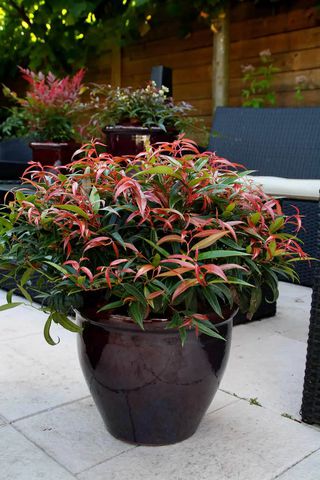
Leucothoe is a versatile eastern native that has been bred into compact varieties suitable for ground covers and border plantings. Some varieties feature variegated foliage, colorful new growth, or striking winter foliage. These acid-loving plants pair well with azaleas, rhododendrons, ferns, and other woodland favorites.
7. Partridgeberry
Botanical Name: Mitchella repens
Sun Exposure: Partial to full shade
Soil Type: Rich, medium, well-draining
Soil pH: Acidic (4.5-6.5)
USDA Plant Hardiness Zone: 3 to 8
Partridgeberry is a low-growing native ground cover that produces glossy, rounded foliage and fragrant early summer blooms. Bright red berries ripen in late summer, giving it the common name twinberry. It is adaptable and tolerates deer, dry soil, and heavy shade.

8. Epimedium
Botanical Name: Epimedium spp. and hybrids
Sun Exposure: Dappled sun; full to part shade
Soil Type: Average, dry to medium, well-draining
Soil pH: Acidic to neutral (5.0-7.0)
USDA Hardiness Zones: 5 to 8
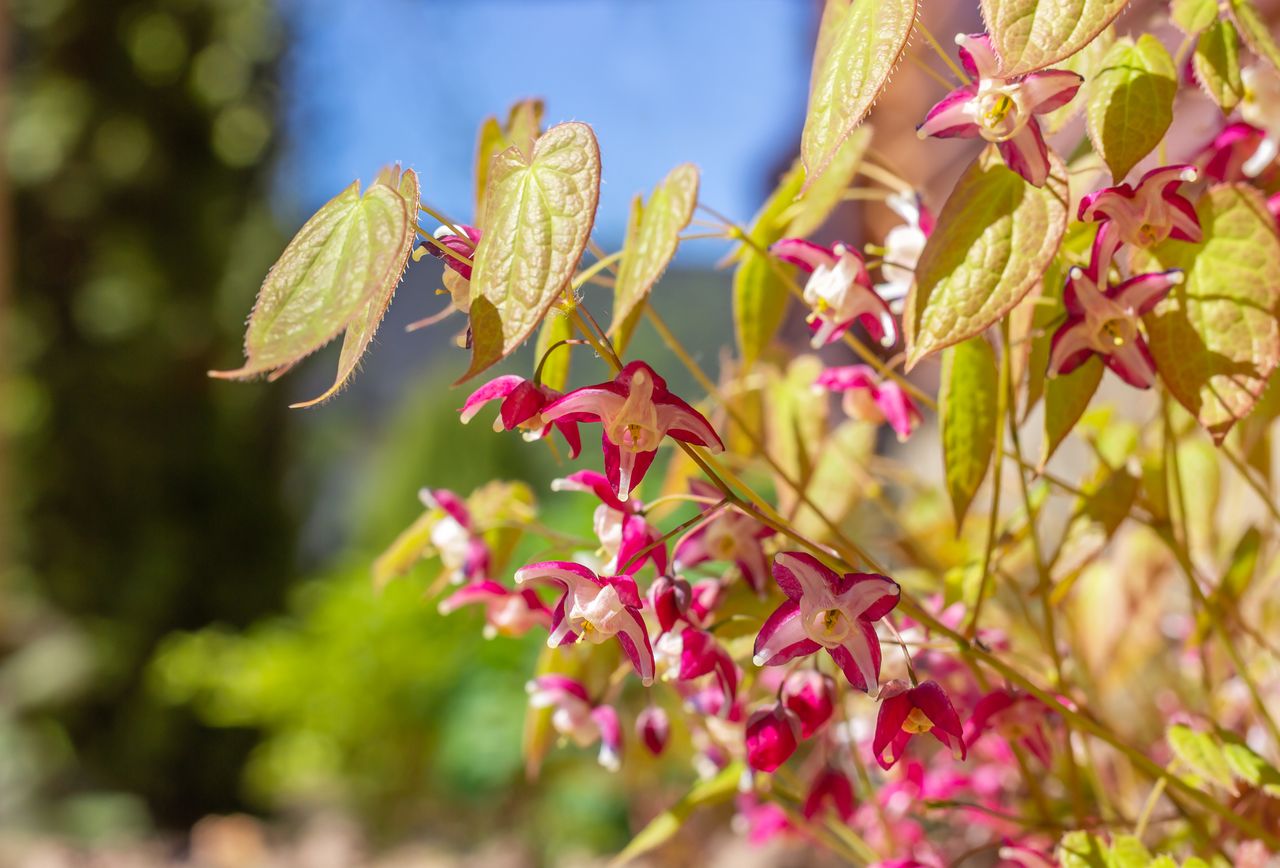
Epimedium species are tough shade-tolerant ground covers. Varieties like Bishop's hat (Epimedium sempervirens) and fairy wings (Epimedium x perralchicum) are evergreen and thrive in dry soil. They tolerate heavy shade, drought, and deer, and have a spreading habit with good fall color.
9. Candytuft
Botanical Name: Iberis sempervirens
Sun Exposure: Full sun
Soil Type: Medium, well-draining
Soil pH: Neutral to alkaline (6.5-8.5)
USDA Hardiness Zones: 3 to 8
Candytuft produces a flush of spring blooms that nearly cover the plant in dense white flower clusters. It is evergreen in warm Southern climates but loses its foliage in colder regions. It requires good drainage for winter survival and is moderately salt tolerant, making it ideal for coastal landscapes.

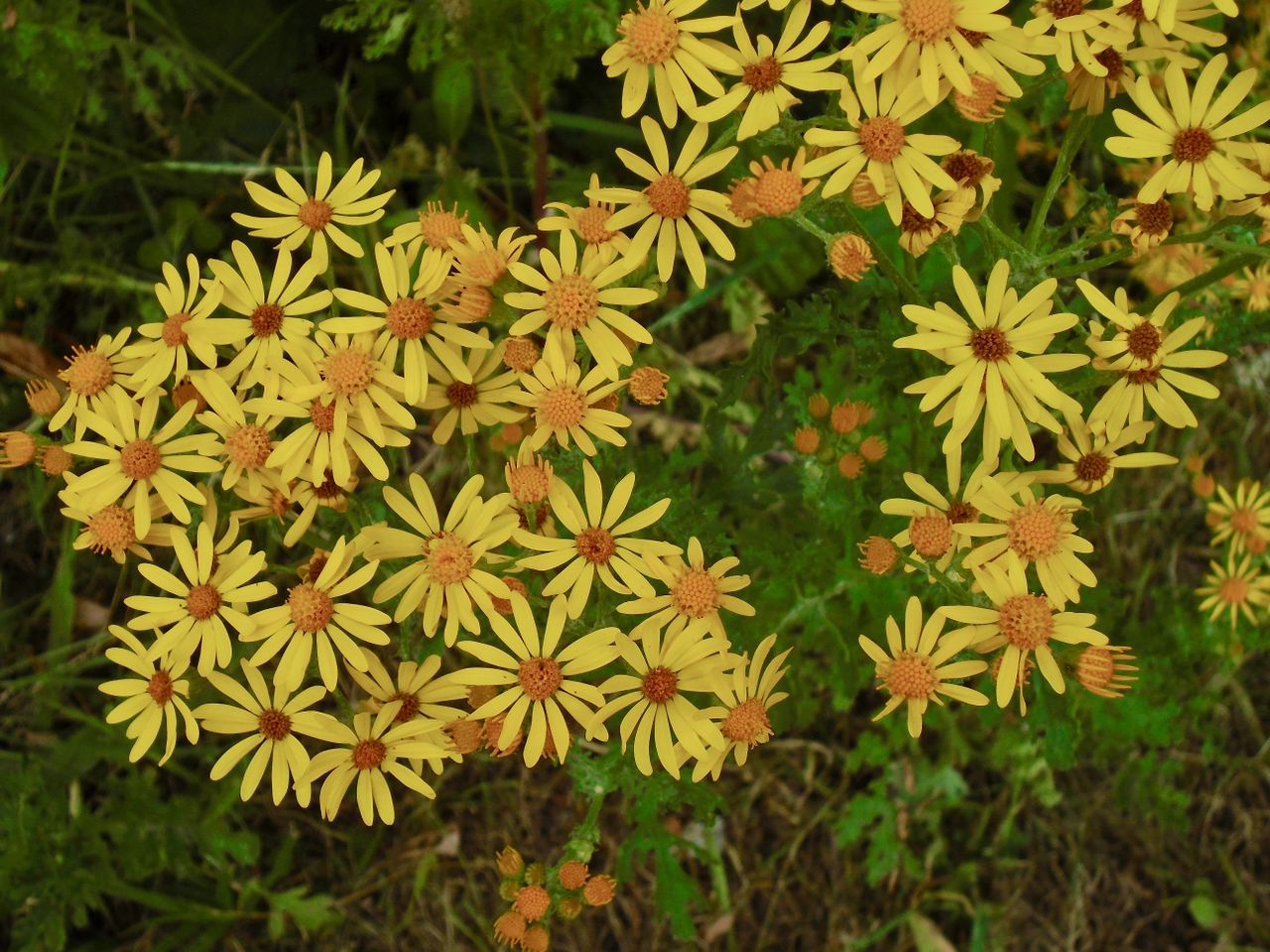
10. Golden Ragwort
Botanical Name: Packera aurea
Sun Exposure: Full sun to part shade
Soil Type: Average, medium to wet
Soil pH: Acidic to alkaline (5.5-8.0)
USDA Hardiness Zones: 3 to 8
Golden ragwort brightens the garden in spring with clusters of bright yellow blooms above heart-shaped leaves. Its basal foliage remains evergreen in warmer climates and serves as a larval food source for the northern metalmark butterfly. It makes a lush ground cover in woodland gardens, rain gardens, and borders, and is useful for stabilizing streambanks and pond edges.
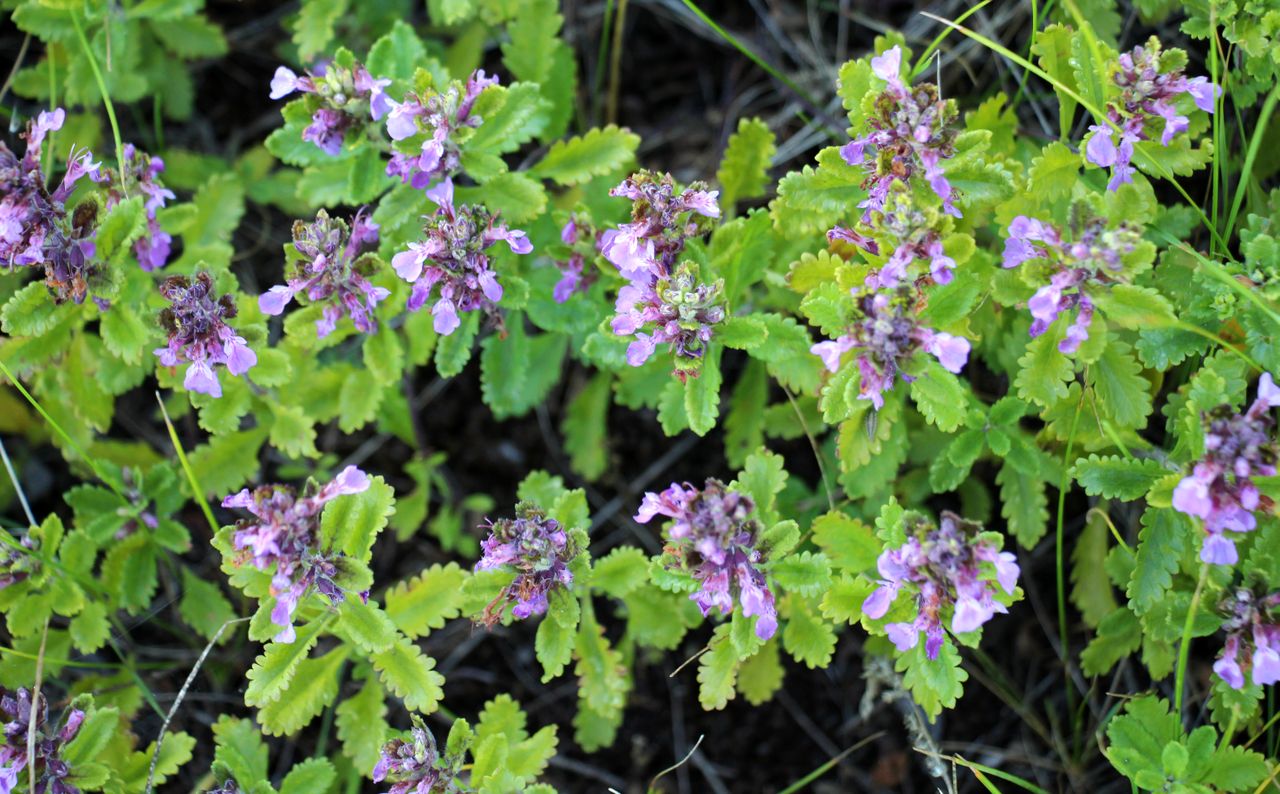
11. Wall Germander
Botanical Name: Teucrium chamaedrys
Sun Exposure: Full sun
Soil Type: Average, dry to medium, well-draining
Soil pH: Neutral to alkaline (6.5-8.0+)
USDA Hardiness Zones: 5 to 9
Wall germander is a low-growing woody perennial often sheared into formal designs in knot gardens. It can also be left unclipped as an informal ground cover. Its fragrant foliage is topped by whorls of pink to purple blooms that attract bees and butterflies.
12. Creeping Raspberry
Botanical Name: Rubus rolfei
Sun Exposure: Full sun to part shade
Soil Type: Dry to medium, well-draining
Soil pH: Acidic to alkaline (6.0-8.0)
USDA Hardiness Zones: 6 to 9
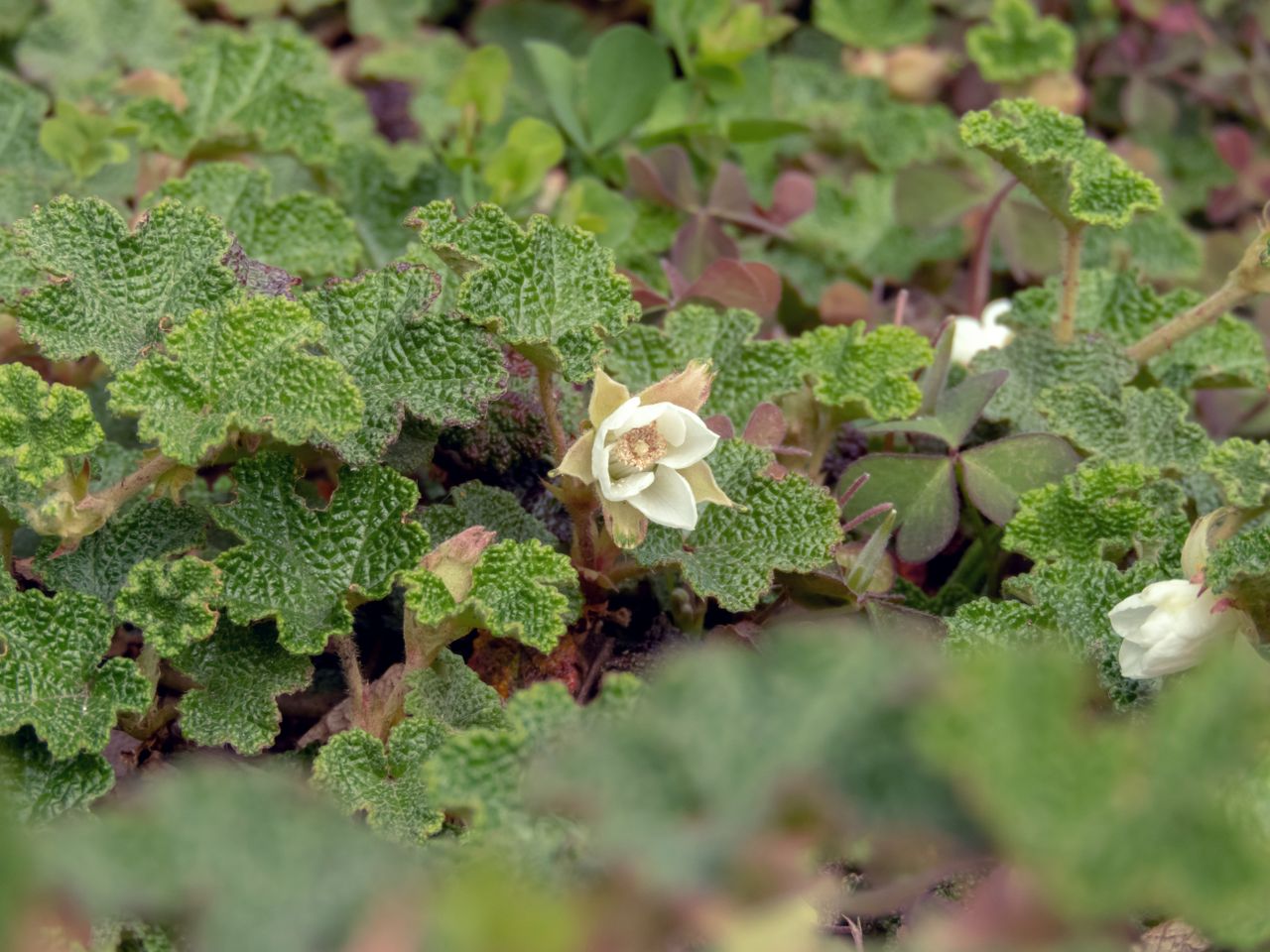
Creeping raspberry adds interesting texture to the ground plane throughout the year. Its wrinkled foliage takes on rusty pink to burgundy hues in fall and winter. It develops long, scrambling stems that spill over rock walls or container edges. This aggressive grower is useful in challenging areas such as hot dry sites, slopes, and areas with fluctuating soil moisture. Provide afternoon shade in hot climates.