12 Birth Month Succulents
Stuck for gifting ideas? There's a perfect solution that promises to charm with a personal touch: birth month succulents. These plants are not only unique but also carry meaning, making them an ideal choice for indoor gardening. Each month of the year has a specific succulent associated with it, offering a meaningful way to connect with nature and celebrate special occasions.
Here is a curated list of 12 birth month succulents, each with its own characteristics and care tips. Whether you're looking to add a new plant to your collection or find the perfect gift, these succulents offer a blend of beauty and symbolism.
January – Cooper’s Ice Plant
Cooper’s ice plant, or Delosperma cooperi, is a cold-hardy succulent native to South Africa. It thrives in zones 5 to 9 and is known for its vibrant magenta blooms from spring to fall. This succulent is a great choice for winter gardens, as it can withstand low temperatures at night.

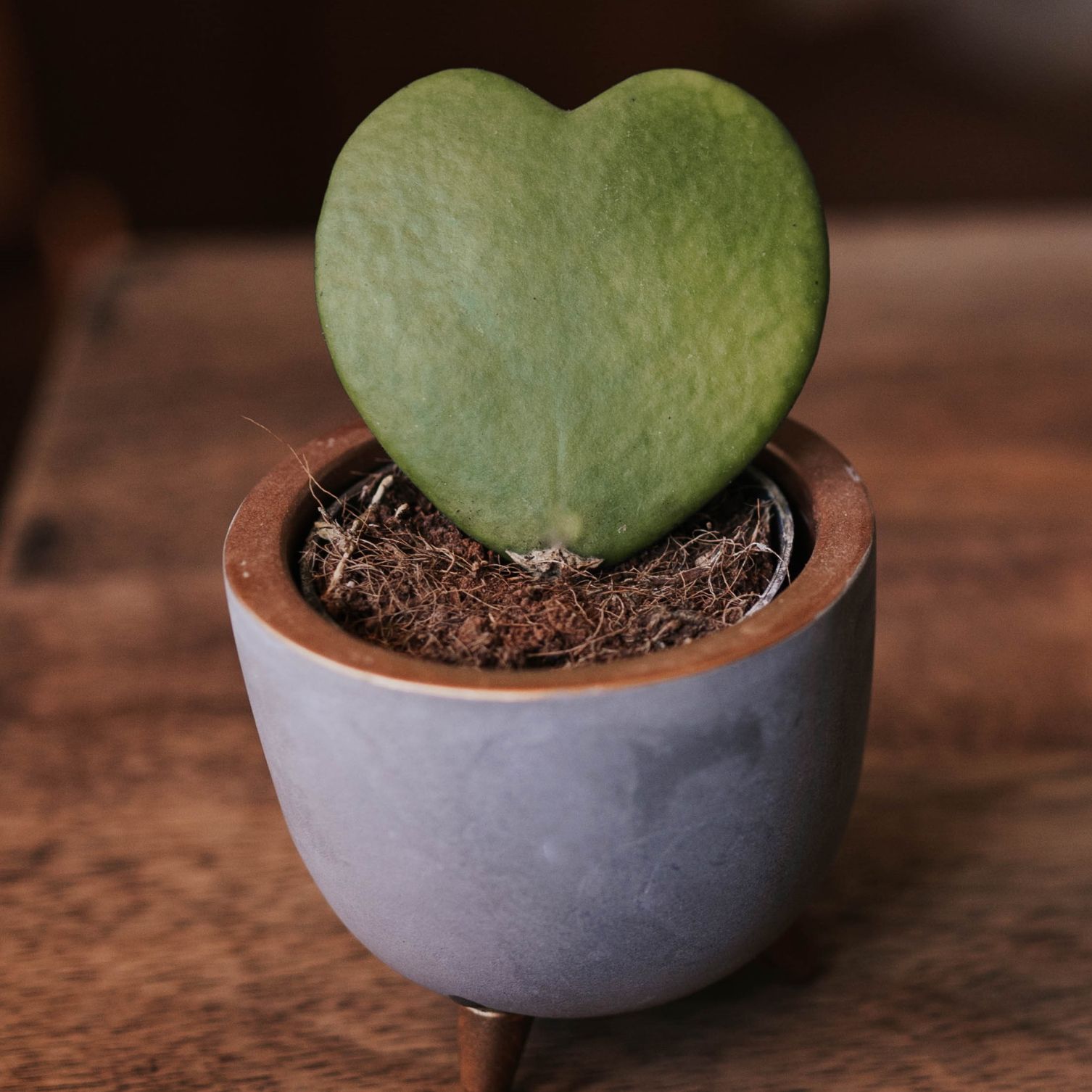
February – Sweetheart Hoya
February is the month of love, and the sweetheart hoya is the perfect succulent to reflect that. With heart-shaped leaves, this plant is charming to gift and can grow into a trailing vine over time. Its unique appearance makes it a standout addition to any indoor space.
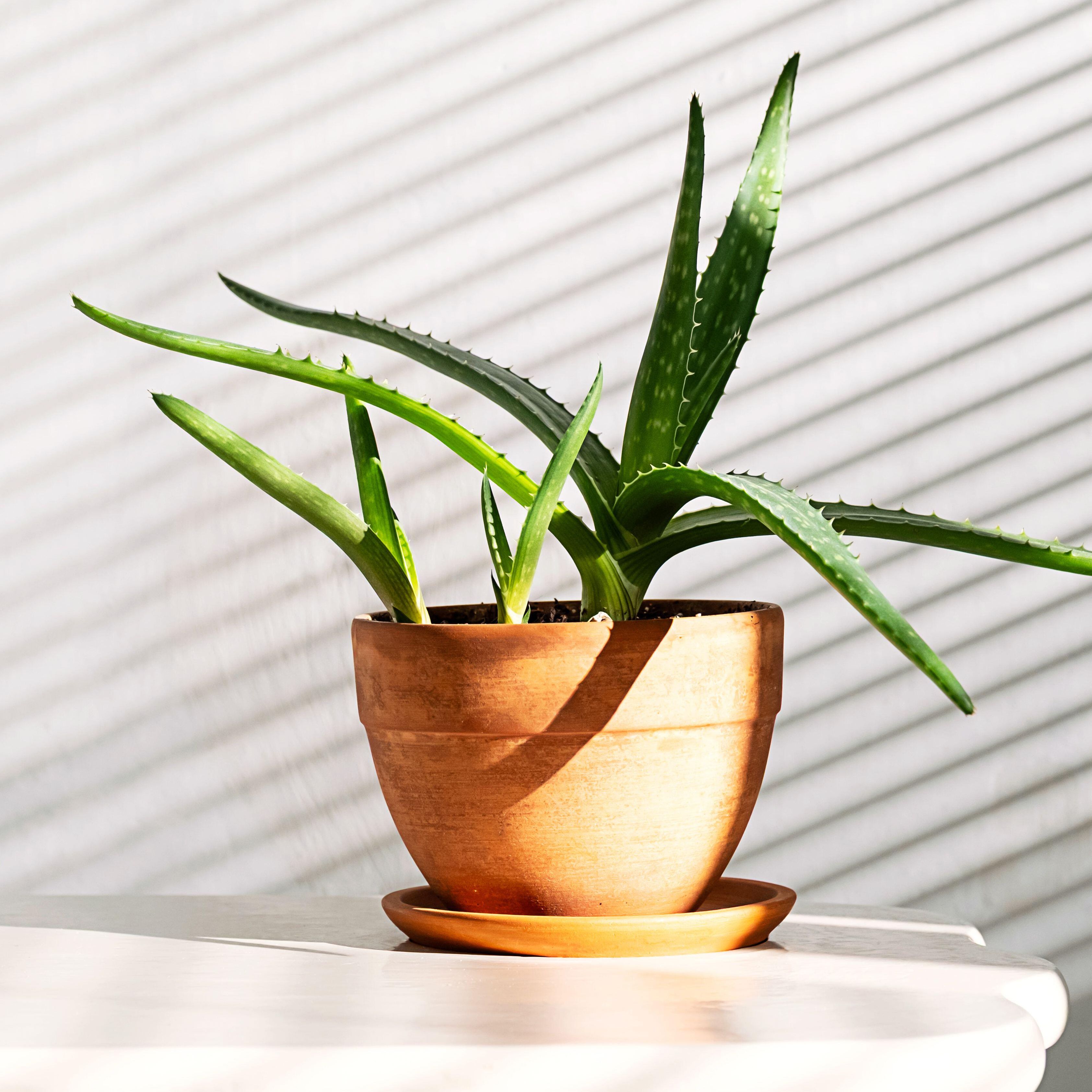
March – Aloe Vera
Aloe vera is a versatile and symbolic succulent. In March, it starts to awaken from winter dormancy, making it a great time to plant. Known for its healing properties, aloe vera is also a symbol of renewal and growth. Place it in a sunny spot to encourage new leaf growth.
April – Flowering Kalanchoe
Flowering kalanchoes are some of the most colorful indoor succulents, blooming in shades of red, orange, and white. They thrive in sunny conditions and bring a burst of color to interiors during the spring months. Their waxy leaves and vibrant flowers make them a popular choice for indoor gardening.

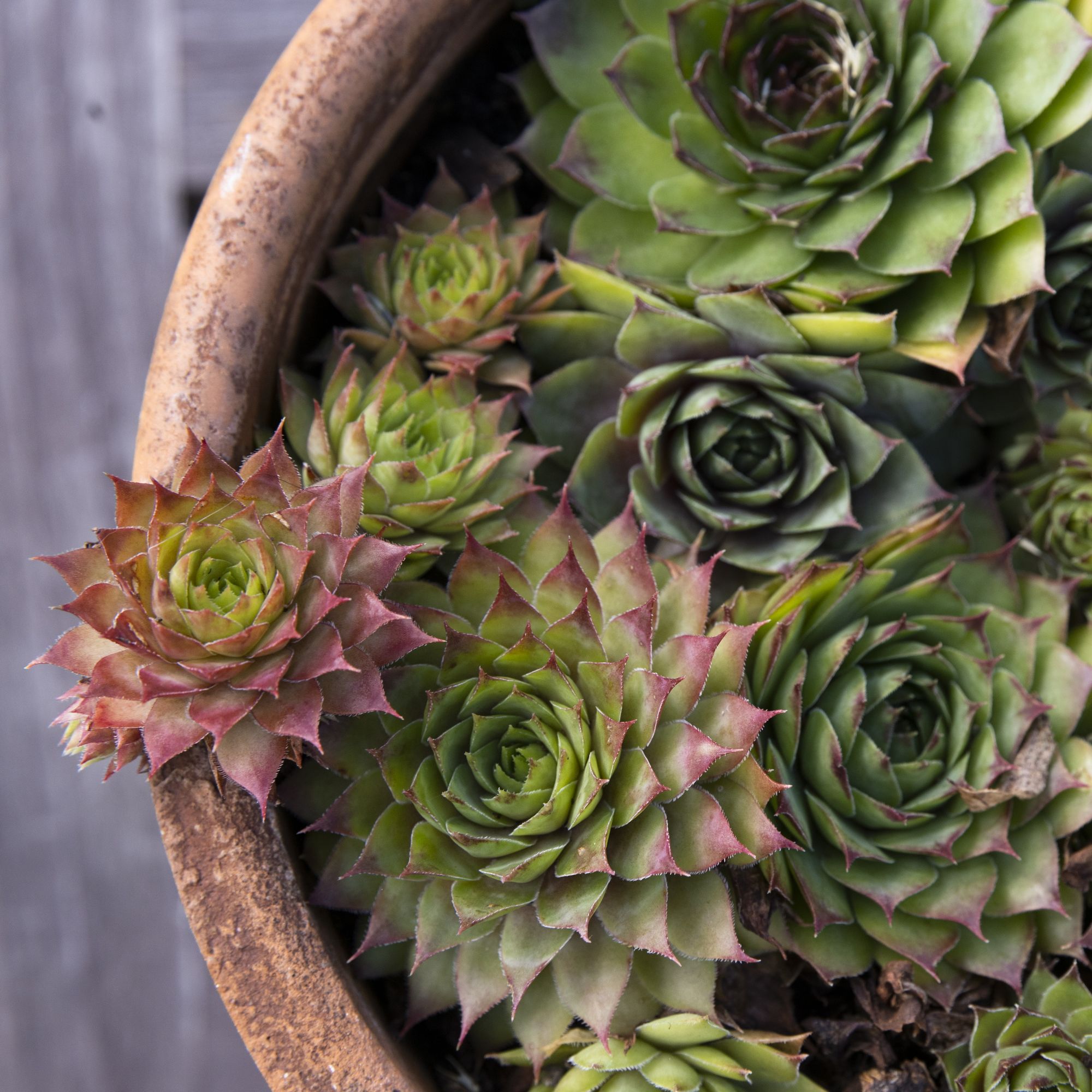
May – Hens and Chicks
Hens and chicks, or Sempervivum, are rosette-forming succulents that produce baby plants called "chicks." These plants are easy to propagate and add visual interest to any garden. They thrive in warm conditions and are particularly striking during the summer months.
June – Echeveria
Echeveria is a family of rosette-forming succulents known for their soft, rounded leaves. These plants are easy to care for and can tolerate drought, though they should not be left in dry soil for too long. Their flower spikes add a touch of elegance to any indoor space.

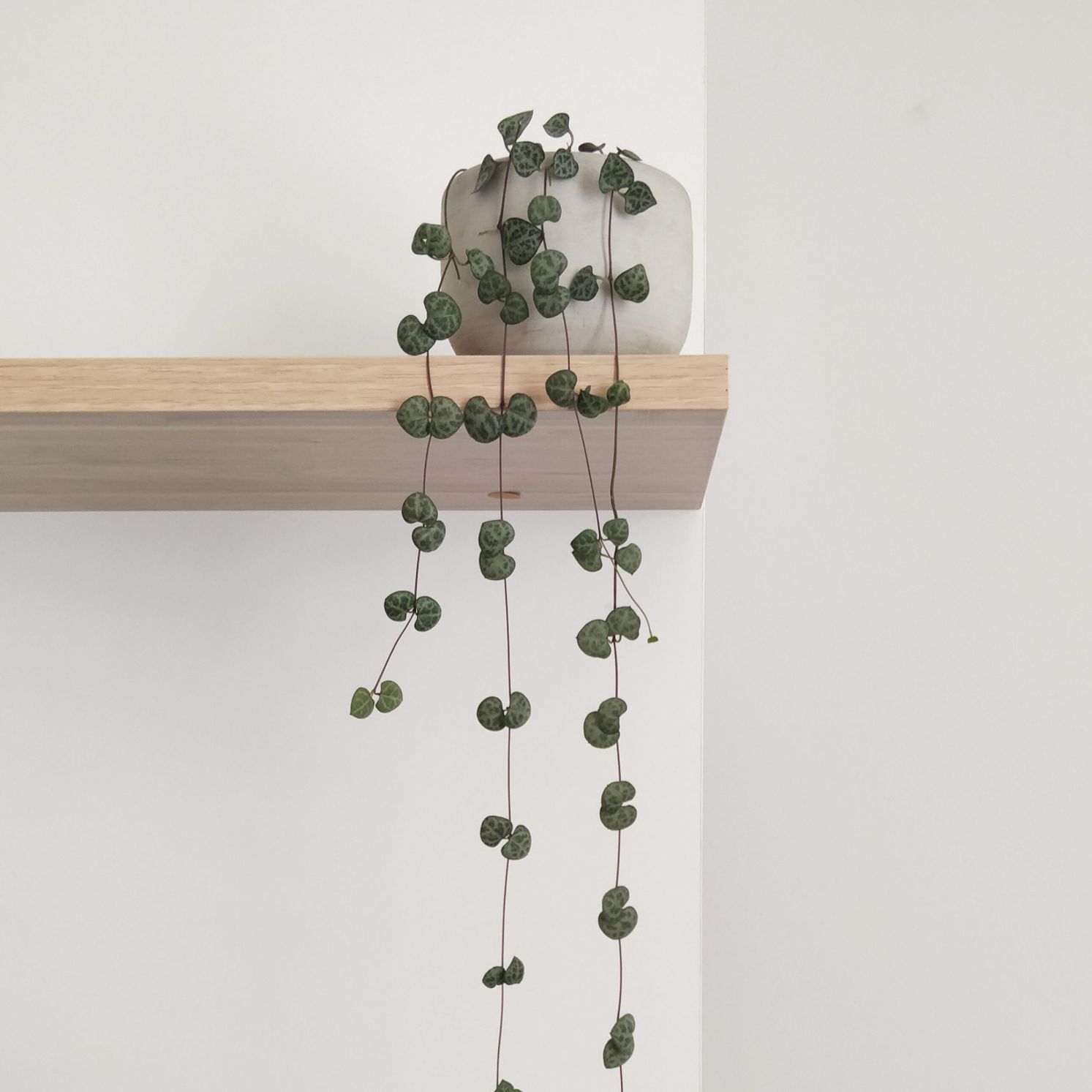
July – String of Hearts
String of hearts (Ceropegia woodii) is a trailing succulent that produces charming white-pink blooms in the summer. The variegated variety is especially striking, with pink tones enhanced by sunlight. This plant is easy to propagate and can be cut to desired lengths for use in different arrangements.
August – Living Stones
Living stones, or Lithops, are unusual houseplants that resemble stones. They enter dormancy in the heat of August, conserving energy and water. These succulents come in a range of colors, including greens, blues, and pinks, making them a unique addition to any collection.

September – Jade Plant
The jade plant is a popular Feng Shui plant believed to bring good luck and wealth. It is easy to care for, requiring a sunny position and minimal watering. Over time, it develops a mini trunk, taking on the form of a miniature tree.

October – Haworthia 'White Ghost'
The 'White Ghost' haworthia is a unique succulent with a white striped pattern that can appear translucent in certain light. It requires consistent moisture to prevent leaf drop and is a great choice for those who enjoy unusual houseplants.

November – Thanksgiving Cactus
Thanksgiving cactus is a holiday succulent that blooms around Thanksgiving with pink, red, and orange flowers. It requires specific care, including a period of darkness to encourage blooming. Its spiked leaf segments help distinguish it from other similar plants.

December – Christmas Cactus
Christmas cactus is the perfect succulent for the holiday season, blooming with red, orange, pink, and yellow flowers. Unlike the Thanksgiving cactus, it has rounded, scalloped leaves. Proper care, including a period of darkness, is essential to ensure it blooms on time.

FAQs
Can you grow succulent houseplants outdoors?
Yes, many succulents can be grown outdoors, depending on the type and your location. Research the specific needs of your succulent before planting it outside. Some may thrive in summer and be brought back indoors in winter.
Stylish Succulent Accessories
To enhance your succulent experience, consider these accessories:
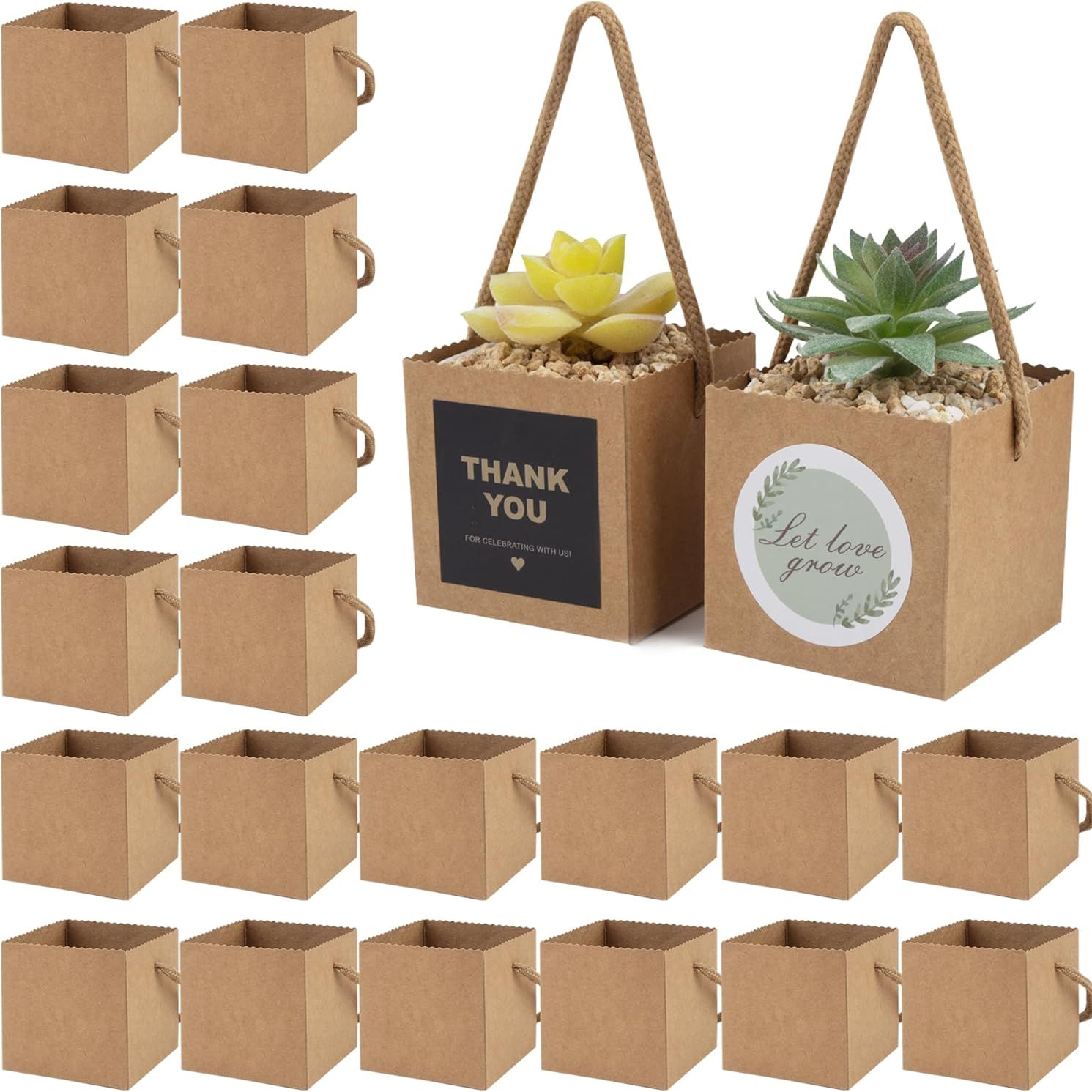
- Succulent Gift Bags – These bags keep succulents safe during transit and come with decorative stickers for a personalized touch.
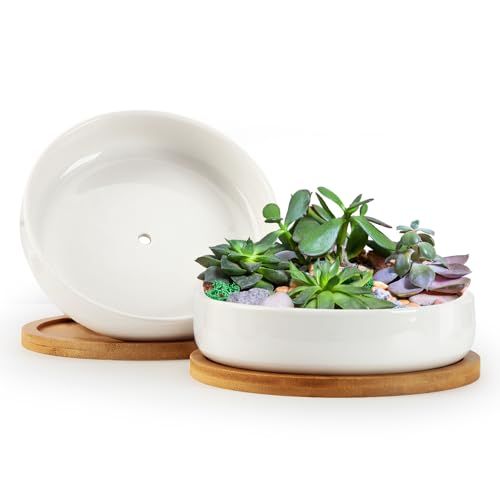
- Succulent Planter – A shallow planter with drainage holes is ideal for succulents and cacti, preventing overwatering.
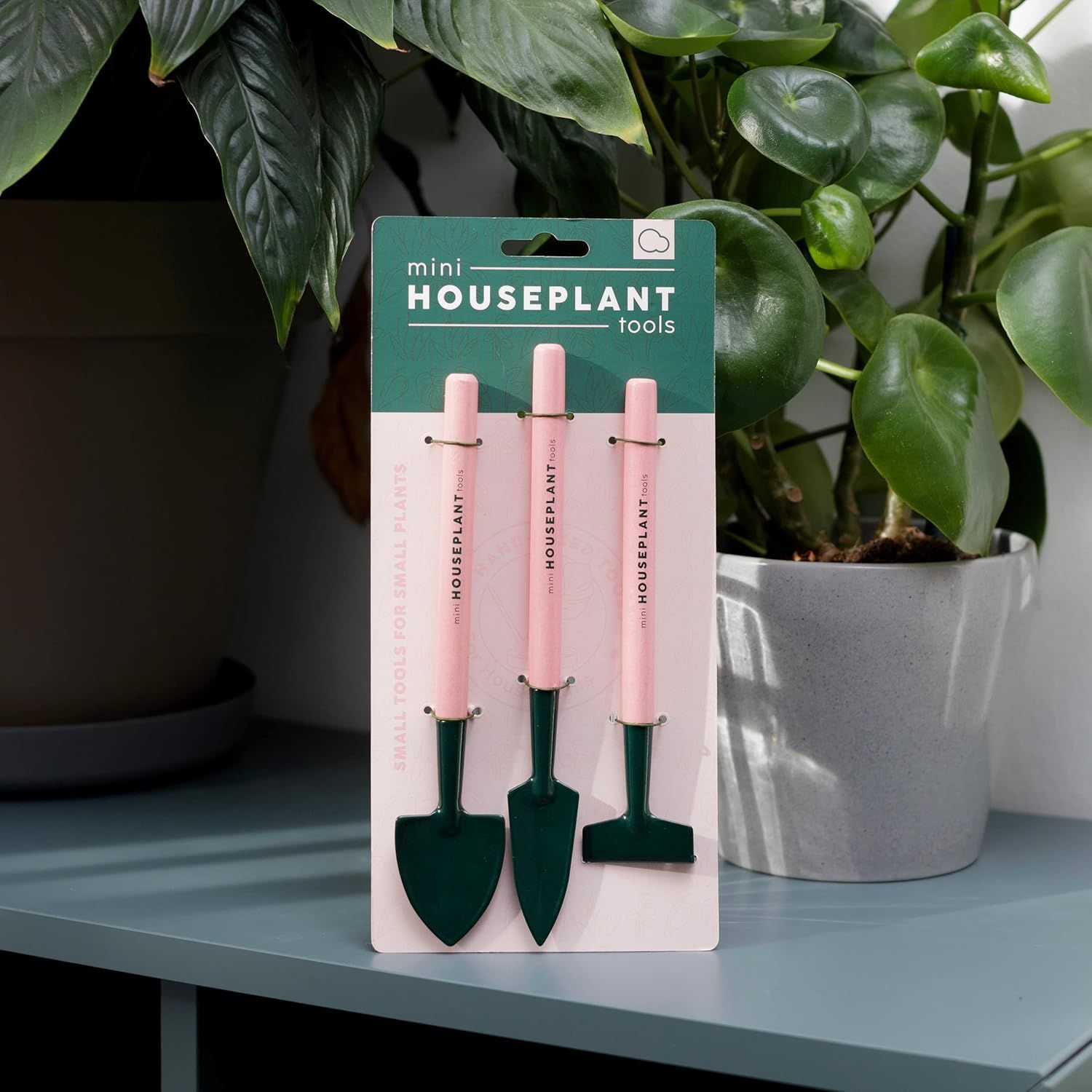
- Mini Houseplant Tools – A tool kit with trowels and a rake helps with repotting and aerating soil.