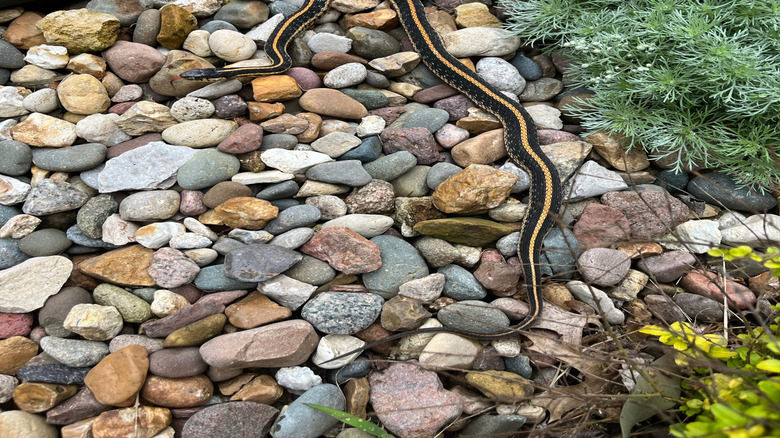
Have you ever heard someone call a deceptive person a "snake in the grass"? This idiom has been around for centuries, and while its exact origins are unclear, its meaning is still widely understood today. Snakes do have a natural tendency to hide in tall grass, as it provides them with protection from predators. Because of this, many people assume that keeping your yard well-maintained would prevent snakes from taking up residence. However, the reality is more complex than that.
Short or trimmed ornamental grasses can actually attract insects, which in turn become food for snakes and other reptiles. If your goal is to keep snakes away, it's worth reconsidering some popular ground cover plants like creeping juniper, clover, blue fescue, and others. These plants may seem harmless, but they can create the perfect environment for snakes to thrive.
It's important to note that not all snakes found in gardens are venomous. In fact, most avoid human interaction and prefer to stay hidden in dense vegetation. If you choose to plant any type of ground cover, regular maintenance is key. Pruning, mowing, and dividing the plants can help prevent them from becoming a haven for both snakes and their prey. Additionally, removing piles of old timber, branches, and leaves from areas with dense ground cover is crucial, as these spots can provide shelter for snakes.
When working in the garden, always wear closed-toe shoes and gloves to protect yourself in case of an unexpected encounter with a snake.
Plants That May Attract Snakes
Buffalo Grass
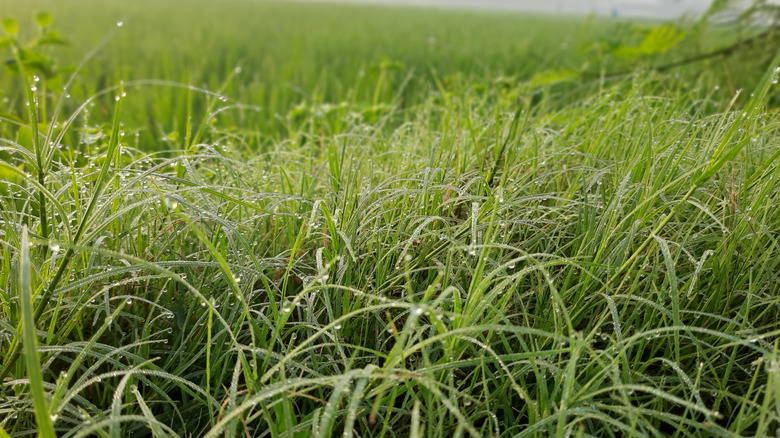
Buffalo grass (Bouteloua dactyloides) is a drought-tolerant ground cover that many gardeners favor. However, if left untrimmed, it can grow up to 12 inches tall, creating the perfect hiding spot for snakes. The open canopy also allows weeds to invade, making the area even more attractive to reptiles.
Clover
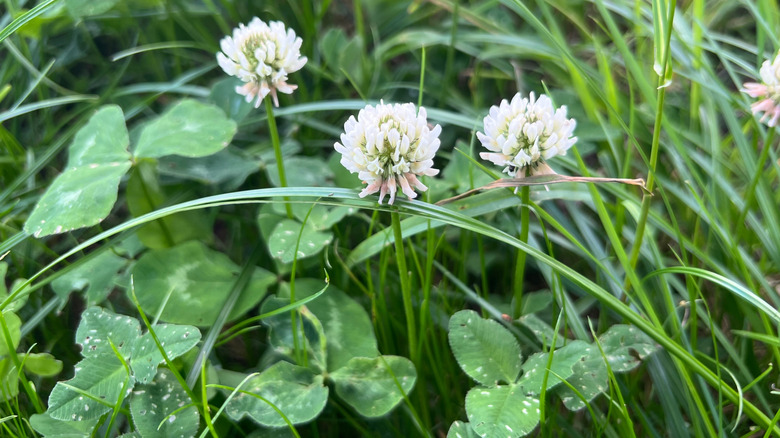
Clover (Trifolium repens) is a fast-growing alternative to traditional turf grass. While it offers a lush appearance, its dense mats can provide shelter for snakes and the insects they feed on. Clover thrives in cool, moist soil, which is also a preference for many types of snakes.
Japanese Spurge
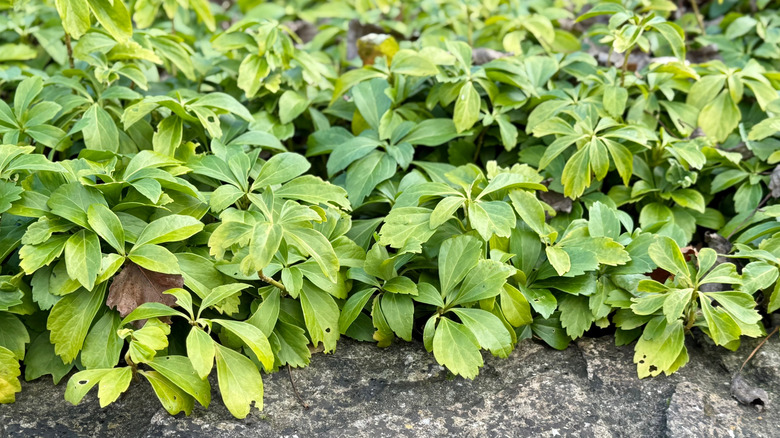
Japanese spurge (Pachysandra terminalis) is an attractive, evergreen ground cover. However, its thick blanket of foliage can harbor snakes looking for protection. It grows best in shaded areas, which is where snakes often retreat to regulate their body temperature.
Creeping Juniper
Creeping juniper (Juniperus horizontalis) is a hardy shrub that forms a dense mat, offering shelter to snakes. The plant also attracts insects like caterpillars, which serve as a food source for snakes.

English Ivy
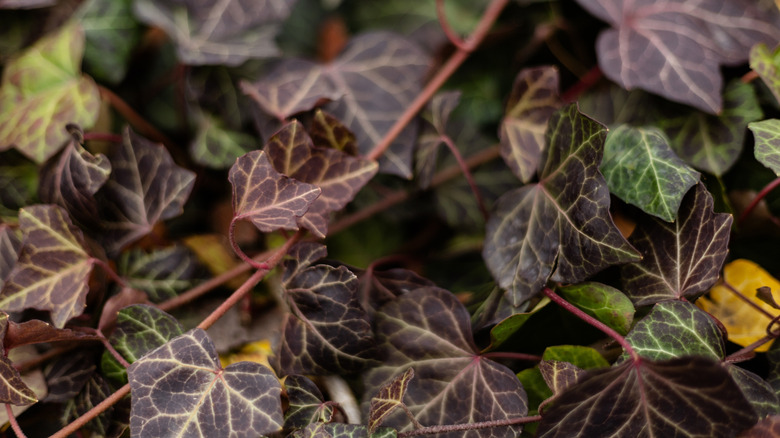
English ivy (Hedera helix) is an invasive vine that can be difficult to remove once established. Its dense foliage provides cover for snakes and their prey. It prefers shady areas, which makes it an ideal habitat for reptiles.
Blue Fescue
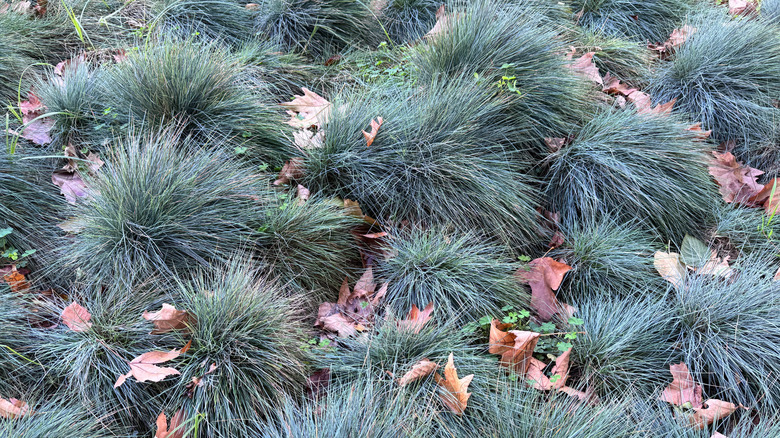
Blue fescue (Festuca glauca) is an ornamental grass that can reach heights of 1 to 2 feet. When used as a ground cover, the tall blades can offer shelter to snakes. To reduce the risk, it's recommended to cut the plants down to 3 to 4 inches in the spring.
Bugleweed
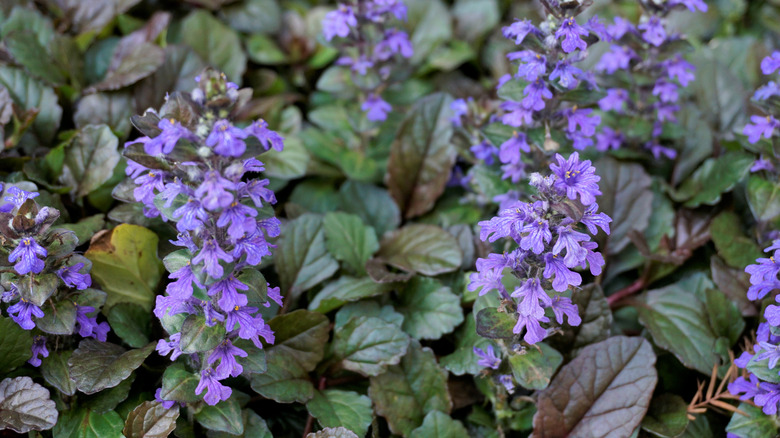
Bugleweed (Ajuga reptans) is a tough evergreen that produces pretty purple blooms. However, its dense growth can create an ideal environment for snakes. It's also classified as invasive in many states, where it threatens native vegetation.
Little Bluestem
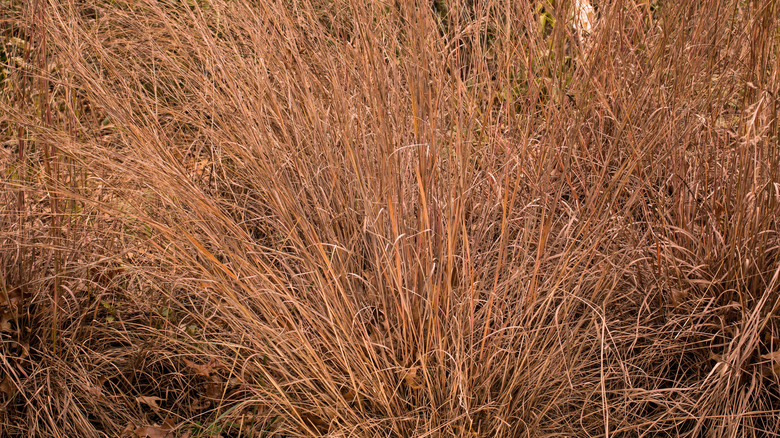
Little bluestem (Schizachyrium scoparium) is a tall grass that supports a variety of wildlife, including insects and small mammals. This activity can attract snakes, especially those that feed on mice.
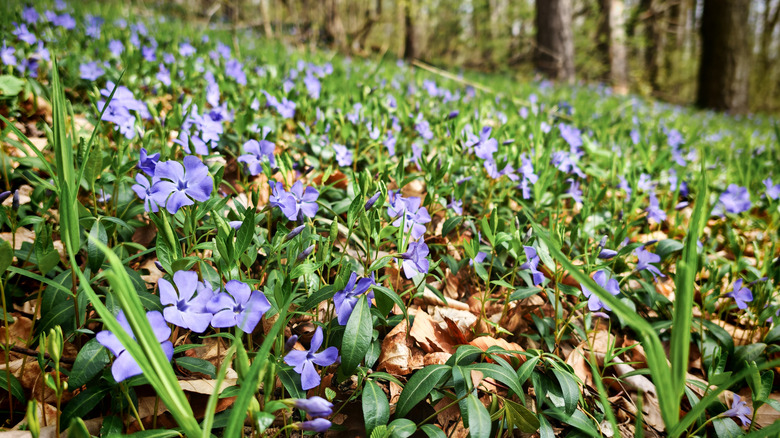
Periwinkle
Periwinkle (Vinca minor) is a popular ground cover due to its colorful flowers. However, its rapid growth can create dense mats that snakes use for cover. It's also considered invasive in many regions.
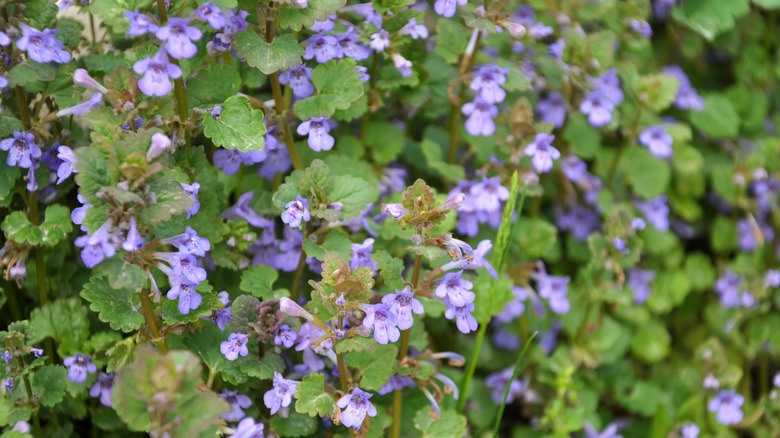
Ground Ivy
Ground ivy (Glechoma hederacea), also known as creeping Charlie, spreads quickly and creates a thick mat. This growth habit can attract snakes, especially if it's allowed to take over your lawn.
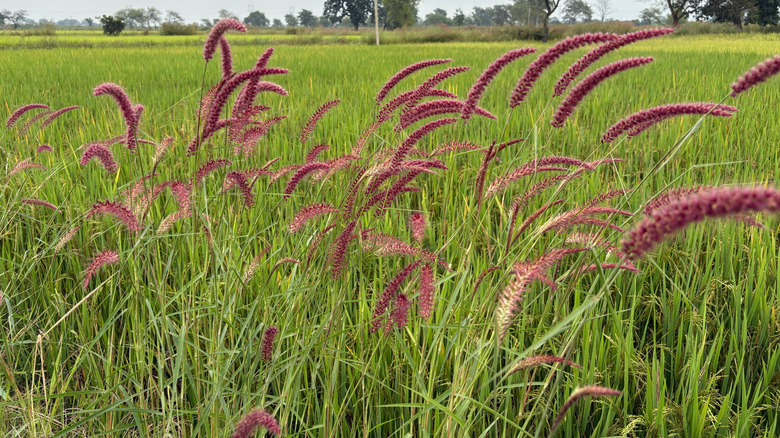
Fountain Grass
Fountain grass (Cenchrus setaceus) can grow up to 5 feet tall, providing shelter for snakes. In some regions, it's considered invasive and should be avoided.
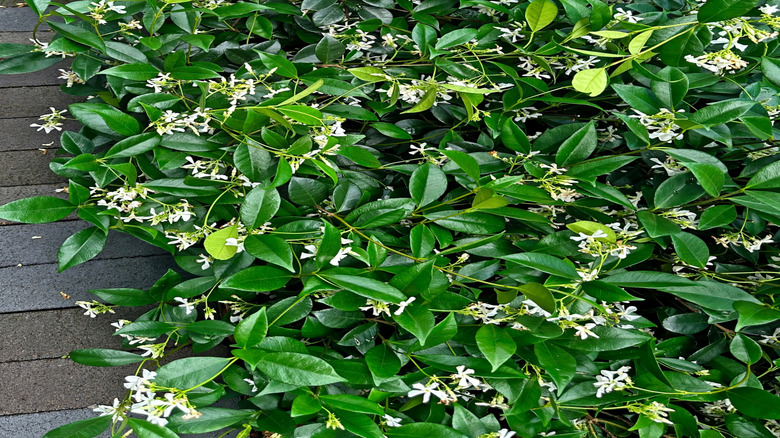
Star Jasmine
Star jasmine (Trachelospermum jasminoides) is a flowering evergreen that sprawls across garden beds. Its trailing growth can provide snakes with a safe place to hide and cool off.
Maiden Grass
Maiden grass (Miscanthus sinensis) is an ornamental grass that can become very dense, offering shelter to snakes. Some varieties are considered invasive, so it's important to choose non-invasive cultivars and prune regularly.

If you're concerned about snakes in your garden, consider replacing some of these plants with alternatives that are less likely to attract them. Regular maintenance and careful plant selection can go a long way in keeping your yard snake-free.