The Importance of Vacuum Maintenance
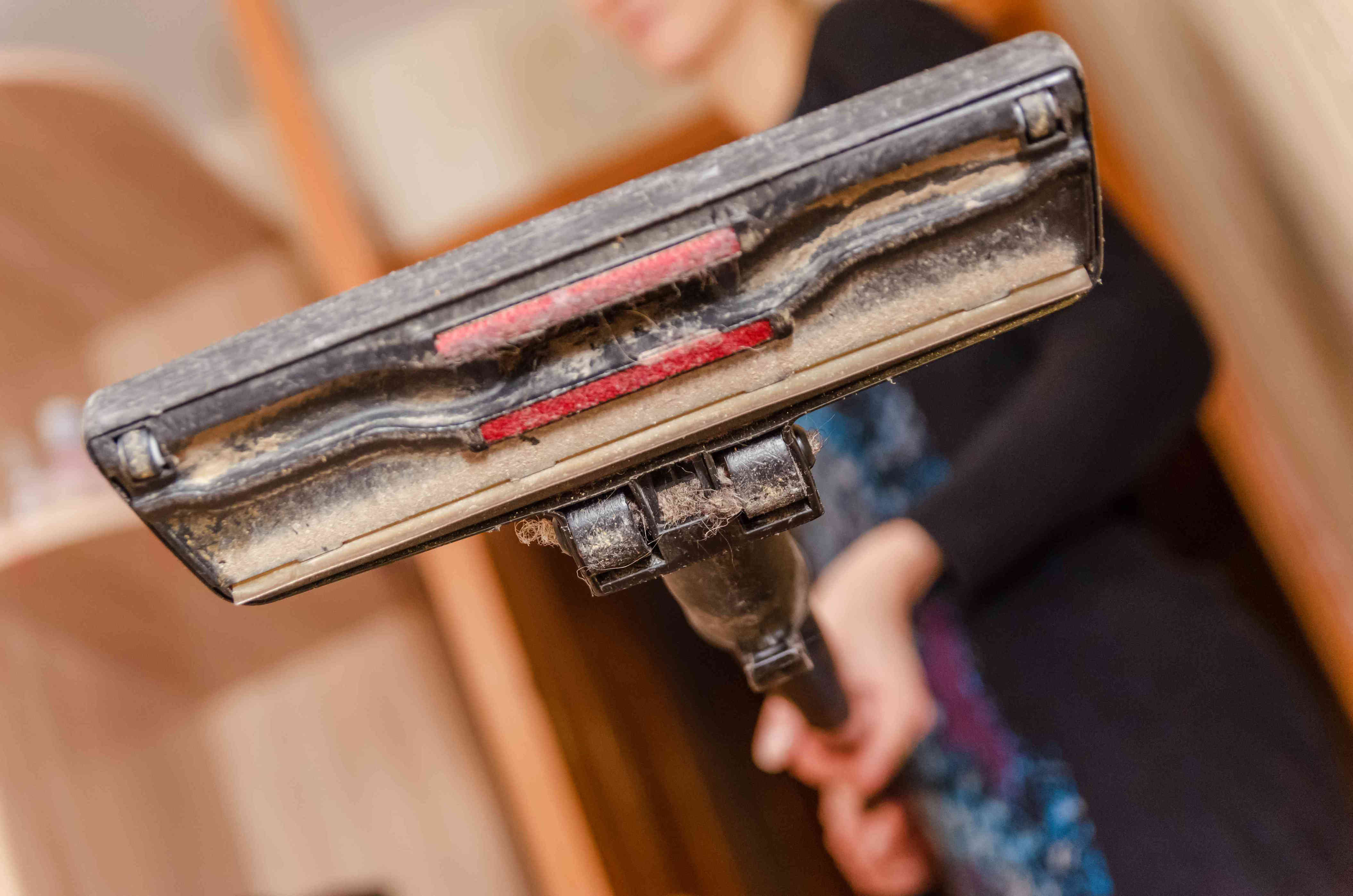
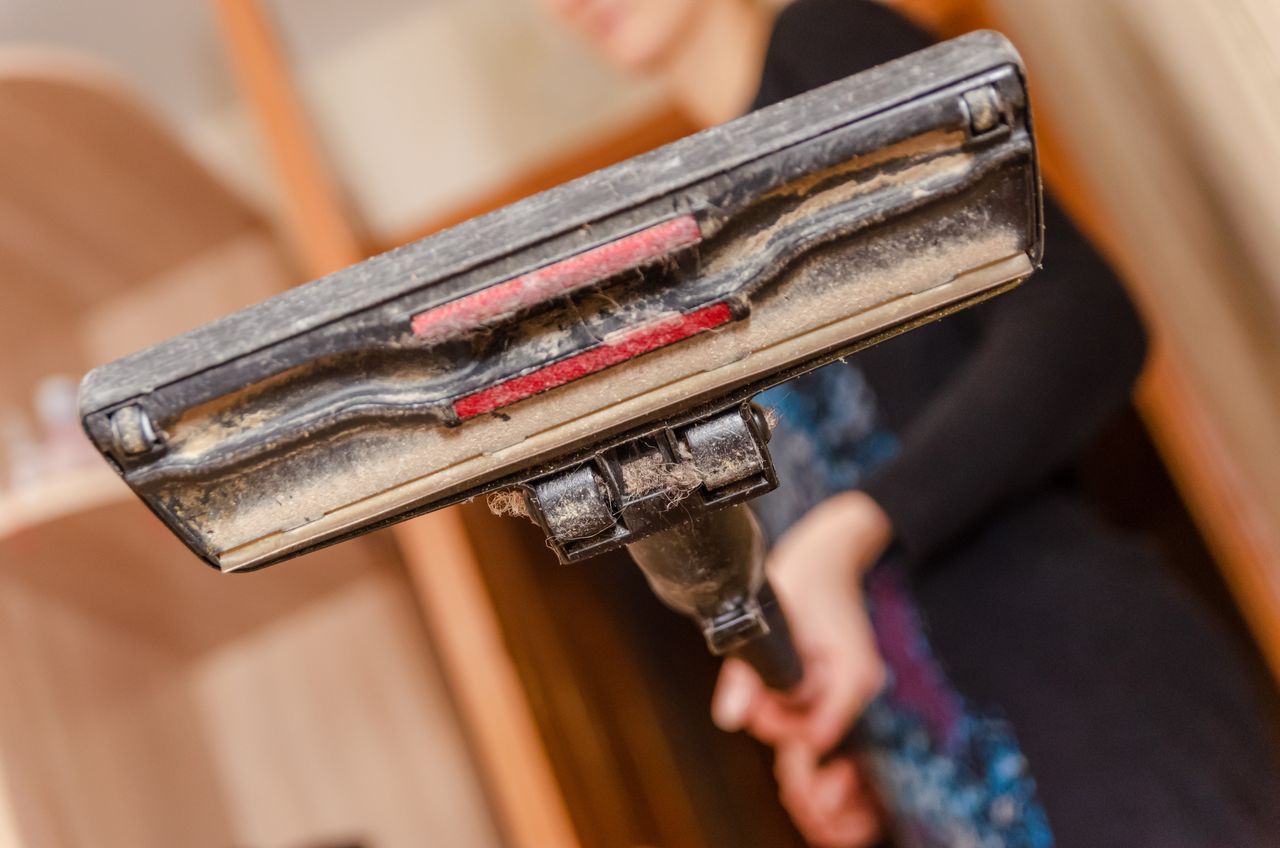
As if cleaning your home weren’t enough of a never-ending cycle, the devices and appliances you use also need some housekeeping. Your vacuum in particular requires some attention if you expect it to maintain its suction power. After all, a vacuum clogged with dust, dirt, and debris is of no help when it comes to clearing floors of additional dust, dirt, and debris. You might have a top-notch HEPA filter assisting your work, but even that can only work its magic of removing allergens from the air if it’s clean. Same goes for that handy brush roll—if there’s enough hair stuck to it to make a wig, you know it’s time to clean your vacuum.
With a little bit of patience and the right cleaning materials on hand, it’s not such a chore to clean your vacuum. Here’s how it’s done.
What You’ll Need
- Soft brush or cloth
- Mild detergent or cleaning solution
- Water
- Replacement filters (if applicable)
- Replacement bag (if applicable)
Why Cleaning A Vacuum Is Important
Whether it’s a washing machine, an AC unit, or a vacuum cleaner, home appliances always work better when they are clean. Dust and allergens are minuscule, but they can add up over time and prevent the various vacuum parts—especially the filter and hoses—from working as they should. So if you want to make quicker work of cleaning your home, make sure your vacuum is in tip-top shape.
Before Getting Started
Always make sure your vacuum cleaner is unplugged before you attempt to take it apart to clean it. If it’s been a while since you’ve emptied your vacuum and you are susceptible to sneezing, take care when dumping out the dust. Wear a mask or even safety glasses if you suspect your vacuum is extra dirty to avoid any irritation.
When you’re ready to clean the vacuum, make sure all your supplies are within reach for convenience, especially if you share your household with others. You don’t want to leave vacuum parts strewn about the floor where curious pets or small humans can mistake them for toys (or food) and hurt themselves.
How To Clean A Vacuum
You’ll be taking apart at least some components of your vacuum, so consult the owner’s manual first to see how to properly disassemble and then reassemble your vacuum. You’ll also want to confirm the proper cleaning method for filters, canisters, and other parts, as some will allow you to submerge them in water while others must only be cleaned with a dry cloth. If you do wash any parts, be sure to let them dry fully before reassembling your vacuum.
Step 1: Empty the Dust Canister or Replace the Bag
Empty the dust canister or replace the bag regularly to ensure that your vacuum’s suction is working properly. It’s usually easy enough to empty the canister after every use, but be sure you’ve got replacement bags on hand for when the change bag indicator light goes on (some models might not have one).
Step 2: Remove and Clean the Filters
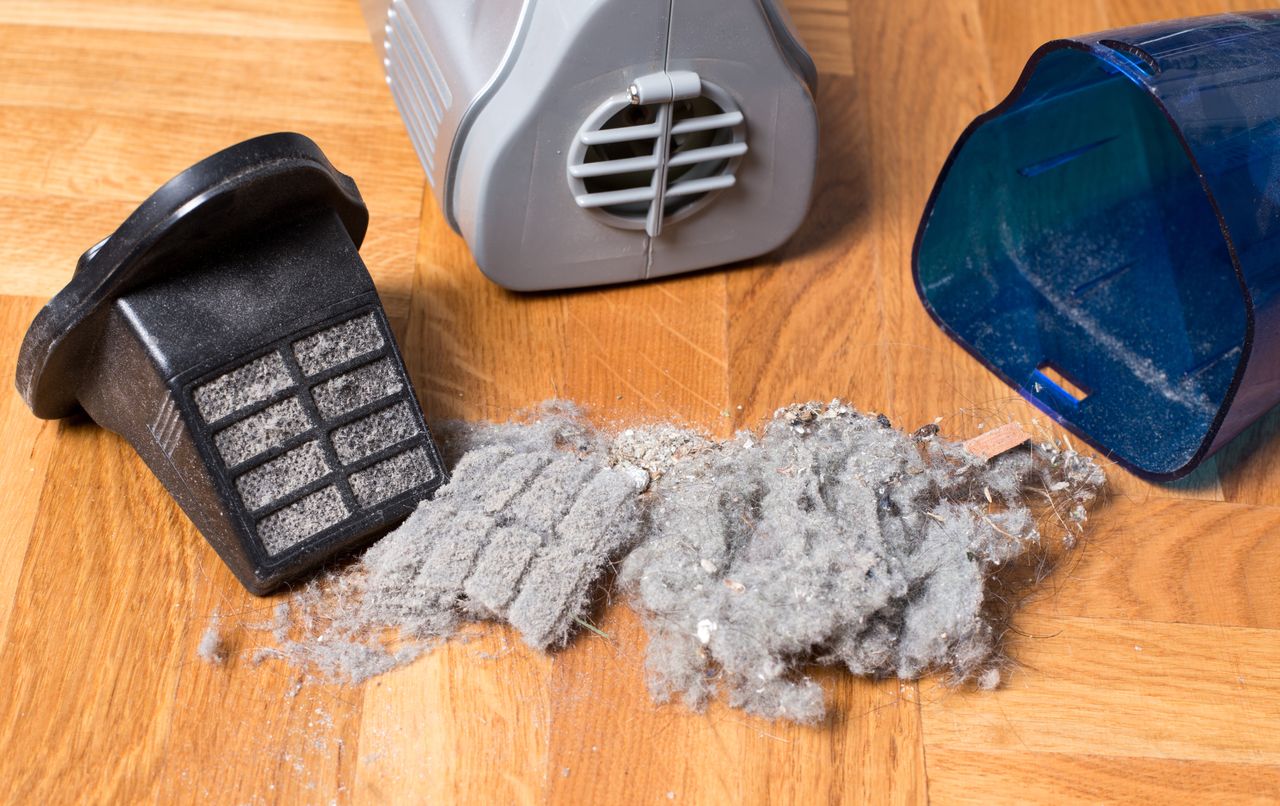
Remove and clean the filters per the owner’s manual. Depending on the type of filter and its material, you might be able to wash it with soap and water and let it air dry. For pleated paper filters, clean them out with a microfiber cloth or soft brush, then replace them as necessary.
Step 3: Remove the Brush Roll
Remove the brush roll to remove hair and debris. If there’s a removal tool that came with the vacuum for this purpose, then use it to remove the hair. Otherwise, take a pair of scissors and snip carefully to avoid cutting the bristles.
Step 4: Wipe Down the Exterior
Wipe down the exterior of the vacuum with a dry or slightly damp cloth. If needed, give it a spritz or two of a multipurpose spray cleaner.
Step 5: Clean the Hose and Attachments
Remove the hose and any attachments. Some might require just a dusting off while the hose especially needs a bit more TLC. While it seems to defy all laws of movement with its flexibility, that doesn’t mean it’s completely indestructible, so take care when cleaning it. Gently remove the hose from the vacuum canister—it should simply click or twist on/off. Wipe the exterior of the hose with a microfiber cloth. Then, take a long brush—a dryer vent brush would work well here—or a broom handle. Insert the brush or handle and gently push it through, removing any clumps of debris. When you’re satisfied that the hose is empty, reattach it.
Step 6: Reassemble the Vacuum
Carefully click or pop all the parts back into place. Don’t beat yourself up if you have to consult the owner’s manual to see how to reassemble certain parts—it’s not like this is an everyday task, so it’s easy to forget where or how some things fit back into place.
Additional Tips For Deep Cleaning A Very Dirty Vacuum
Be gentle when taking apart a very dirty vacuum, or else you’ll find yourself in a cloud of dust and dirt and possibly in the throes of a sneezing fit. The filter could be to blame if your vacuum is dirty and smelly. You could simply replace it with a new one, or you can try a deeper clean with some vinegar and water, that common household cure-all. The vinegar should kill off any bacteria that’s causing the nasty smell; just let it thoroughly air dry before putting it back.
How Often Should You Clean Your Vacuum?
If you empty your dustbin and bag frequently, then you can get away with cleaning your vacuum on an as-needed basis. The roller brush will probably need attention sooner rather than later, so make it a point to check it for hair and other debris after a few uses. If there’s no indicator light that prompts you to do so, then keep an eye (and a nose) out for when it’s time to replace the filter or bag.
In the meantime, it’s fine to wipe down the exterior of the vacuum with a microfiber cloth when it gets dusty, just as you would any other surface in your home.
Frequently Asked Questions
How often should I clean my vacuum?
It’s always advisable to empty the canister after every use or to swap out a dust bag for a new one when it’s full to keep your vacuum running more efficiently. Otherwise, you might consider giving your vacuum a deeper clean once every six months to keep it at peak performance.
Can I use a vacuum cleaner to clean the vacuum itself?
You’re probably doing yourself a disservice if you attempt to use the vacuum to clean itself. If you use the vacuum to clean any part of the device that is instrumental in cleaning, such as the filter or the canister, then chances are you’re just letting dirt and dust particles blow into the air.
Can I wash the filters of my vacuum?
Read the owner’s manual of your vacuum to confirm the type of filter your vacuum uses. Foam filters can typically be washed with some soap and water and then left to air dry. However, if your filter is made from paper, then you’ll have to clean it out with a dry cloth instead.
What should I do if my vacuum smells bad?
If your vacuum smells bad even after emptying the bag or the canister, it’s time for a deeper clean. Take it apart to clean or wipe down the parts, including the inside of the hose and attachments. Per the manufacturer’s recommendations, remove and wash out the dustbin. Clean the filter using vinegar and water if necessary to get rid of the smell—go ahead and replace it completely if it’s still giving you a problem.
How do I clean the brush roll of my vacuum?
Again, check your owner’s manual, but the brush roll should pop out rather easily for cleaning. If there’s a cleaning brush that came with the vacuum, use it to remove hair and other debris that has gotten caught up in the bristles. You can also use scissors, but snip carefully to avoid damaging the brush itself.