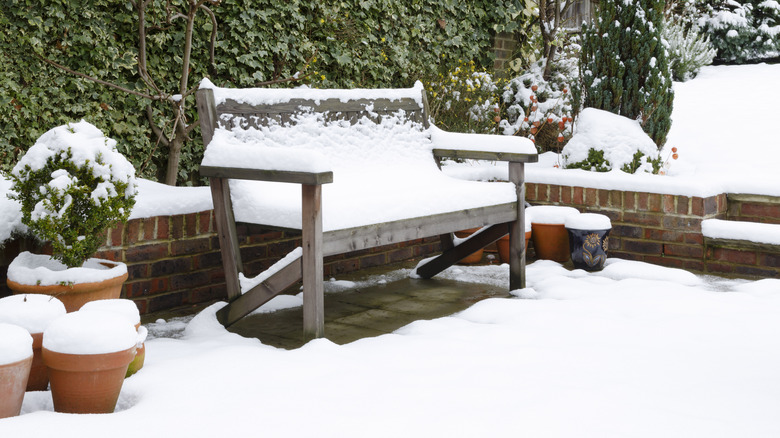
Creating a private and cozy space on your patio is essential for enjoying the outdoors without the distractions of daily life. During the winter months, many plants lose their leaves, making your patio more exposed. To maintain privacy and add some visual interest, consider planting winter-friendly shrubs, vines, and grasses that provide year-round coverage.
When selecting plants for your patio, it's beneficial to mix different types of flora. This not only enhances biodiversity but also helps protect your landscape from potential disease outbreaks. Additionally, arranging your shrubs and flowers in scattered rows or clusters can create a natural and relaxed look around your outdoor area.
Winter Plants for Patio Privacy
American Boxwood
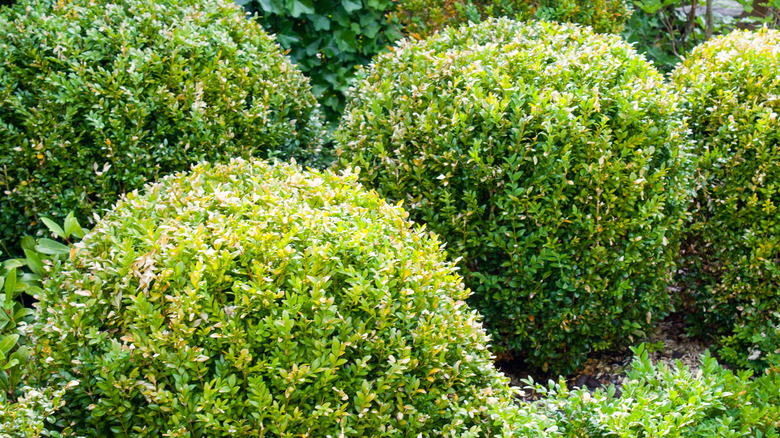 American boxwood (Buxus sempervirens) is a classic choice for hedges. It thrives in USDA Hardiness Zones 5 to 8 and is relatively easy to care for. While it can grow up to 20 feet tall, it's often pruned to a shorter height. This plant prefers full sun or partial shade, though it may struggle in intense heat. Mulching after planting can help protect its shallow roots.
Mountain Pepper
 Mountain pepper (Drimys lanceolata) is an evergreen shrub with bright red stems and glossy green leaves. It produces cream star-like flowers in spring and shiny red berries in the fall. Hardy in zones 8 to 10, mountain pepper needs moist, well-drained soil and should be planted in a sheltered location.
Wax Myrtle
 Wax myrtle (Myrica cerifera) is a versatile and fast-growing shrub that can reach up to 25 feet in height. It thrives in hardiness zones 7 to 11 and prefers well-drained soils and sunny locations. Pruning can help maintain its shape when used as a privacy bush.
Inkberry
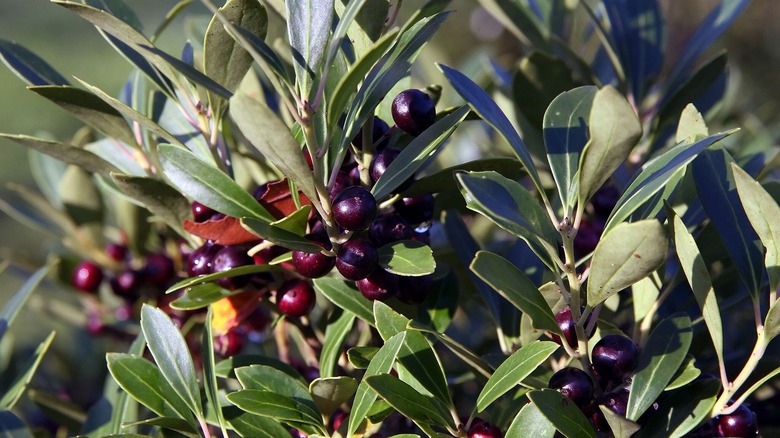 Inkberry (Ilex glabra) is a dense shrub that can grow up to 8 feet tall. Its dark green leaves offer winter color, while its spring flowers attract pollinators. It is suitable for zones 4 to 11 and prefers well-drained, acidic soil. The berries are toxic, so it's important to plant this where children won't be tempted to eat them.
American Holly
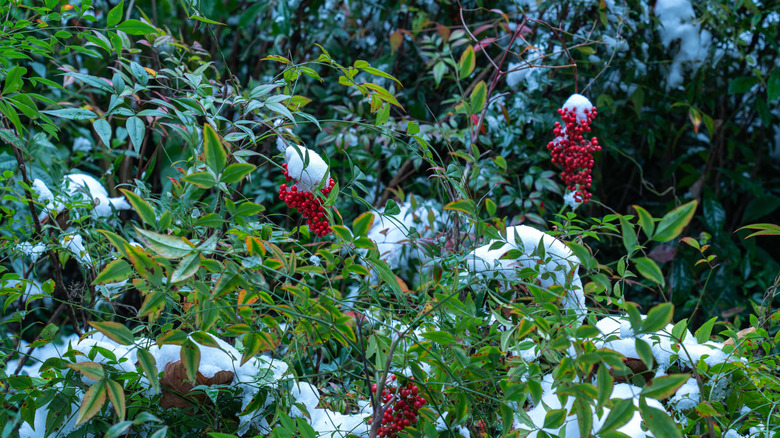 American holly (Ilex opaca) features iconic dark, spiny leaves and bright red berries that last through the winter. It grows in zones 5 to 9 and prefers moist, acidic soil with good drainage. It should be protected from harsh afternoon sun in warmer climates. The berries are poisonous, so caution is needed.
Eastern Arborvitae
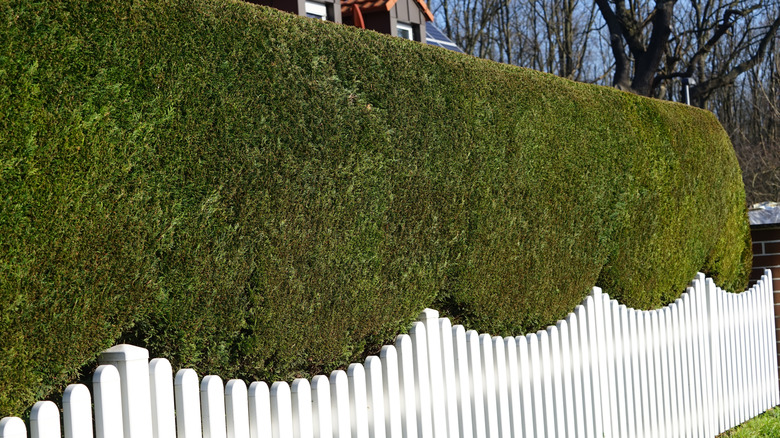 Eastern arborvitae (Thuja occidentalis) is a common evergreen shrub with thick, green foliage. There are various cultivars available, ranging from small globes to tall, narrow forms. It suits hardiness zones 3 to 7 and prefers moist, well-drained loam. Plant it in full sun or partial shade, avoiding windy areas.
Chinese Fringe Flower
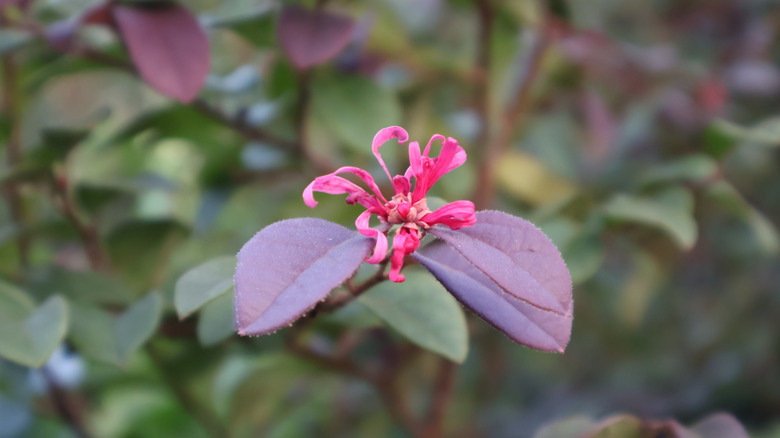 Chinese fringe flower (Loropetalum chinense) has dark foliage and pink, frilly spring flowers. It thrives in zones 7 to 9 and needs full sun with some afternoon shade. It does well in moist, acidic, well-drained soil. In cooler locations, it should be protected from winter winds.
Camellia
 Camellia (Camellia japonica) is a flowering evergreen shrub native to Japan, China, and Korea. It blooms in the winter and prefers moist, rich, well-drained soils. It does best in shade or partial shade with protection from winter winds. Although slow to grow, camellias are long-lived and provide privacy and color.
Red Tip Photinia
 Red tip photinia (Photinia x fraseri) offers dramatic foliage with red new growth that turns green over time. It can grow up to 20 feet tall and 10 feet wide, creating a tall privacy hedge. It prefers rich, well-drained soil, but its foul-smelling flowers may be a downside if you dine on your patio regularly.
Eastern Redcedar
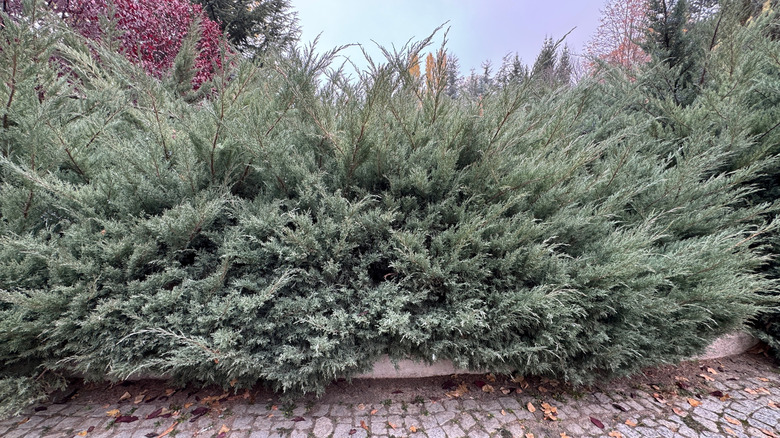 Eastern redcedar (Juniperus virginiana) is a native evergreen tree that can reach 30 to 40 feet tall. It suits zones 2 to 9 and adapts to various soil conditions. However, overly wet soil can cause issues. Ensure enough space to prevent it from overtaking other plants.
Big Sacaton
 Big sacaton (Sporobolus wrightii) is an ornamental grass that adds texture and structure to your privacy planting. It grows to about 7 or 8 feet tall and turns golden in winter. It needs full sun and can tolerate damp soils.
Lusterleaf Holly
 Lusterleaf holly (Ilex latifolia) offers large, glossy leaves and winter interest. It can reach 25 feet tall and is hardy in zones 6 to 9. Like other hollies, its berries are poisonous.
Giant Needle Grass
 Giant needle grass (Celtica gigantea) is a semi-evergreen grass that creates a stylish privacy screen. It grows up to 8 feet tall and prefers moist, well-drained soil. It may lose some leaves in colder regions.
Fragrant Tea Olive
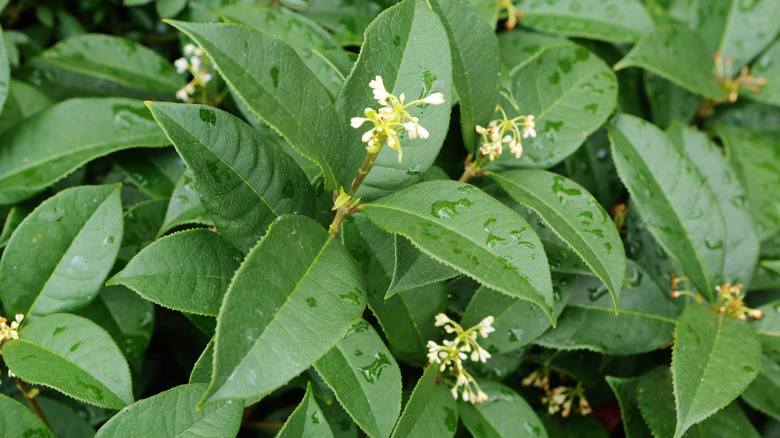 Fragrant tea olive (Osmanthus fragrans) is a dense evergreen shrub with shiny, dark leaves. It can reach up to 15 feet tall and prefers moist soil with decent drainage. It does well in both sun and partial shade.
Japanese Laurel
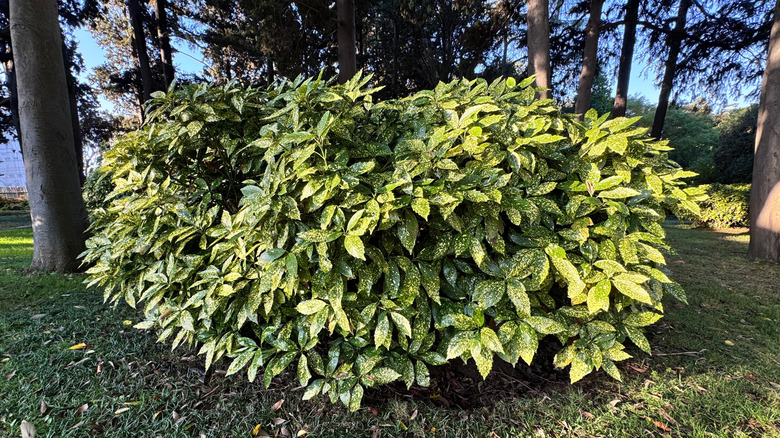 Japanese laurel (Aucuba japonica) offers interesting winter foliage with various leaf markings. It thrives in zones 7 to 10 and prefers partial or full shade. It grows well in containers for patio use.
Hardy Anise Shrub
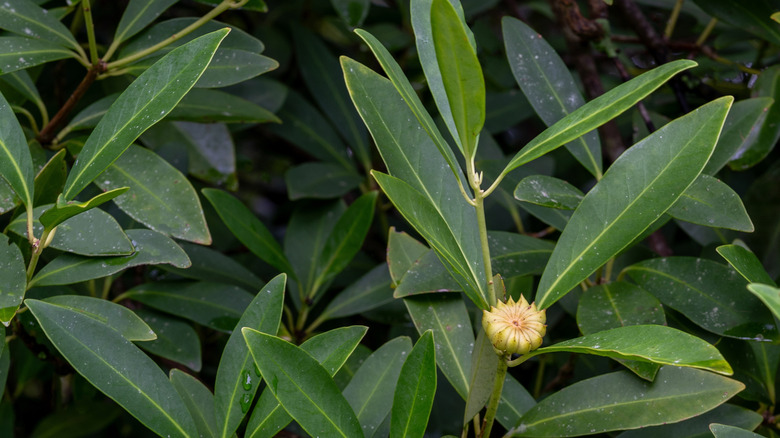 Hardy anise shrub (Illicium parviflorum) has beautiful yellow-green leaves and can grow up to 20 feet tall. It prefers full or partial shade and can tolerate a range of soil types. However, its leaves, fruits, and seeds are poisonous.
Leatherleaf Viburnum
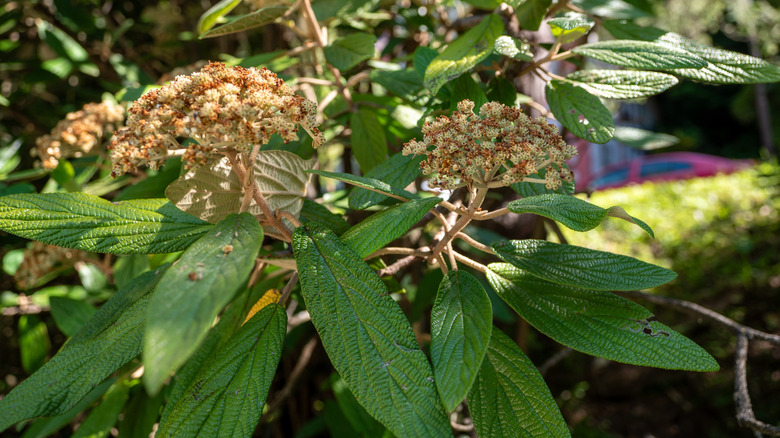 Leatherleaf viburnum (Viburnum rhytidophyllum) brings rough, textured foliage and white flowers in late spring. It is hardy in zones 5 to 8 and prefers moist, acidic soil. It should be planted in a sheltered location.
Rosebay Rhododendron
 Rosebay rhododendron (Rhododendron maximum) can grow up to 15 feet tall and 12 feet wide. It thrives in partial or full shade and prefers moist, acidic soil. Its leathery leaves provide texture and privacy throughout the seasons.
Willowleaf Cotoneaster
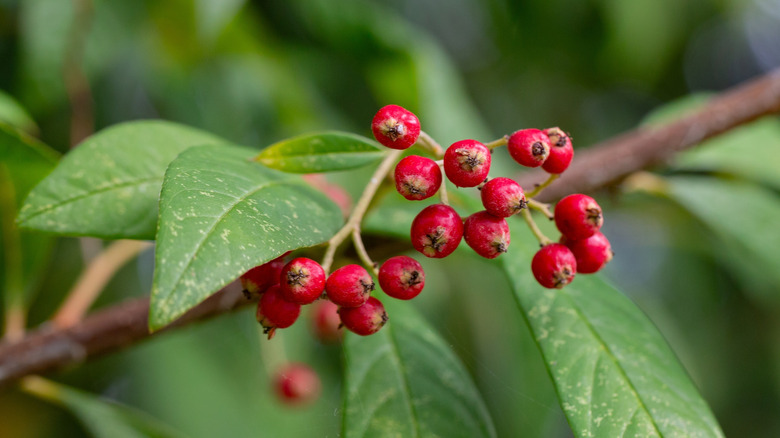 Willowleaf cotoneaster (Cotoneaster salicifolius) is a semi-evergreen shrub with long, glossy green leaves that may develop a purple tinge in winter. It produces red berries in fall and stays on the bush through the winter. It is hardy in zones 6 to 8 and can be planted in full sun or partial shade.