Understanding Desert Modernism
Desert modernism is a design philosophy that emphasizes harmony between the built environment and the natural landscape. It is rooted in minimalism, with an emphasis on clean lines, open spaces, and a seamless integration of indoor and outdoor living. This style is particularly well-suited for arid or semi-arid regions where water conservation is essential. By leveraging native plants, natural materials, and thoughtful design, desert modernism offers a way to create beautiful, functional spaces that respect the surrounding ecosystem.
Key Design Elements of Desert Modernism
-
Give Plants Space and Intersperse Them with Stones
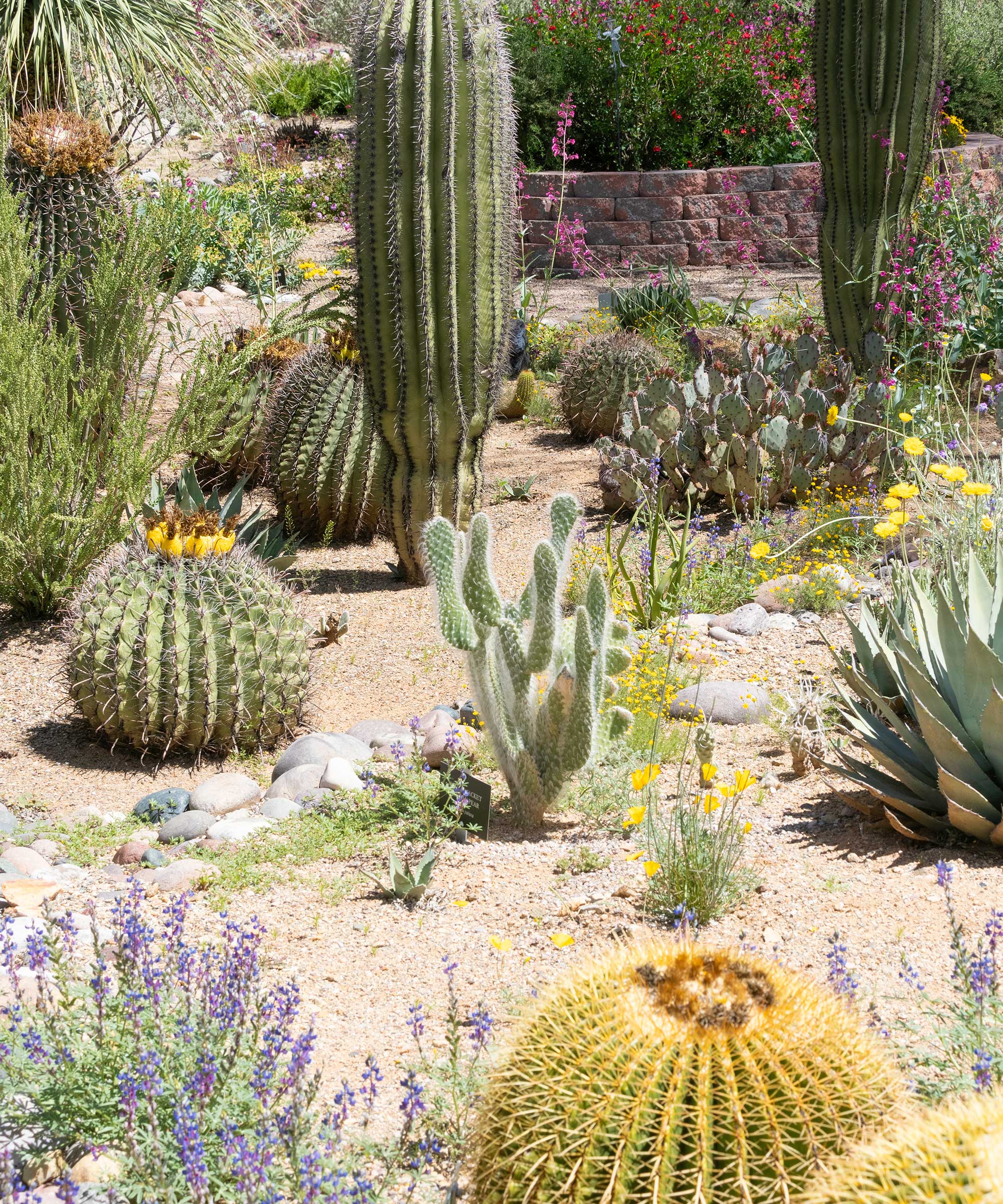
In desert modernism, plants are strategically placed rather than densely packed. This approach mimics the natural desert landscape, which is dotted with vegetation but not overwhelmed by it. Succulents like cacti and agave are often used as focal points, while tough shrubs, grasses, and perennials add texture and depth. Stones, such as boulders and gravel, play a key role in defining space and adding visual interest. The right color palette—creamy whites, bleached tans, and warm grays—can enhance the overall aesthetic. -
Integrate Sculptural Elements to Create Dramatic Silhouettes
Abstract sculptures and sculptural plants are central to the desert modernism aesthetic. These elements emphasize form, silhouette, and negative space rather than ornamentation. Positioning sculptures at key points, such as intersections of pathways or along sightlines from interior spaces, can create dramatic visual effects. Shadows cast by these elements throughout the day can also contribute to the dynamic nature of the design. -
Borrow from the Surrounding Landscape
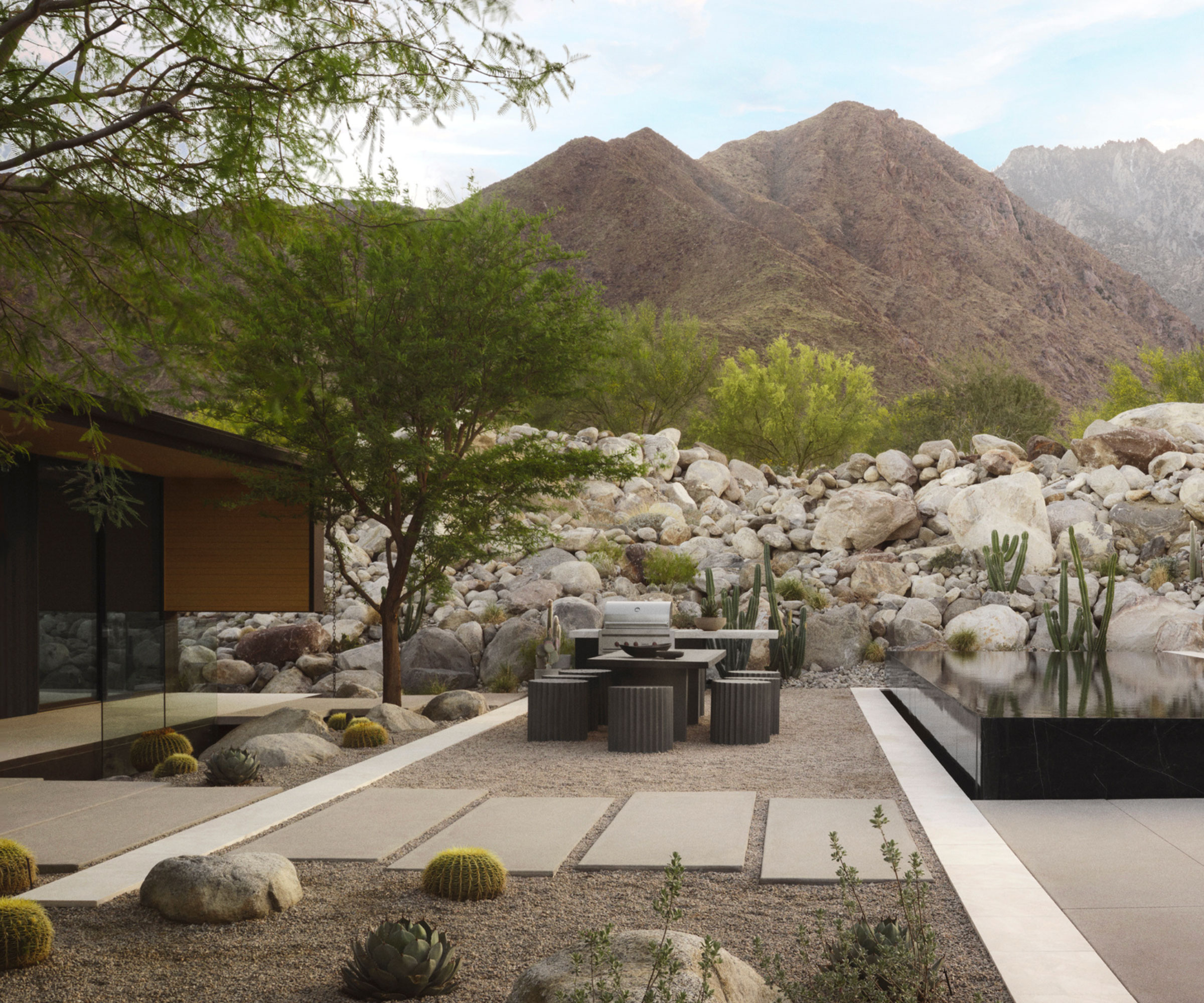
A core principle of desert modernism is to integrate the property with its surroundings. This involves using local materials, native plants, and natural features to create a sense of continuity. For example, incorporating boulders, stones, and indigenous plants like agave and Mexican palo verde can help the landscape feel more cohesive and authentic. This approach not only enhances visual appeal but also supports local ecosystems. -
Choose Complementary Landscaping Materials
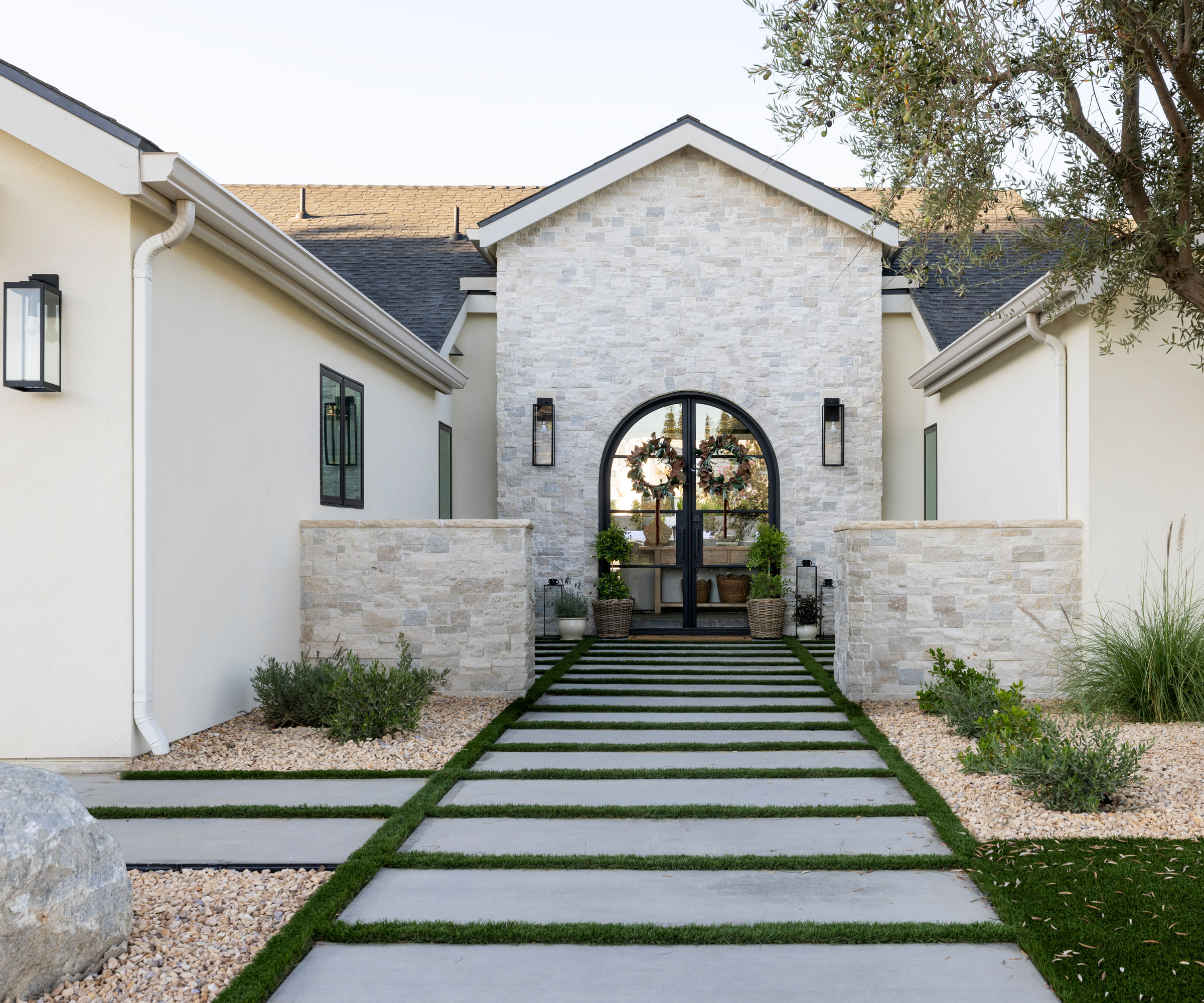
Texture and patina are important considerations when selecting hardscaping materials. Rust-colored corten steel, galvanized steel, and decomposed granite are popular choices that complement the desert aesthetic. Dried Ocotillo can be used as a roofing material, offering both texture and function. Gravel and decomposed granite are also commonly used as ground cover, providing a natural and low-maintenance solution. -
Opt for Earth-Inspired Colors and Textures
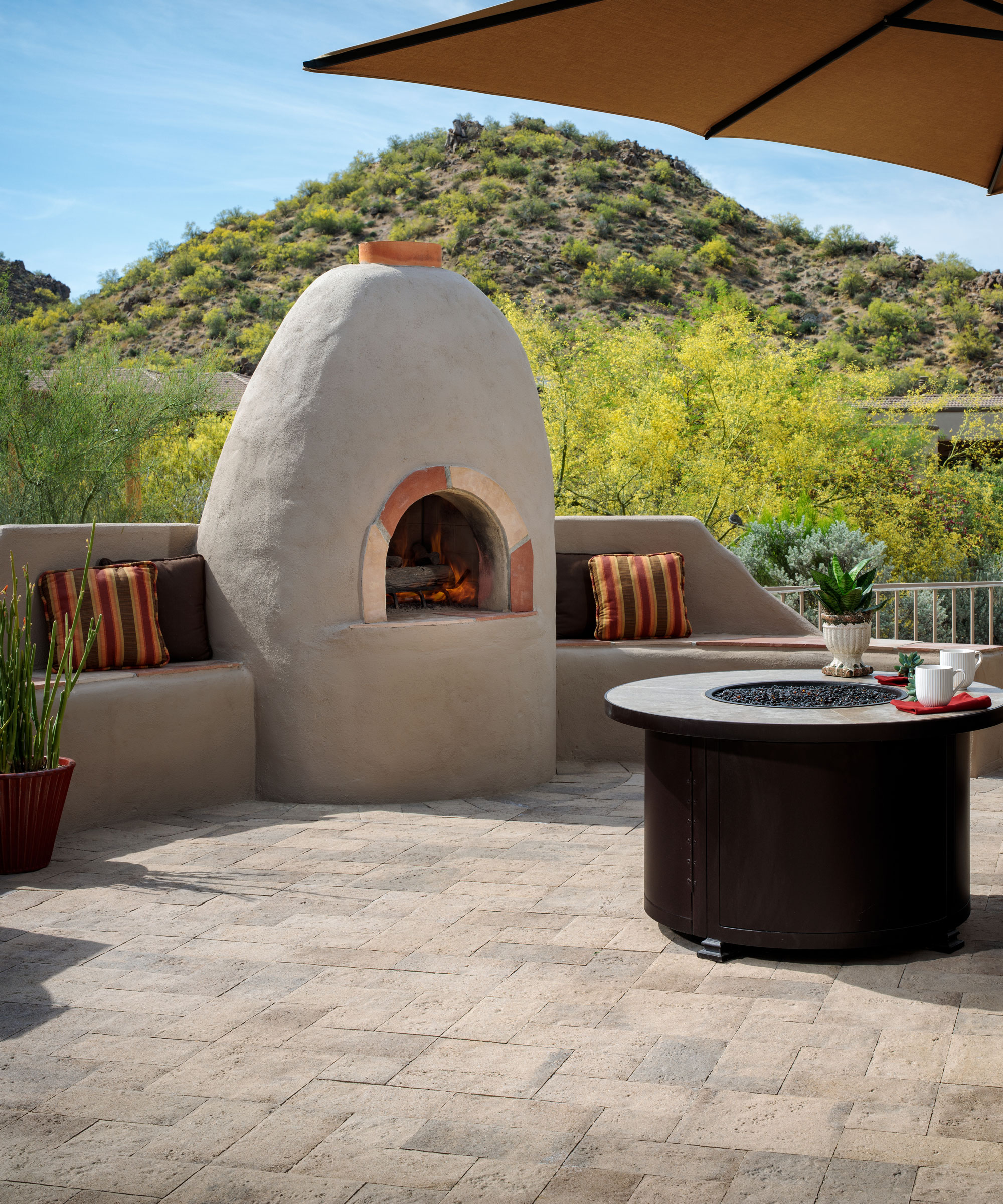
The color palette of desert modernism draws inspiration from the natural environment, featuring warm neutrals, silvery grays, sun-washed terra cotta, and deep charcoal tones. These hues reflect the surrounding landscape and create a sense of continuity. Textures, such as matte concrete, smooth pavers, and naturally fractured stone surfaces, add visual interest and balance precision with imperfection. -
Enhance Indoor-Outdoor Living
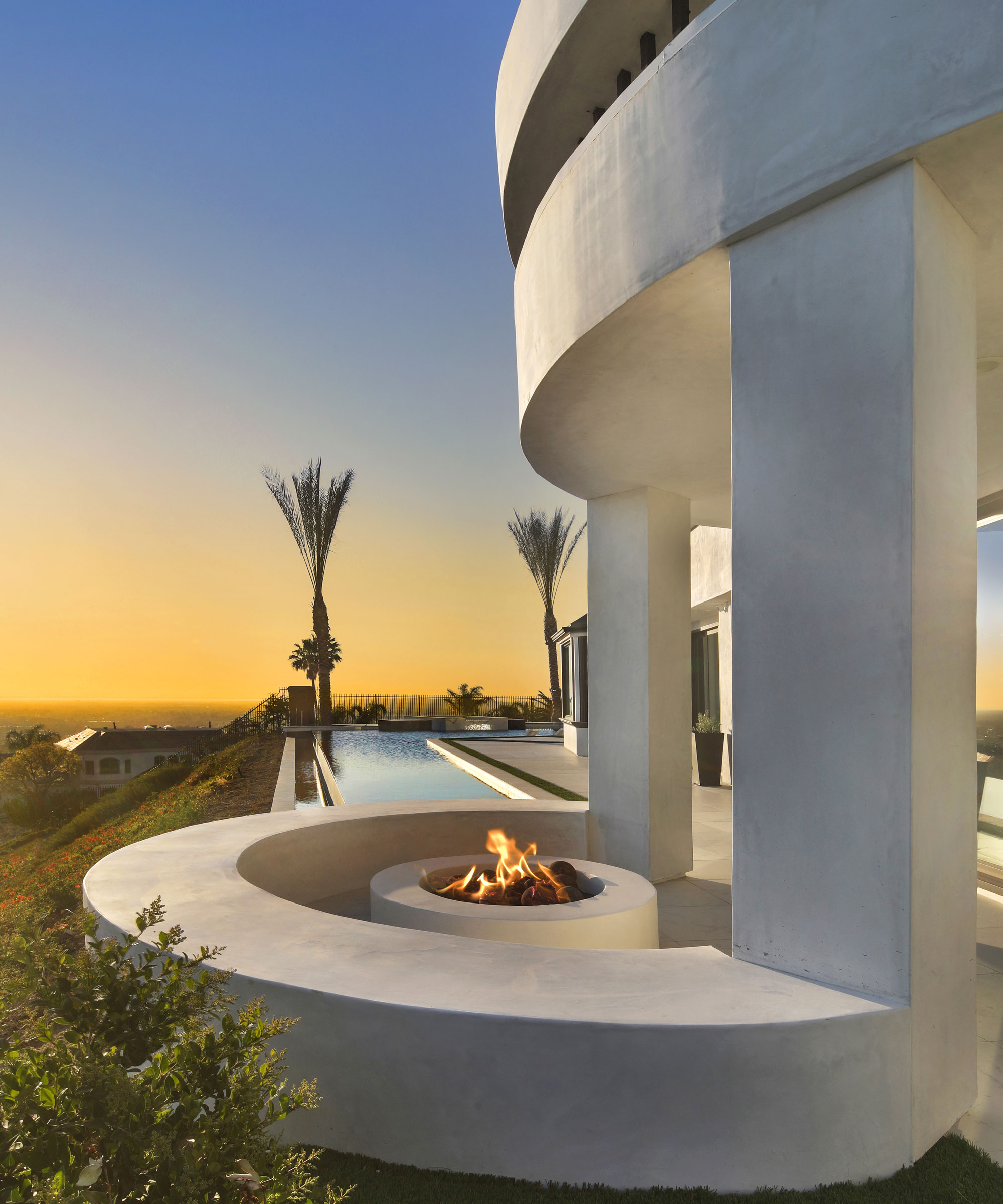
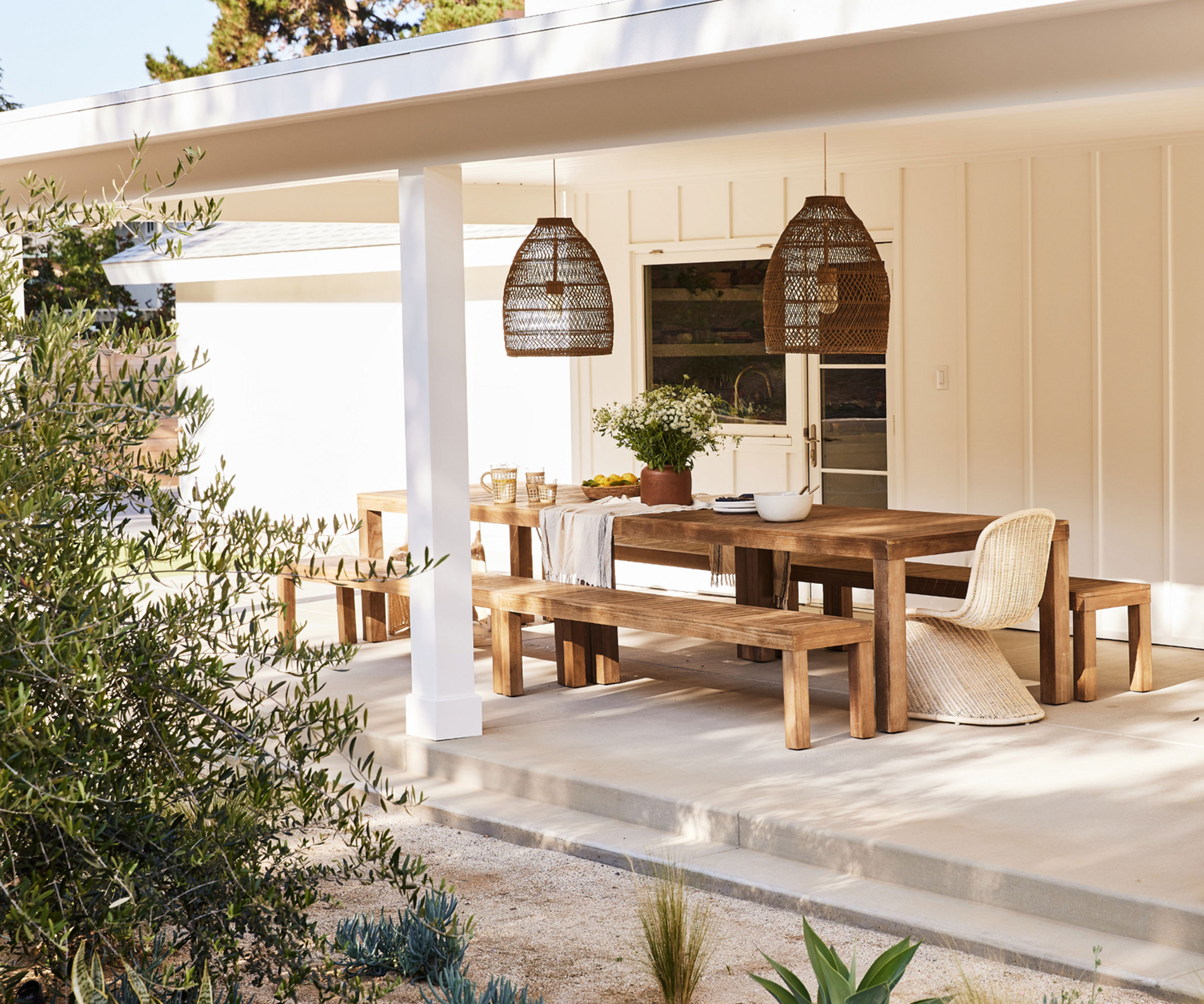
Desert modernism places a strong emphasis on indoor-outdoor living. Outdoor areas are designed for entertaining, relaxation, and protection from the elements. Shade structures, pools, and durable materials like reinforced concrete masonry blocks and Brazilian teak help create a seamless transition between indoor and outdoor spaces. These elements not only enhance functionality but also contribute to the overall aesthetic. -
Include a Stylish Water Feature for Maximum Impact
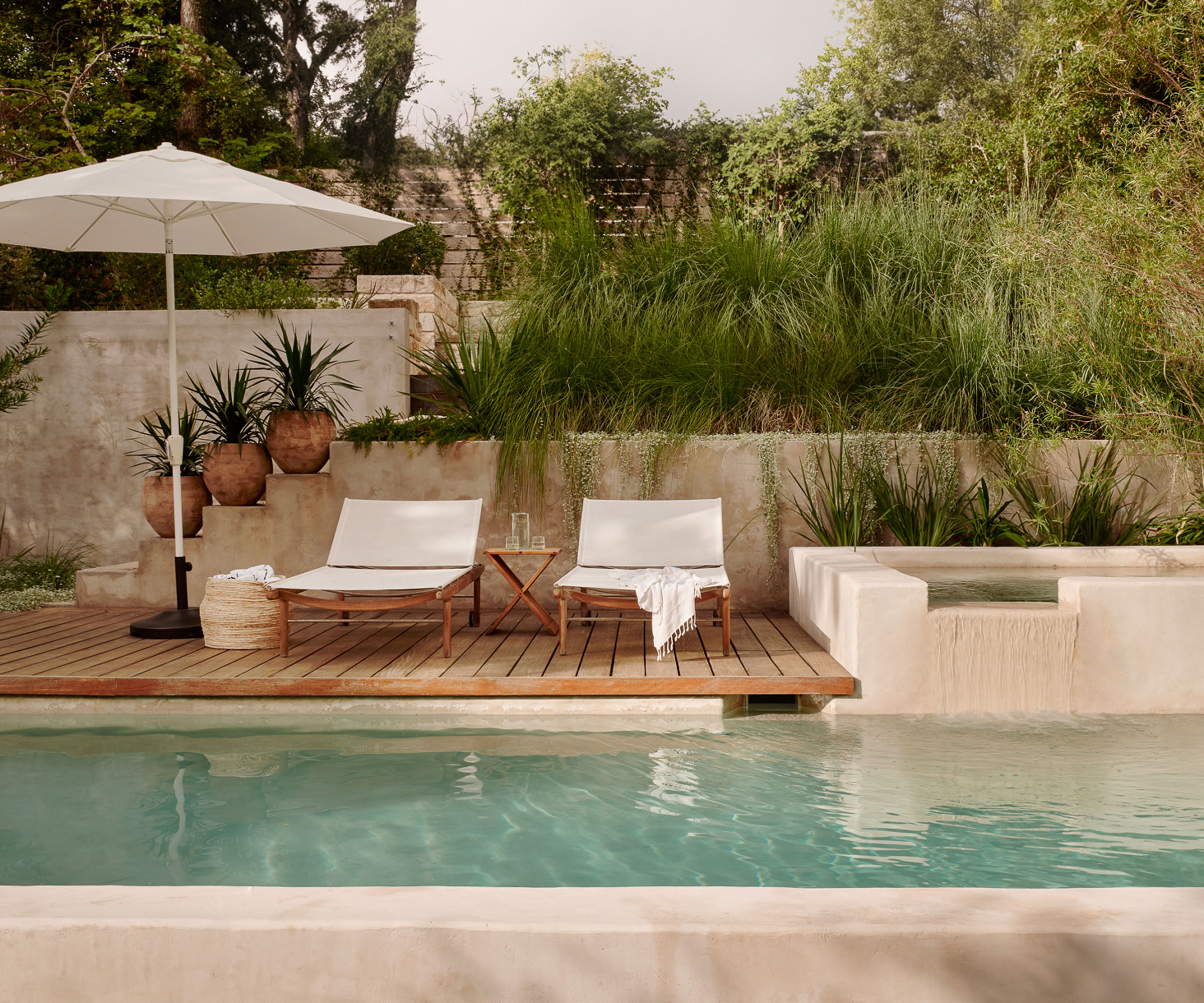
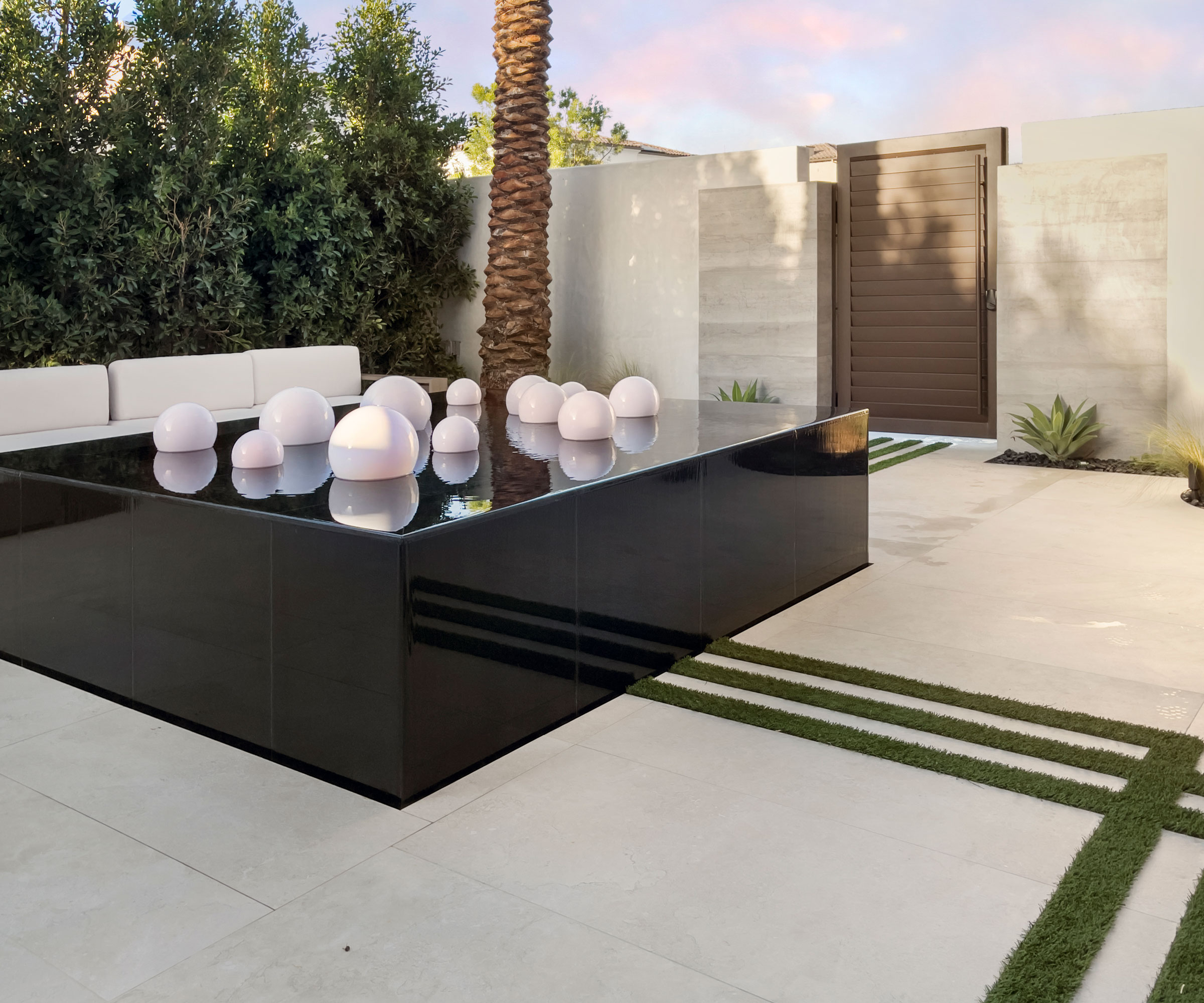
While water features may seem out of place in a desert setting, they can be incorporated thoughtfully. Closed-loop recirculating systems minimize water usage while providing visual and sensory interest. Reflecting pools, trough fountains, and other small water features can create a calming presence and support local wildlife. Playing with light and shadow through slatted pergolas, staggered walls, or linear paver joints adds another layer of visual interest.
Frequently Asked Questions
How can a desert garden go beyond classic xeriscaping?
Desert gardens offer a unique opportunity for creativity and expression. By using native plants, natural materials, and thoughtful design, it's possible to create a space that feels both artistic and functional. Borrowing elements from the surrounding landscape, such as mountainscapes or natural rock formations, can enhance the connection between the property and its environment.
For more planting ideas that work in hot, arid climates, consider full sun ground cover plants and drought-tolerant species that mimic the natural landscape. These choices not only conserve water but also contribute to the overall beauty and sustainability of the design.