The Nostalgic Revival of 1970s Household Items
The 1970s were a decade of bold design choices and technological experimentation. From the earthy tones that dominated home interiors to the rise of new gadgets, this era left an indelible mark on American culture. While many of these items have long since disappeared from our homes, some are making a comeback thanks to the growing trend of nostalgia and vintage aesthetics.
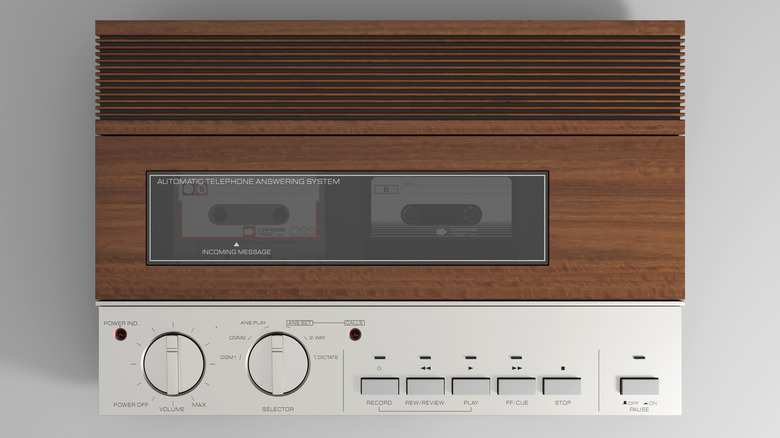
One of the most iconic household items from the '70s was the answering machine. Before voicemail and cell phones, these devices used tape cassettes to record greetings and messages. People often personalized their greetings with humor or creativity, and the machines themselves were large and somewhat cumbersome. As technology advanced, answering machines were eventually replaced by voicemail systems and, more recently, texting.
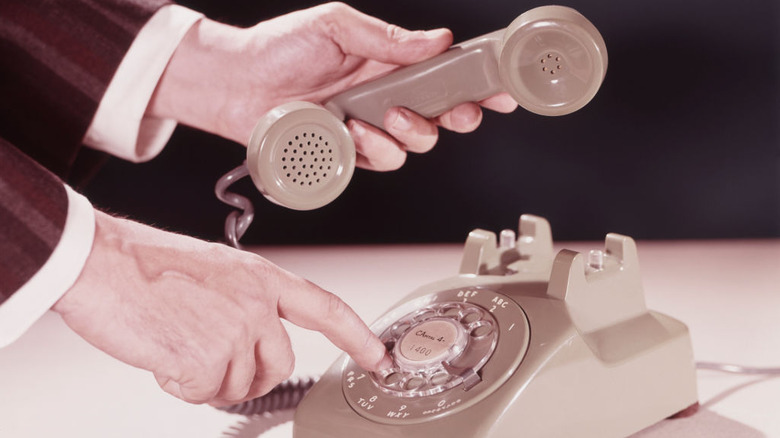
Another relic of the '70s is the rotary telephone. These phones required users to physically rotate a dial to input numbers, which could be frustrating, especially for long-distance calls with multiple zeros. Although push-button models became more common in the 1980s, rotary phones have seen a resurgence among those seeking a vintage touch in their homes. Some of these older models are even valuable collectibles.
The set of encyclopedias was once a staple in many households. Before the internet, these thick books were the go-to source for information. They were often purchased through door-to-door salesmen and were essential for schoolwork. However, with the advent of personal computers and the World Wide Web, encyclopedias have largely fallen out of use.

Long corded wall phones were a common sight in '70s kitchens. These phones had cords that stretched across rooms, often leading to tangled messes. Teenagers knew all too well the frustration of trying to coil the cord back into its original shape. These phones were not only functional but also a symbol of the era's decor.

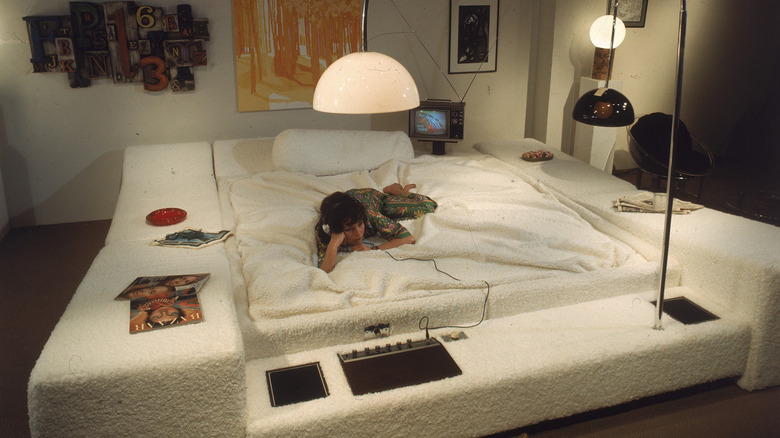
Waterbeds were a defining feature of the '70s, offering a unique and comfortable alternative to traditional mattresses. They were popular during the sexual revolution and were marketed as a luxurious addition to any bedroom. Despite their decline in popularity, waterbeds still hold a special place in the hearts of many.
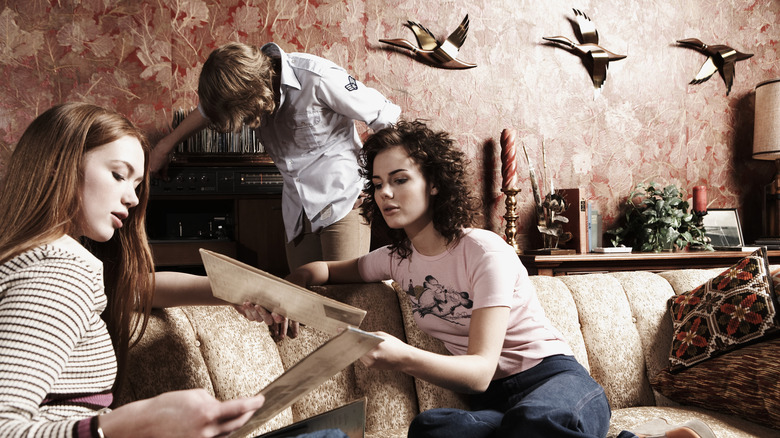
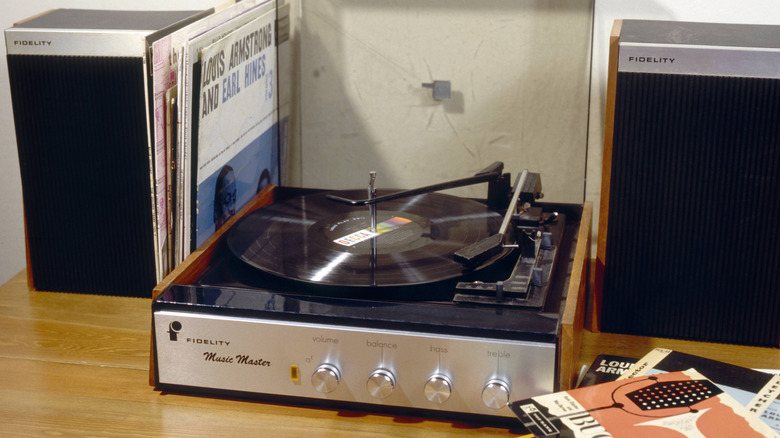
Record players were a staple in many '70s homes. Whether part of a console stereo system or displayed separately, these devices provided a rich listening experience. While vinyl records are still cherished by collectors, they have largely been replaced by CDs, MP3s, and music streaming services.
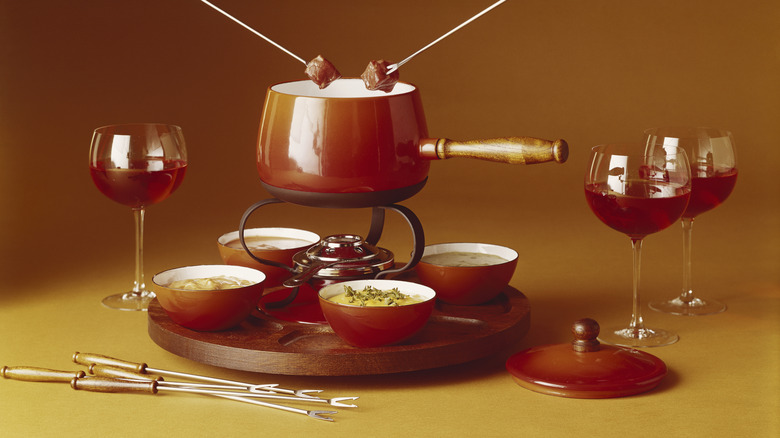
Fondue pots were a popular centerpiece during '70s gatherings. Introduced in the 1960s, they became a favorite for social events and dinner parties. Although their popularity waned in the late '70s, fondue has seen a revival in recent years with the rise of chocolate fountains and nostalgic food trends.
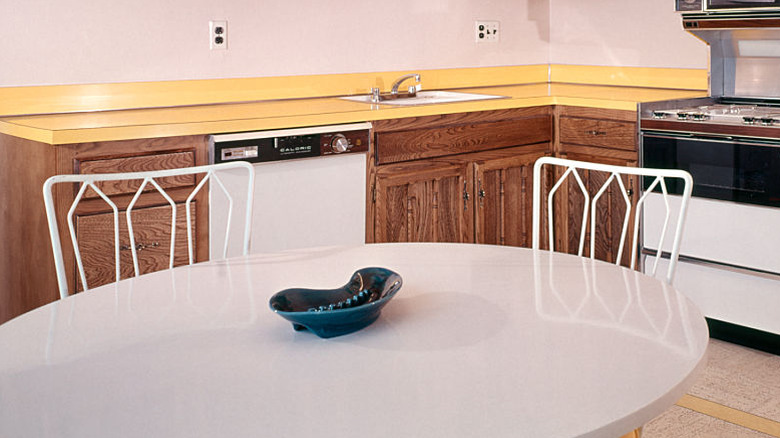
Ashtrays were once a common fixture in homes, even for non-smokers who provided them for guests. However, as awareness of smoking's health risks grew, ashtrays gradually disappeared from homes. By the 1990s, they had become rare sights.
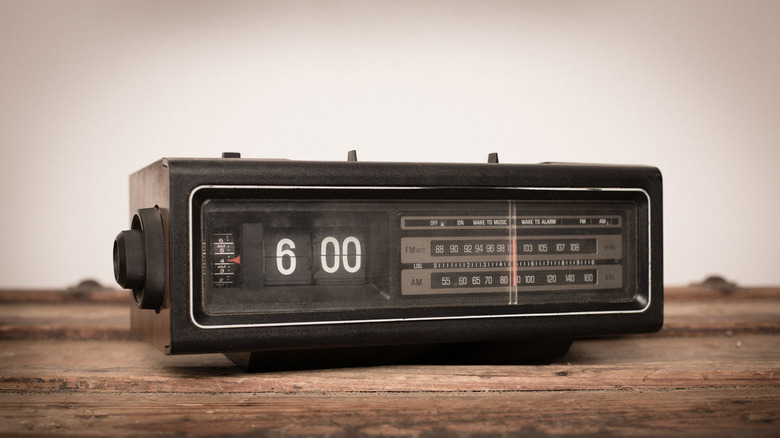
Clock radios were a staple in many '70s bedrooms. Their alarm sounds were known to wake even the heaviest sleepers. These radios featured flip numbers that made a distinct noise when the time changed, and later models introduced digital displays. Despite their decline in the '80s, clock radios remain a nostalgic reminder of the past.
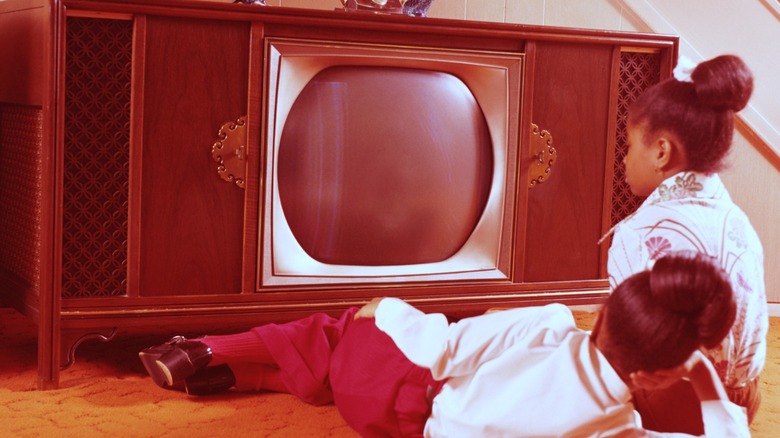
Console TVs were more than just television sets; they were pieces of furniture that dominated living rooms. These heavy units often contained additional features like stereos or 8-track players. As technology evolved, console TVs were replaced by sleeker models, but they still hold a special place in retro design.
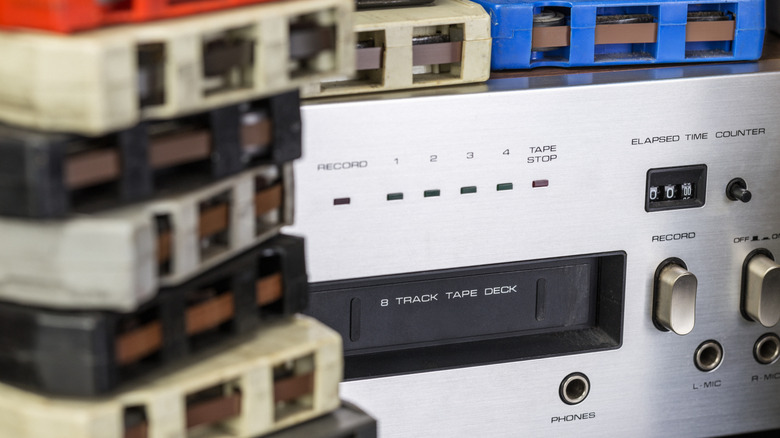
The 8-track player was a short-lived but significant innovation in audio technology. Popular in the '70s, these devices were eventually phased out due to their flaws, such as frequent tape jams and poor sound quality. They were soon replaced by cassette tapes and later by digital formats.
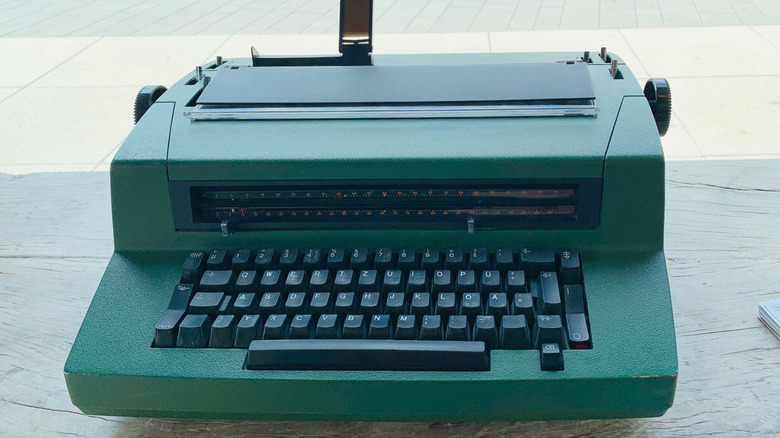
Electric typewriters became common in the '70s, offering a quieter and more reliable alternative to manual models. They were widely used in offices and schools but were eventually replaced by word processors and personal computers. Today, they are mostly seen as retro items.
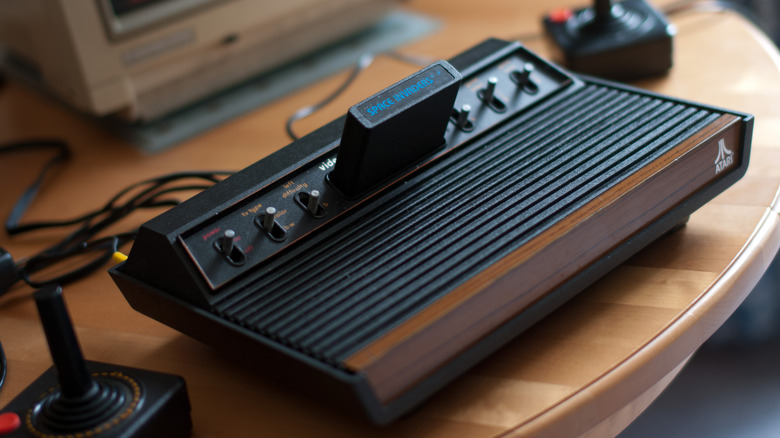
Atari VCS, or the Video Computer System, was a groundbreaking device that brought video games into the mainstream. Released in 1977, it laid the foundation for the modern gaming industry. While modern gamers may never experience the original Atari console, it remains a significant piece of gaming history.
Telephone books were once essential for finding contact information. However, with the rise of smartphones and the internet, they have become obsolete. Many communities have stopped printing them altogether, marking the end of an era.