Why Humidity is Important for Certain Plants
Humidity plays a crucial role in the health and vitality of many houseplants, especially those that originate from tropical regions. Indoor air can become extremely dry, particularly during the winter months when heating systems are in use. This dryness can be detrimental to tropical plants, which require moisture in the air to avoid dehydration, support transpiration, and facilitate other natural processes like photosynthesis.
To monitor humidity levels effectively, it's helpful to use a hygrometer. These devices provide real-time readings and can help you determine if additional humidity is needed for your indoor plants. For example, the ThermoPro TP50 Digital Thermo-Hygrometer is a reliable option that allows you to cross-reference humidity data across different areas of your home.
Most high-humidity houseplants come from tropical regions where the environment is consistently moist. By providing both soil moisture and atmospheric humidity, you can mimic their natural habitats and prevent seasonal stress. Ensuring that humidity levels match individual plant needs is an essential part of caring for houseplants during the colder months.
Houseplants That Need High Humidity
If you grow any of these popular houseplants, it’s important to know that they require higher humidity levels to thrive. Here are some of the most common high-humidity houseplants and tips for their care:
-
Calathea
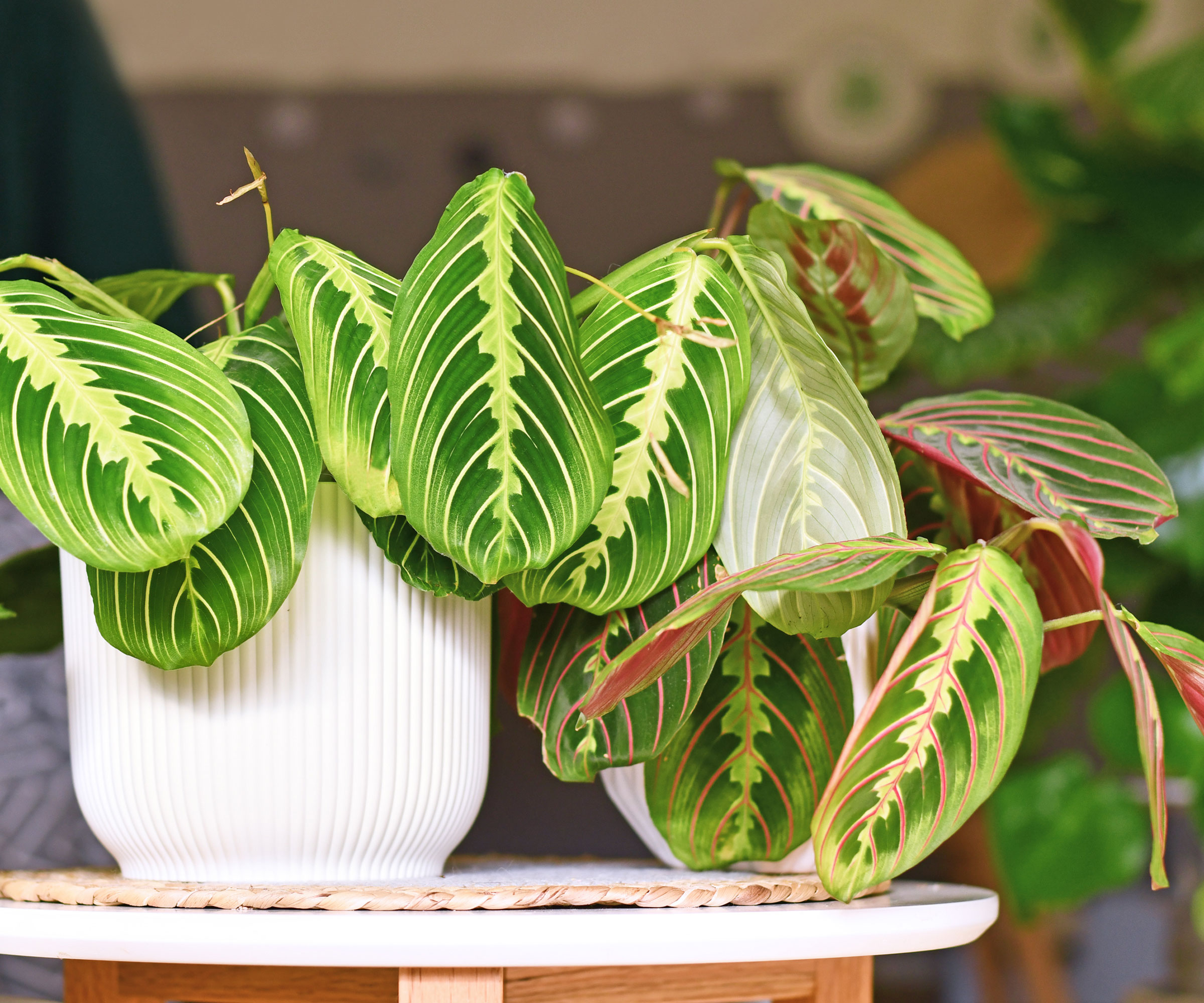
Calatheas, also known as prayer plants, are native to the Central and South American tropics. They require humidity levels of 50% or higher and cannot tolerate temperatures below 60°F (16°C). Their delicate leaves lose moisture quickly in dry air, so maintaining consistent humidity is essential. Signs of low humidity include crispy brown leaf edges, leaf curling, and leaves that stay partially closed. Use filtered or distilled water and ensure good drainage to prevent root rot. Self-watering pots with built-in reservoirs can help maintain consistent moisture. -
Ferns
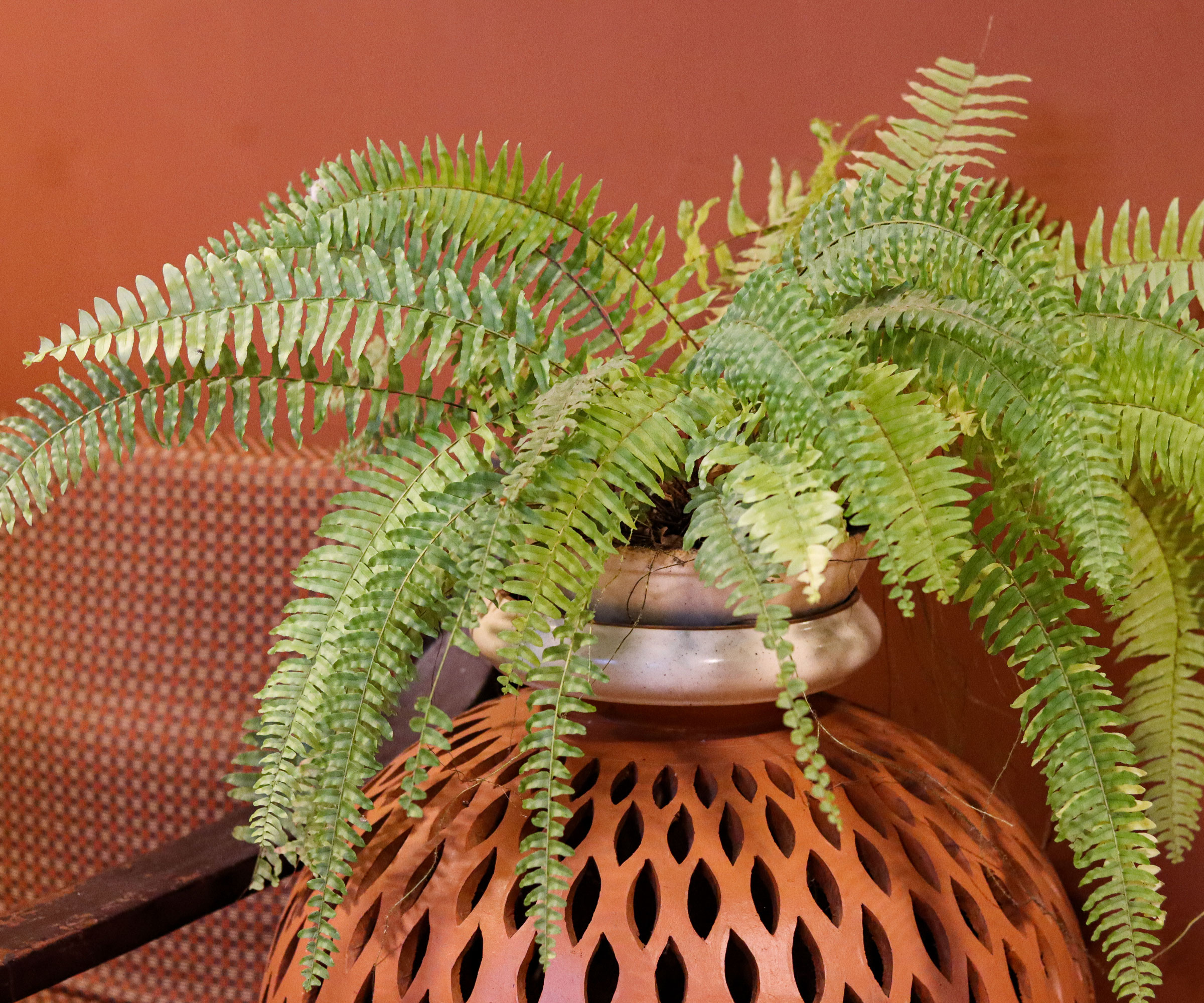
Many indoor fern varieties, such as Boston ferns, staghorn ferns, and rabbit’s foot ferns, originate from tropical regions and require high humidity levels, up to 80% for some species. Ferns have fine, feathery fronds that transpire rapidly, making them sensitive to dry air. Signs of low humidity include crispy fronds, browning tips, and stunted growth. Keep the soil evenly moist and avoid letting it dry out completely. -
Epiphytic Orchids
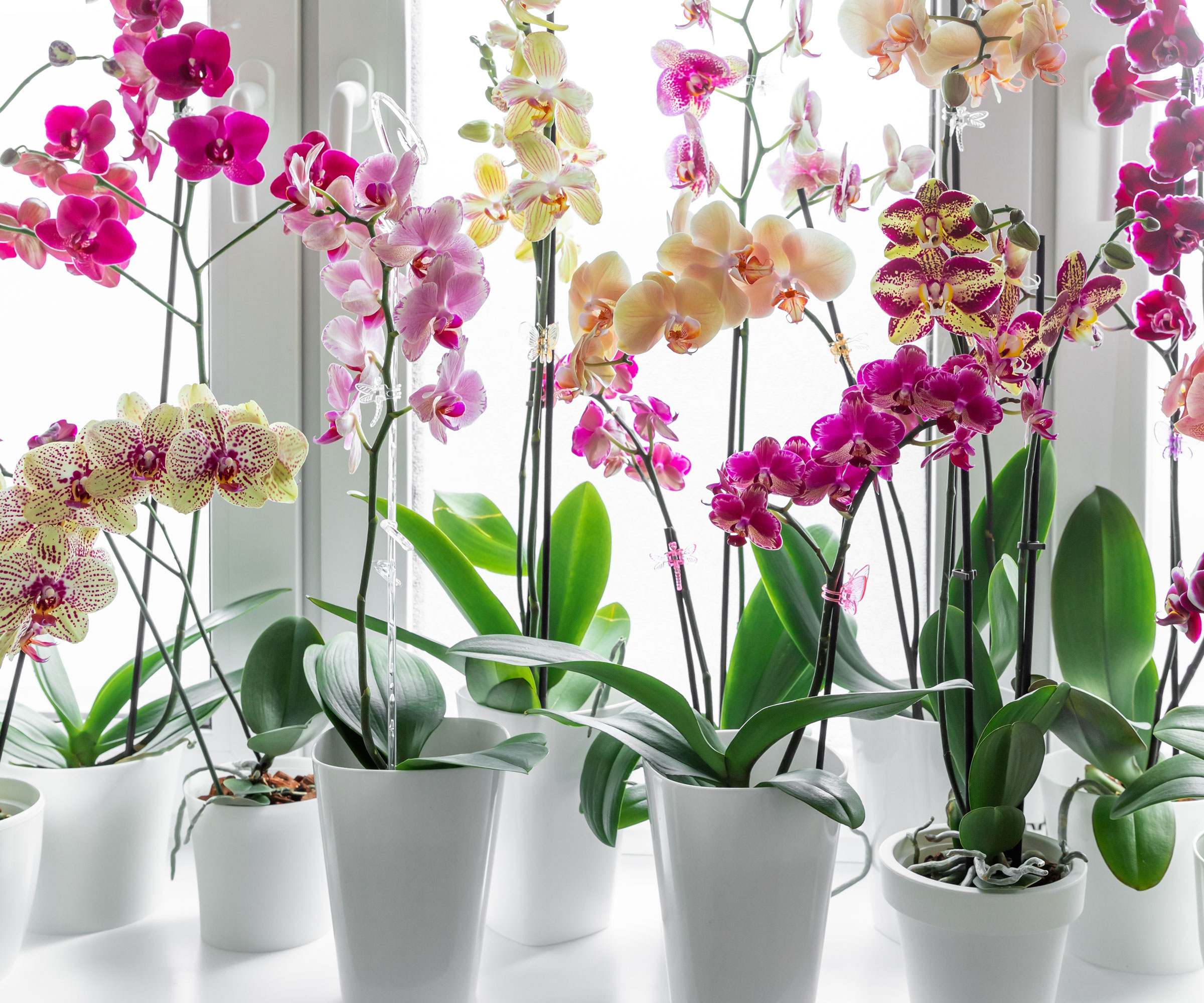
Epiphytic orchids, such as phalaenopsis and dendrobiums, absorb moisture through their aerial roots. They require humidity levels between 40% and 70%. Signs of low humidity include wrinkled roots, limp leaves, and bud blast. Mist the roots directly using a fine sprayer, but avoid wetting the flowers. The Lianshi Brass Spray is an effective option for this purpose. -
Peace Lily
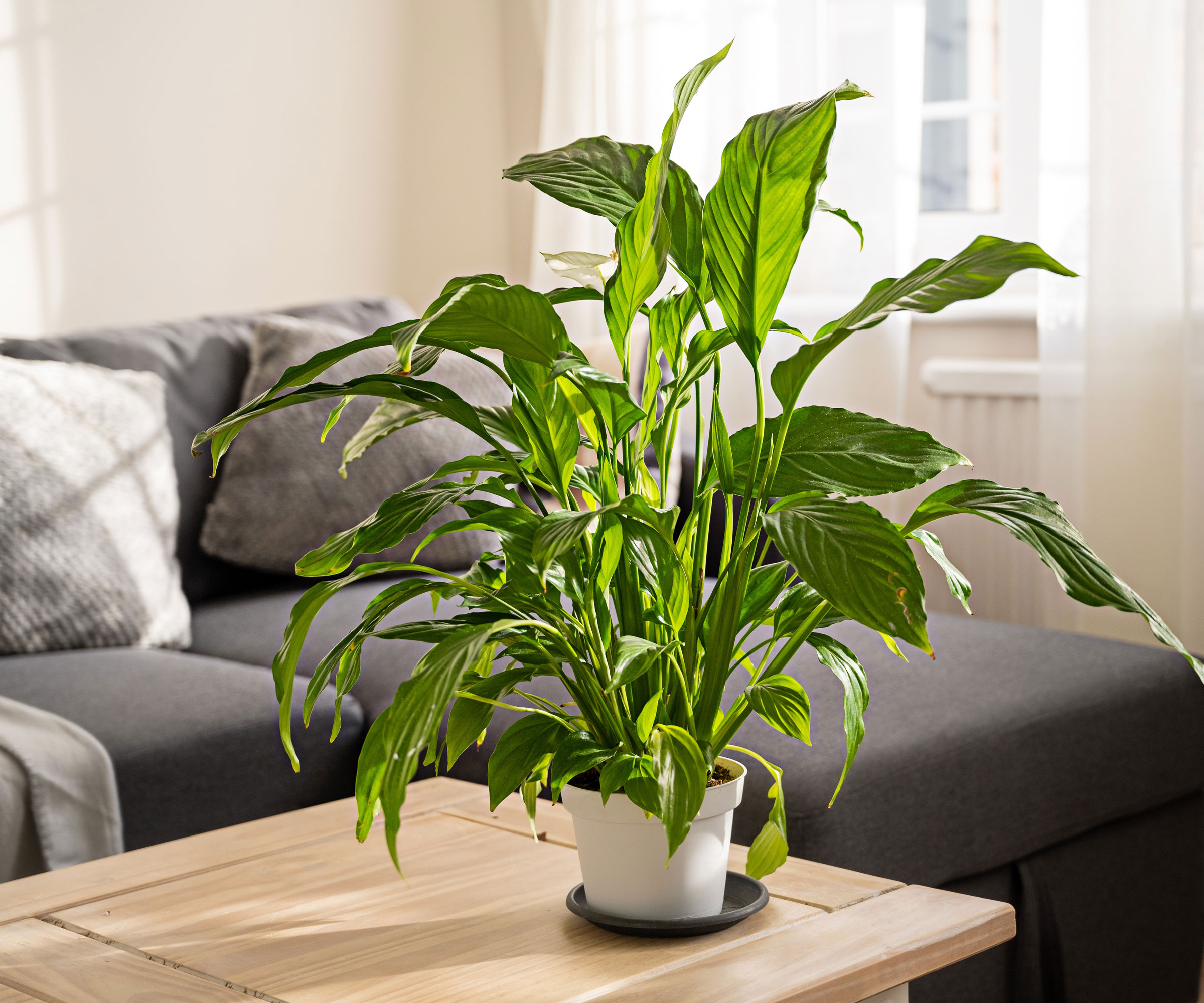
Peace lilies thrive in humidity levels around 60%. Their large, glossy leaves transpire readily, requiring a consistently humid environment. Signs of low humidity include brown leaf tips, drooping leaves, and reduced flowering. Water when the top inch of soil becomes dry, and consider using self-watering containers to maintain even moisture. -
Alocasia
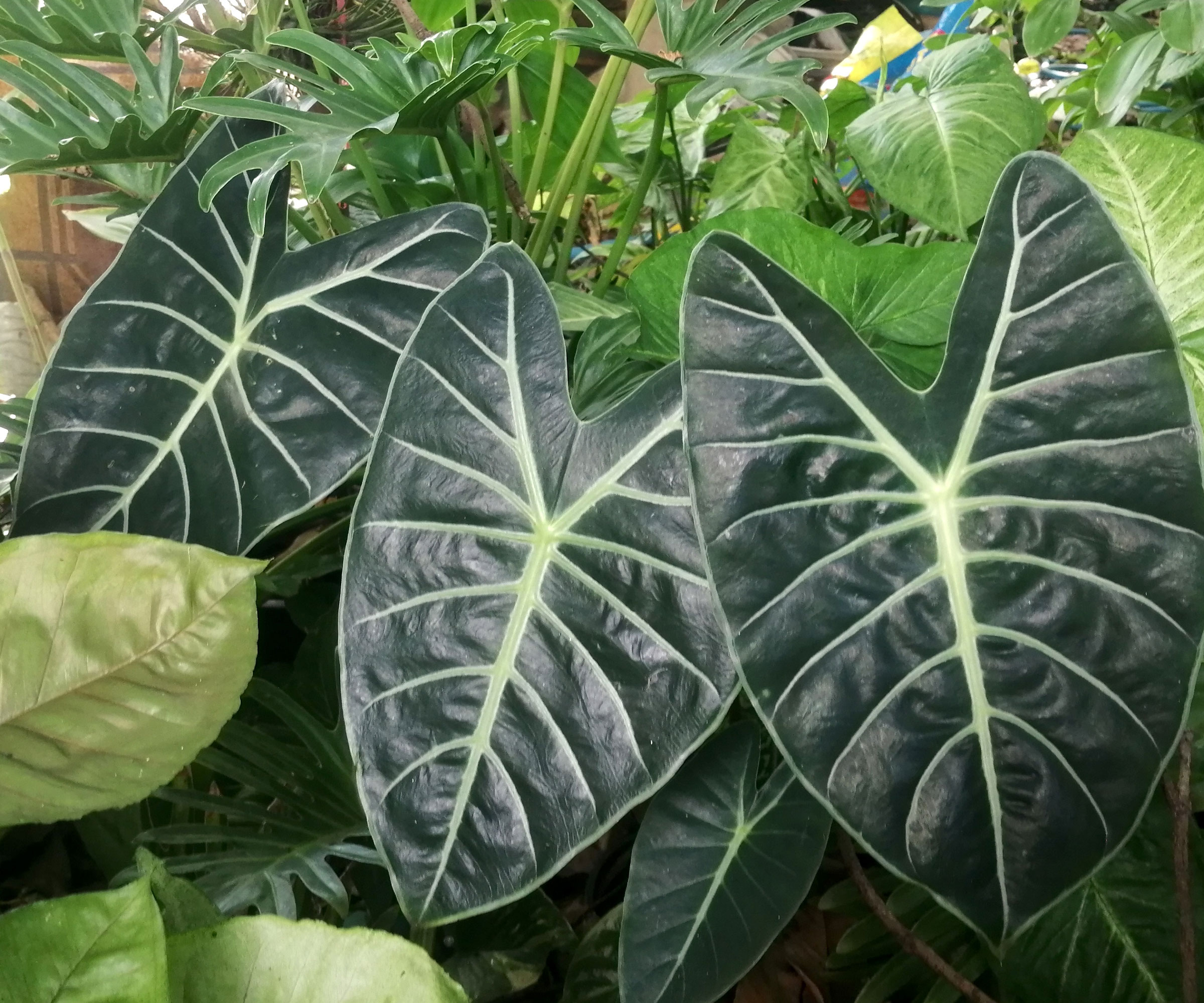
Alocasia, or elephant ear plants, require humidity levels around 60% or higher. Their large, thin leaves lose moisture quickly, so maintaining high humidity is crucial. Signs of low humidity include crispy or curling leaf edges and increased spider mite activity. Use chunky, quick-draining soil and avoid letting the pot dry out completely. Bathrooms are ideal locations for alocasia during the winter months. -
Anthurium
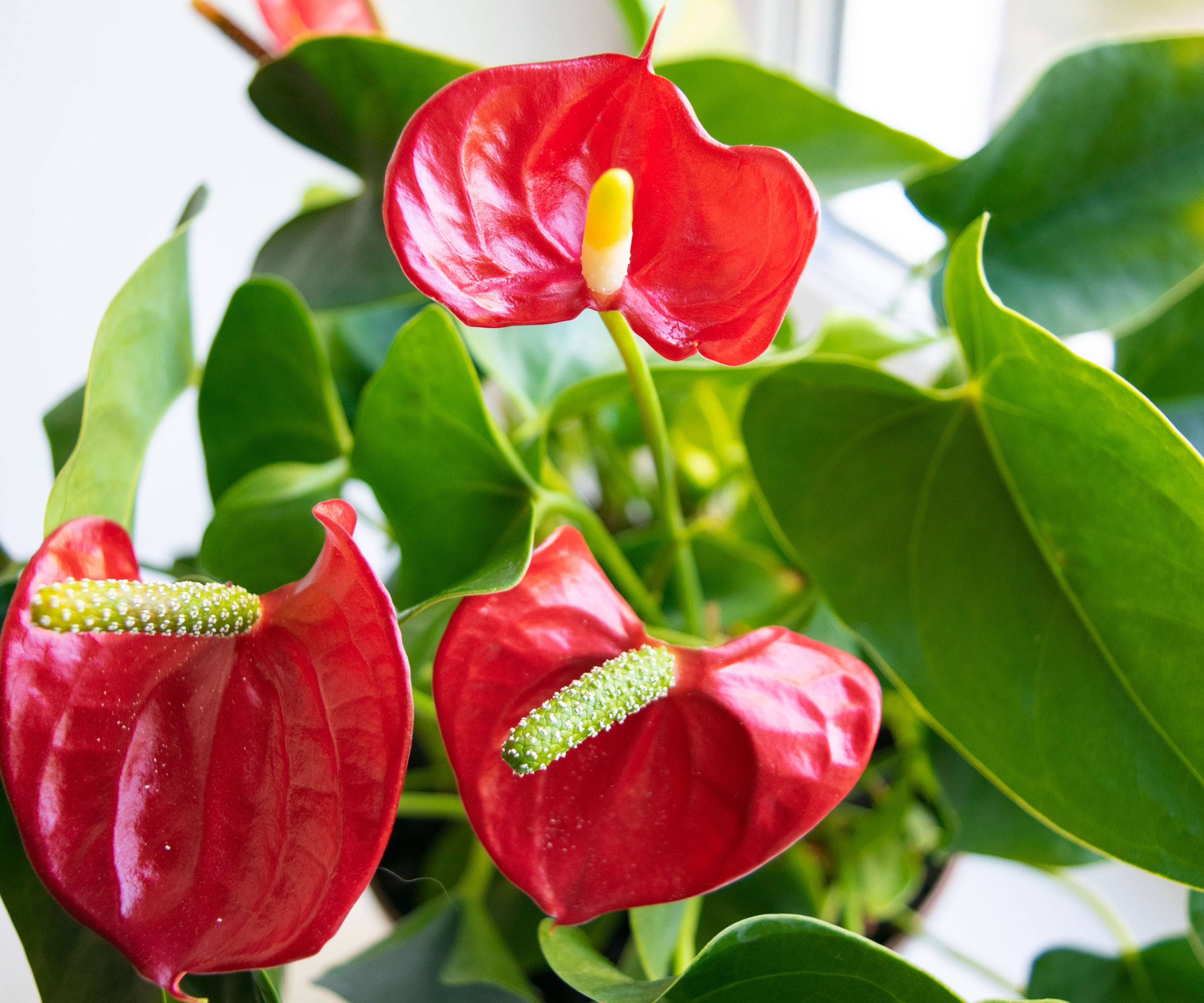
Anthuriums, native to the American tropics, require 60% to 80% humidity. Their thick, glossy leaves rely on high humidity to maintain shine and turgor. Signs of low humidity include brown leaf edges and dull foliage. Use a loose potting mix with orchid bark and perlite, and ensure good drainage to prevent overwatering. -
Philodendron & Monstera
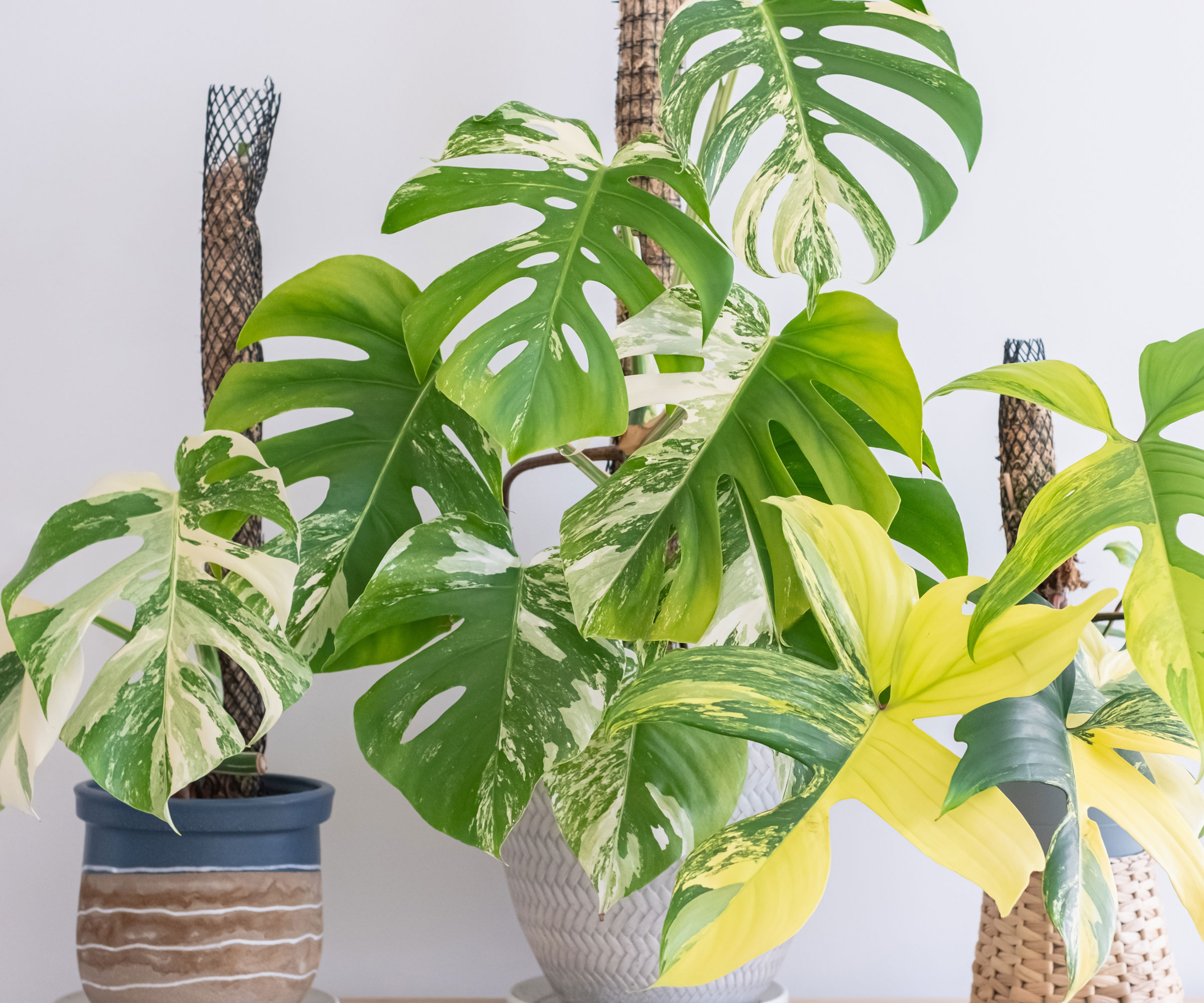
Philodendrons and monstera plants thrive in 60% humidity. Their aerial roots absorb moisture from the air, supporting large leaves and steady growth. Signs of low humidity include brown, crispy leaf edges and smaller mature leaves. Use a moss pole filled with sphagnum moss to create a microclimate around the roots.
How to Increase Humidity for These Plants
If your home has low humidity, there are several ways to increase moisture levels for your tropical houseplants:
- Pebble Trays: Fill a shallow tray with pebbles and water, then place the pots on top of the stones. Evaporating moisture boosts humidity around the leaves.
- Room Humidifiers: Use a compact cool-mist humidifier near your plants to maintain consistent humidity levels.
- Terrariums: Grow smaller plants in terrariums or humidity domes to create ideal microclimates.
- Moss Poles: Use moss poles filled with sphagnum moss to trap moisture around aerial roots.
- Bathrooms: Move plants to bathrooms during the driest months, as they naturally stay more humid.
- Proper Watering: Ensure your plants have good drainage but consistently moist soil to prevent stress.
By following these steps, you can create the ideal conditions for your tropical houseplants to thrive and remain healthy throughout the winter months.