The Benefits of Native Trees for Your Yard and Local Wildlife
A picturesque lawn can be a source of pride, but it may lack the vibrancy that comes with biodiversity. Grass-only yards can feel monotonous, especially if you're looking to create a space filled with color, birdsong, and wildlife. Adding native trees to your yard can help achieve this goal while also offering numerous benefits.
Native trees are not only visually appealing but also provide essential support for local ecosystems. They offer food, shelter, and habitat for various species, contributing to a more balanced and thriving environment. Additionally, they are well-adapted to your region's climate and soil conditions, making them easier to care for in the long run.
There are over 881 native tree species in the contiguous United States, each with unique characteristics and benefits. Choosing the right tree involves considering factors such as your local climate, the specific benefits you want to prioritize (like erosion control or attracting pollinators), and what works best for your yard.
Top Native Trees for Your Yard
White Alder
White alders (Alnus rhombifolia) are nitrogen-fixing trees that improve soil quality by adding nitrogen through their symbiotic relationship with bacteria. They also provide shelter for western tiger swallowtail butterflies and food for various animals. These trees are hardy in zones 6 to 10 and are native to the western United States.
Desert Willow
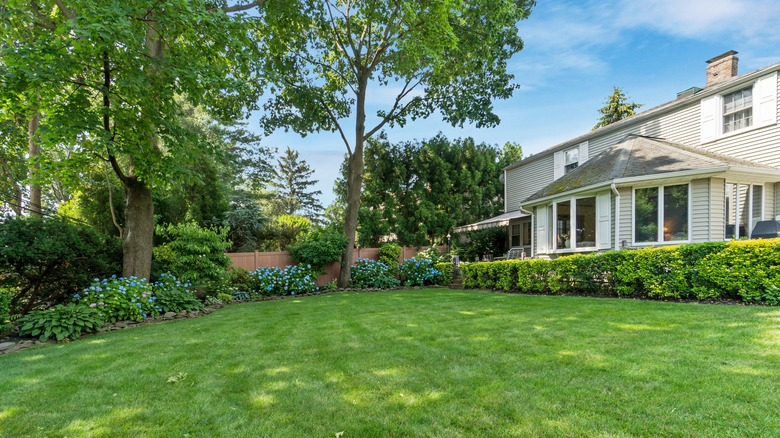
Desert willows (Chilopsis linearis) attract pollinators like hummingbirds and butterflies with their beautiful flowers. They also feed seed-eating birds and can help control erosion. Native to the southwestern United States, these trees thrive in zones 7 through 11.

Black Willow
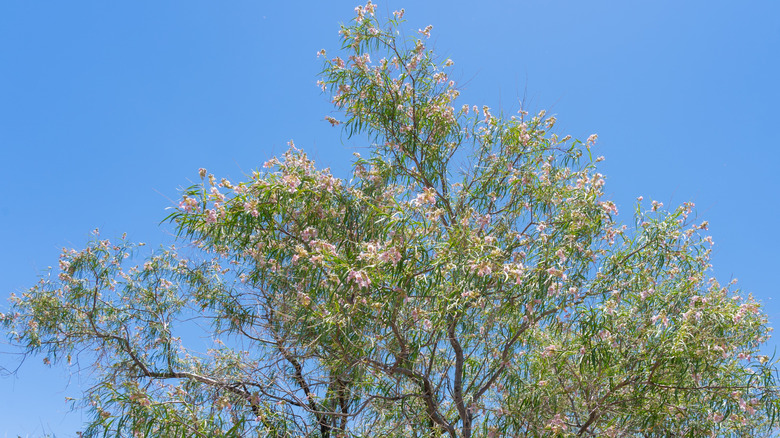
Black willows (Salix nigra) are native to the eastern and central United States and are hardy in zones 4 to 9. Their intricate root systems help prevent soil erosion, and they provide early spring nectar for honey bees. Later in the year, their twigs and leaves serve as food for mammals.
Red Maple
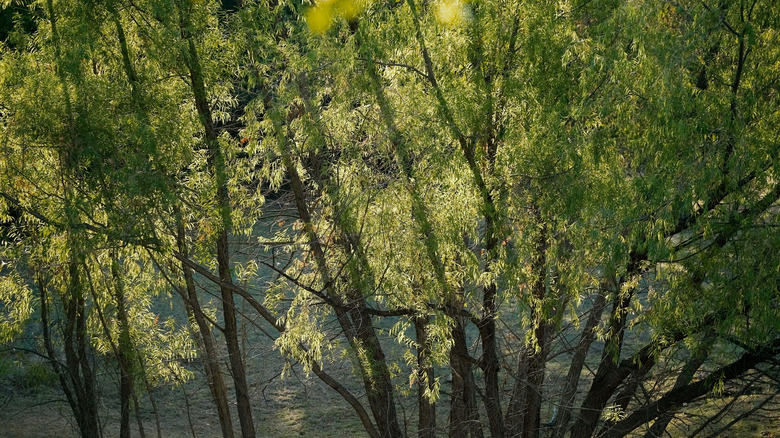
Red maples (Acer rubrum) are known for their striking foliage and are native to the eastern and central United States. They provide food and shelter for a variety of animals and are hardy in zones 2 to 9.
Western Redbud
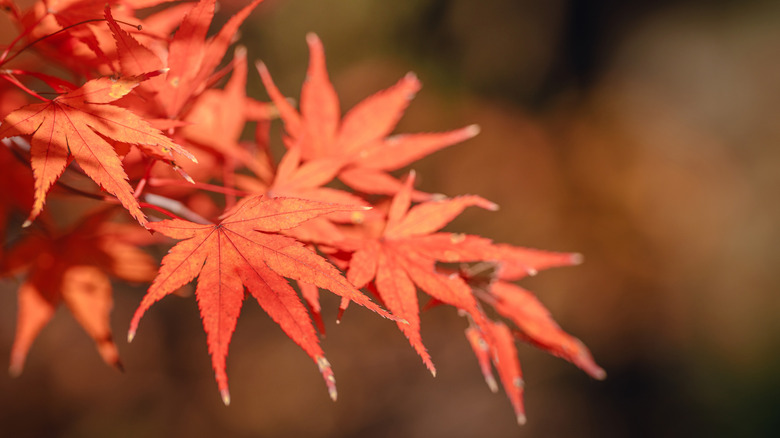
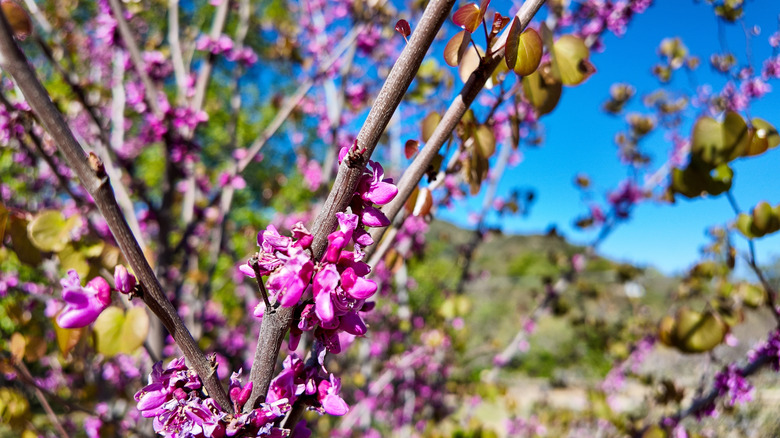
Western redbuds (Cercis occidentalis) produce clusters of pink-purple flowers that attract pollinators like hummingbirds, bees, and butterflies. These nitrogen-fixing trees are native to the southwestern United States and are hardy in zones 6 to 9.
Blackgum
Blackgum (Nyssa sylvatica) is a tree that supports a wide range of wildlife, including bees, songbirds, turkeys, bears, foxes, and opossums. It also provides shelter for tree frogs and bats. Native to the central and eastern United States, blackgum is hardy in zones 4 to 9.
Flowering Dogwood
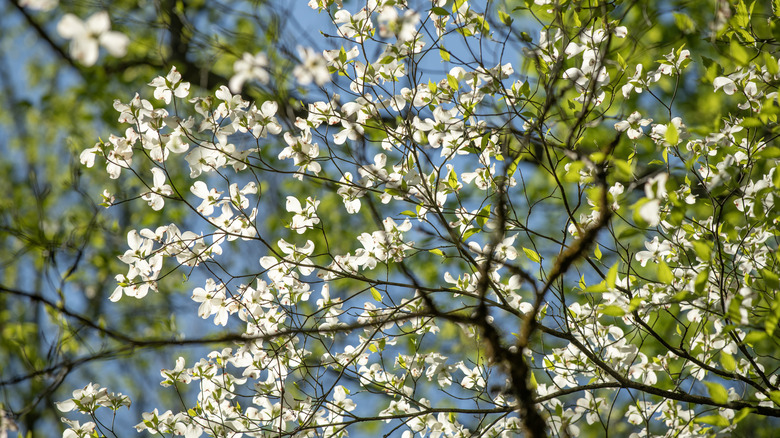
Flowering dogwoods (Cornus florida) are popular for their white spring flowers and fall fruit. They attract songbirds, game birds, and native mammals, and their roots help control erosion. These trees are hardy in zones 5 through 9.
Black Walnut
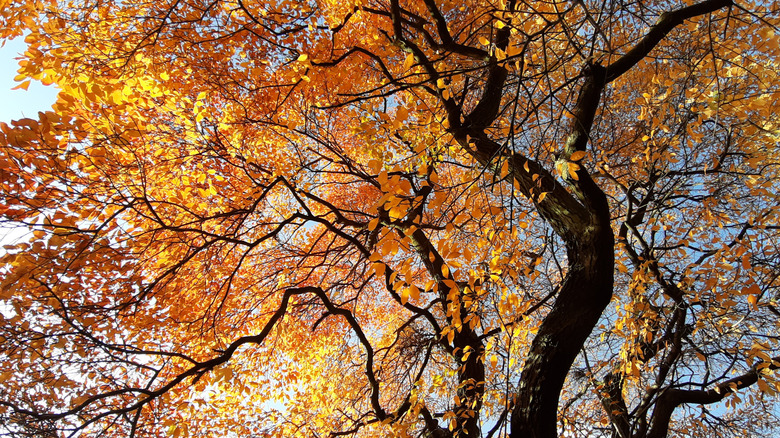
Black walnut trees (Juglans nigra) release compounds into the soil that act as a natural fertilizer. They provide food for squirrels and are host plants for moths and butterflies. Native to the southern United States, they are hardy in zones 4 through 9.
American Elm
American elms (Ulmus americana) are large trees that provide ample shade and support a variety of insects, including pollinators. They help filter water and keep the soil in place. Native to the eastern United States, they are hardy in zones 3 to 9.

Sweet Bay Magnolia
Sweet bay magnolias (Magnolia virginiana) are native to the eastern United States and have eye-catching, sweet-smelling flowers. They are host plants for various butterflies and provide food for wildlife with their seeds. These trees are hardy in zones 5 to 10.

Red Mulberry
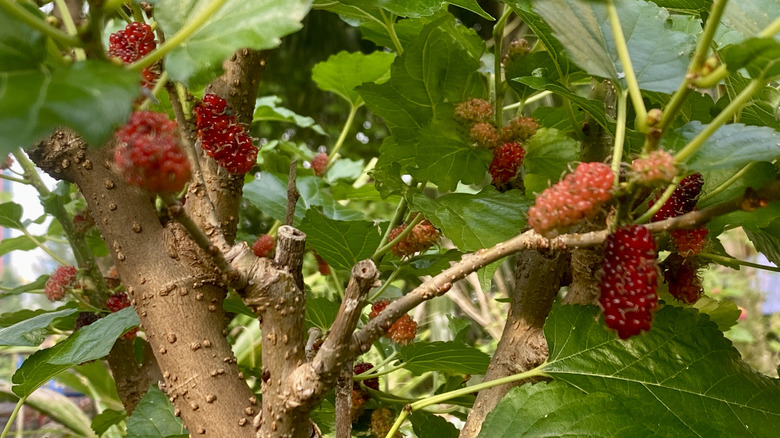
Red mulberry trees (Morus rubra) produce edible fruit that attracts birds and mammals. They improve soil health through their decomposing leaves and deep root system. Native to the central and eastern United States, they are hardy in zones 4 through 9.

White Oak
White oaks (Quercus alba) support at least seven species of moth and provide acorns for mammals, songbirds, and gamebirds. They help reduce erosion and add nutrients to the soil. Native to the central and eastern regions of the United States, they are hardy in zones 3 through 9.
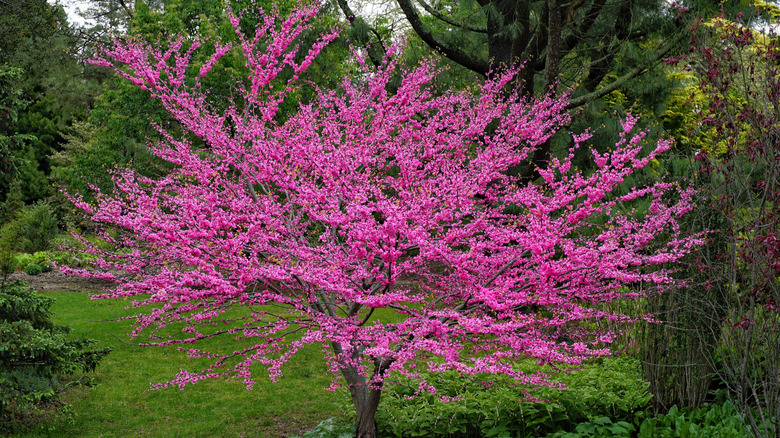
Eastern Redbud
Eastern redbuds (Cercis canadensis) are similar to western redbuds but have a larger climate range, being hardy in zones 4 through 9. They attract pollinators and offer other soil benefits through their roots and leaves.

Wax Myrtle
Wax myrtles (Myrica californica) are nitrogen-fixing trees that provide food for birds and support butterflies and moths. Native to California, Oregon, and Washington, they are hardy in zones 7 through 9.
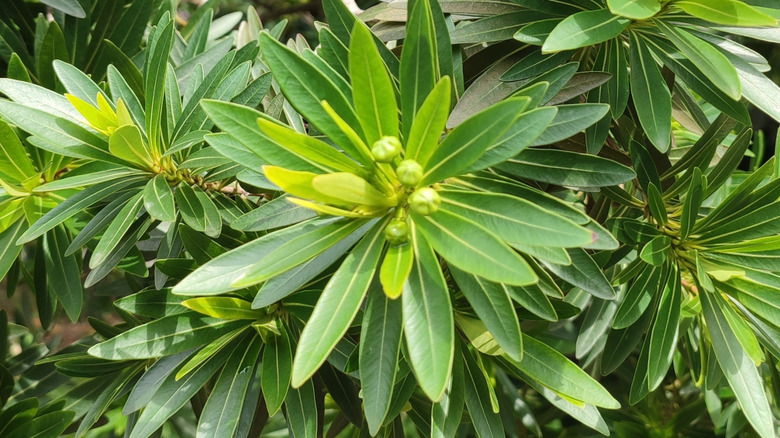
American Holly
American holly (Ilex opaca) is an evergreen native to the central and eastern United States. It provides shelter for local species and food for insects, mammals, and birds throughout the year. It is hardy in zones 5 through 9.
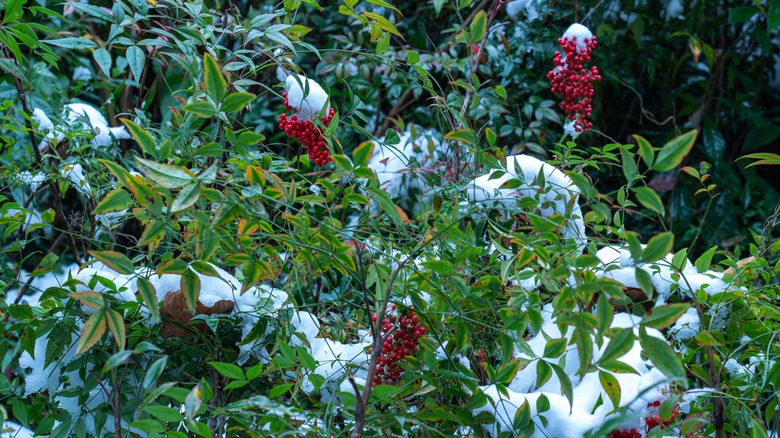
Black Cherry
Black cherry trees (Prunus serotina) are toxic to humans but provide food for cedar waxwings, songbirds, and mammals. They also help control erosion. Native throughout much of the country, they are hardy in zones 2 through 8.
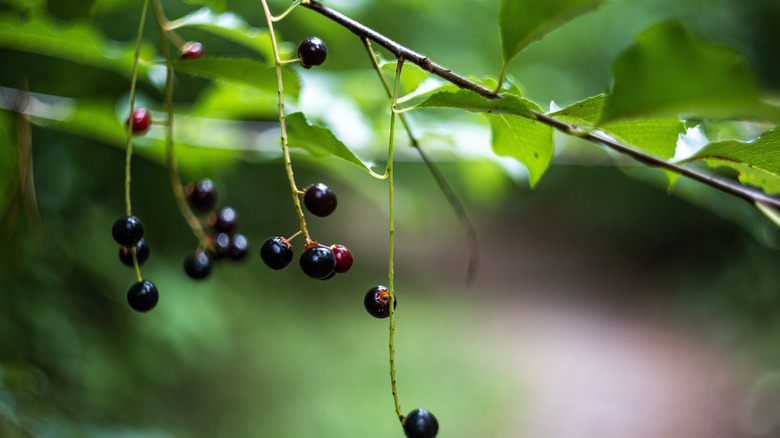
Red Alder
Red alders (Alnus rubra) are nitrogen-fixing trees that boost soil nitrogen levels. They are native to the western United States and are hardy in zones 5 and 6. They provide food for deer and finches.
Ponderosa Pine
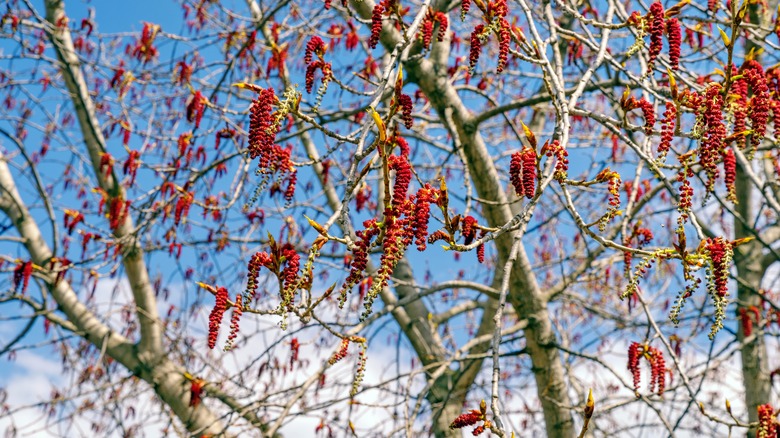
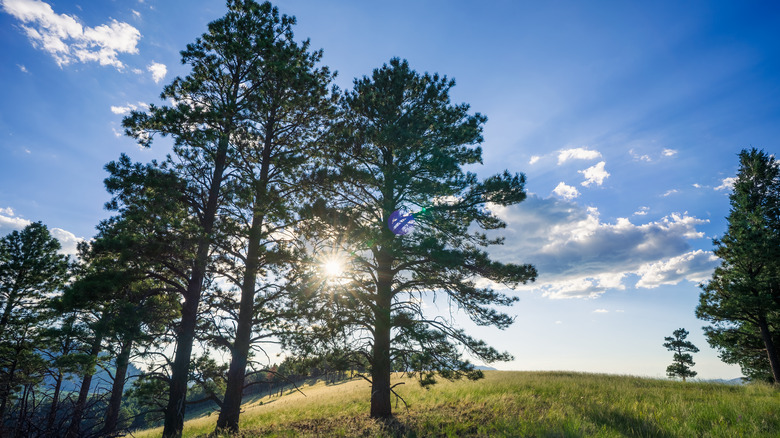
Ponderosa pines (Pinus ponderosa) are tall trees native to the western United States. They provide wind protection, control erosion, and support a variety of birds and mammals. They are hardy in zones 3 to 7.
Longleaf Pine
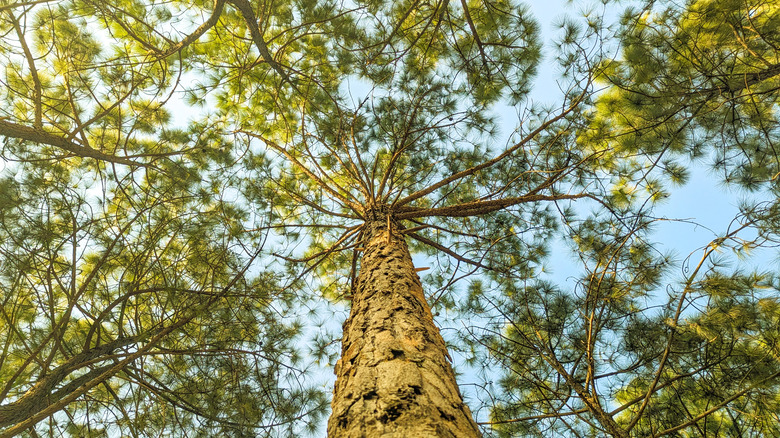
Longleaf pines (Pinus palustris) are native to the southeastern United States and provide shelter for the endangered red-cockaded woodpecker. They also support moths, foxes, squirrels, gamebirds, and songbirds. Pine straw is an excellent organic mulch option.
Anacacho Orchid
Anacacho orchids (Bauhinia lunarioides) are small trees native to Texas that bloom with show-stopping flowers loved by pollinators. They are nitrogen-fixing and hardy in zones 9 through 11.
Texas Mountain Laurel
Texas mountain laurels (Sophora secundiflora) are native to the American southwest and provide nitrogen to the soil. They have stunning flowers and are hardy in zones 7 to 10.

Pawpaw
Pawpaw trees (Asimina triloba) are favorite food sources for many insects and provide food for mammals, songbirds, and gamebirds. They are native to the United States and hardy in zones 5 through 9. They also help control erosion in prone areas.
