
Whether you're a passionate gardener or simply enjoy the beauty of well-landscaped spaces, planting a tree in your backyard can be an appealing choice. Trees provide shade, privacy, and enhance the overall appearance of a garden. However, choosing the right tree is essential, as there are more factors to consider than just aesthetics.
Many trees that look beautiful might cause serious problems when planted near property lines. For instance, a grand oak tree may appear majestic in a park, but it may not be suitable for a residential garden. The root systems of certain trees can grow widely and aggressively, potentially damaging patios, driveways, and even house foundations if not carefully considered.
From weeping willows to silver maples, several popular trees require careful evaluation before being planted. Here are six trees that should be avoided in your yard:
Weeping Willow
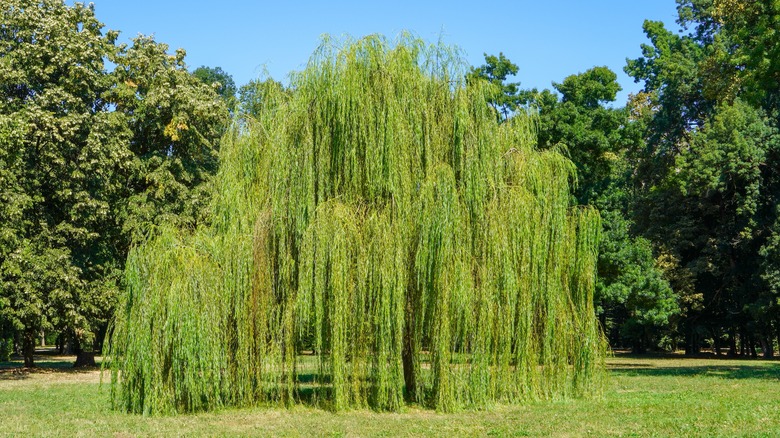
Weeping willows are elegant trees that may seem like a great addition to your backyard. However, they are not practical choices and can cause significant issues once fully grown.
The Latin name for the weeping willow is Salix babylonica, and while it supports pollinators like bees and butterflies, it requires a lot of water. This leads to an extensive root system that can damage patios, pipes, and driveways. These trees can grow over 40 feet tall, making them difficult to manage. They also have a short lifespan and are prone to fungal diseases such as black canker and willow scab. Unless you have a large space and the patience to maintain them regularly, it's best to avoid weeping willows.
Oak

Oaks are often seen as ideal trees for shading and relaxation. However, their massive size and extensive root systems can lead to problems if planted near a house.
The Latin name for the oak is Quercus, and these trees can grow over 100 feet tall with trunks up to 6 feet in diameter. Their roots spread widely, potentially causing subsidence and damaging foundations. In stormy weather, branches can break, leading to potential injury or damage. If you want a tree for shade, consider visiting a park rather than planting one in your backyard.
Silver Maple

Silver maples are fast-growing trees that provide quick shade. However, their brittle wood makes them prone to breaking, especially in storms. Their shallow, extensive root systems can damage lawns and make mowing difficult.
The Latin name for the silver maple is Acer saccharinum, and it can grow up to 40 feet tall in 10 to 20 years. While attractive, the risks associated with its structure and roots make it a poor choice for residential gardens.
Ash

Ash trees are visually appealing but face a major threat from the emerald ash borer beetle. This invasive pest has devastated ash populations across America and Europe. Infestations require regular treatment, which can be costly and time-consuming. Planting an ash tree near your home is not advisable due to the risk of infestation and the need for constant care.
Mulberry

Mulberry trees are attractive and produce delicious fruits, but they come with several drawbacks. The dark-colored berries can stain patios, driveways, and other surfaces. They also spread easily, with some species like the white mulberry being invasive. Their roots can damage concrete, making them unsuitable for many gardens.
Mimosa
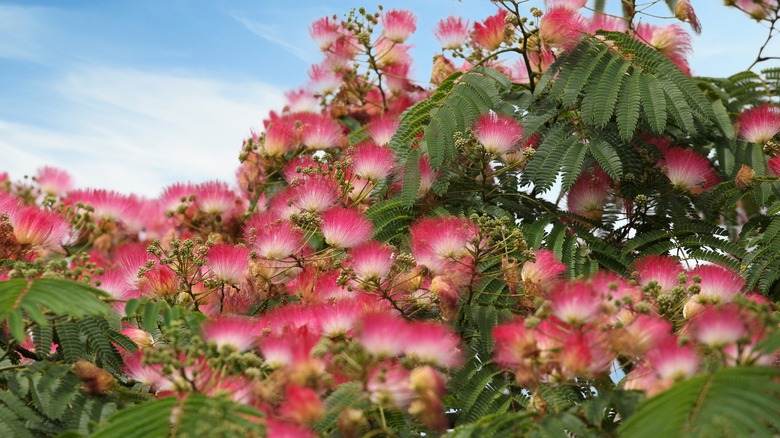
Mimosa trees have beautiful pink flowers in early summer, but they come with significant downsides. The seed pods are toxic to animals and can sprout easily, creating a mess in your garden. Their brittle wood makes them prone to breaking, especially in harsh weather. A falling mimosa tree can cause damage, making it a risky choice for residential areas.
By avoiding these six trees, you can ensure a safer and more manageable garden environment. Always research the characteristics of any tree before planting it to prevent future complications.