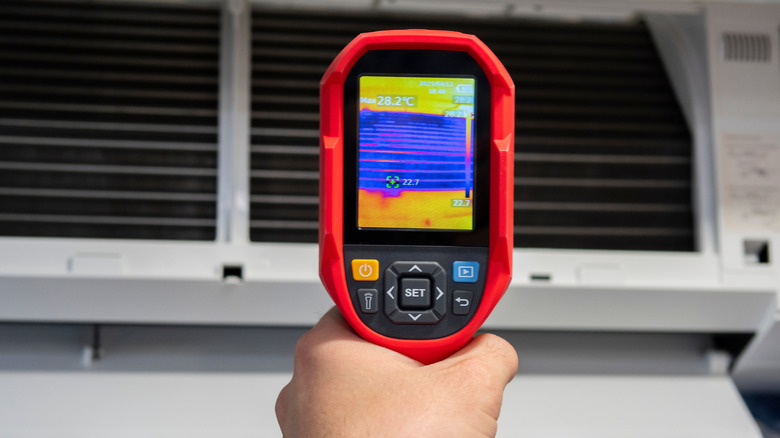
Thermal cameras are often overlooked as household gadgets, but they can be incredibly useful for a variety of home and garage applications. While the initial investment might seem steep, the benefits of having a thermal camera can make it well worth the cost. Unlike some apps that claim to turn your phone into a thermal camera, these apps only work if your phone has built-in thermal capabilities. However, there are standalone thermal cameras available that offer more reliable performance.
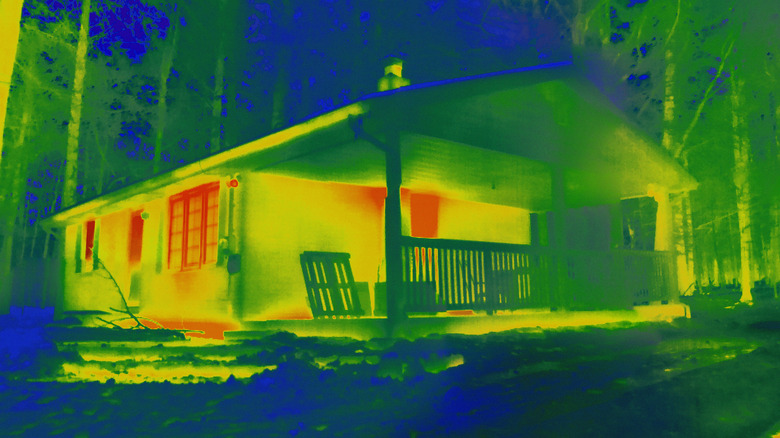
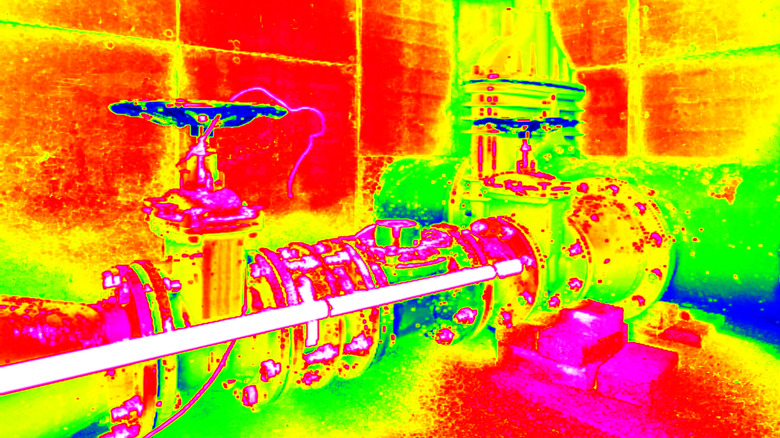
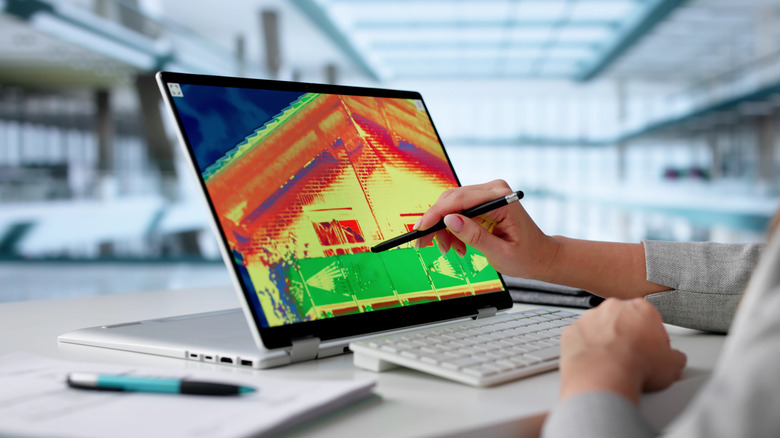
Thermographic or infrared cameras detect heat or infrared light and display temperatures on a screen with distinct color differences. This technology can be used in various ways around your home and garage. Here are some practical applications:
Detect Water Leaks
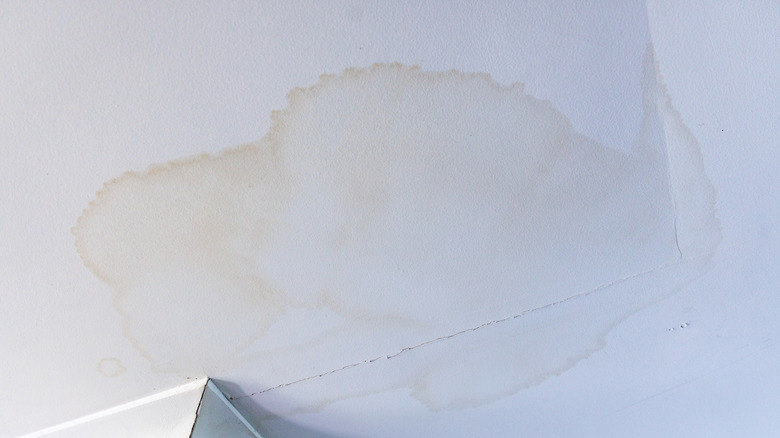
Water leaks can be silent and difficult to detect until the damage becomes severe. A thermal camera can help identify leaks by detecting temperature differences. Water holds onto heat longer than air, so a leak might appear as a hot spot. Conversely, frozen water could show up as a cold spot. Regular checks with a thermal camera can help you establish a baseline and spot anomalies more easily.
Look for Energy Seepage
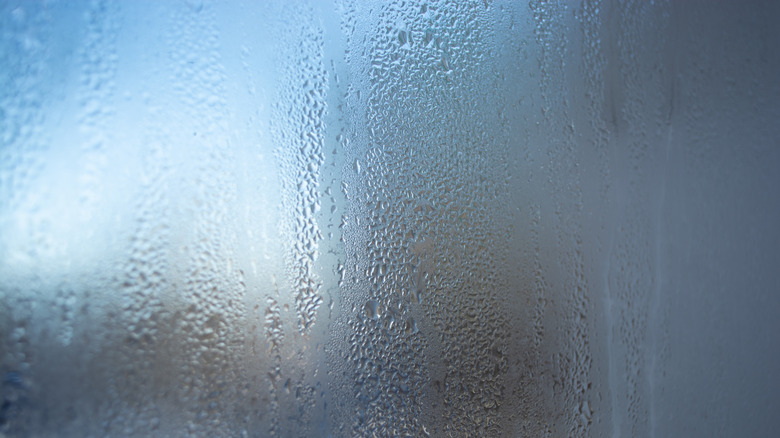
Energy seepage can lead to higher utility bills. Using a thermal camera to scan your home during extreme weather conditions can reveal where cool air is entering or warm air is escaping. This information can guide you in making energy efficiency improvements, such as adding insulation or sealing gaps around doors and windows.
Scan for Cold Spots
A thermal camera can also be used outside your home to check for energy discrepancies. By scanning from the outside, you can identify areas where insulation might be lacking. For example, if you notice cooler spots near doors or windows, it might indicate the need for additional insulation or sealant.
Inspect for Pests
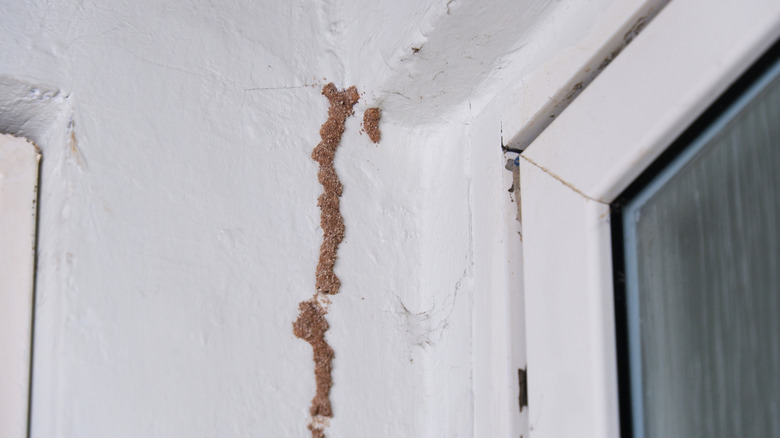
Pests like termites, mice, and rats can be detected using a thermal camera. Termites generate heat, and their presence might show up as a heat signature. Similarly, warm-blooded pests will create noticeable temperature differences. Regular scans can help confirm whether your home is at risk of infestation.
Evaluate HVAC Systems
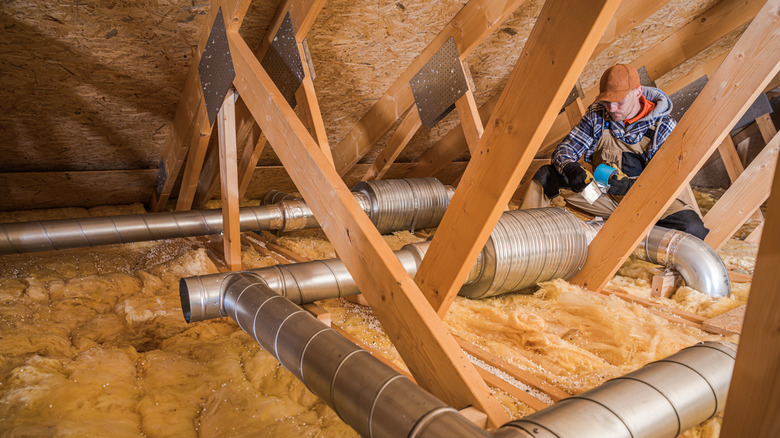
Thermal cameras can help identify issues with your heating, ventilation, and air conditioning (HVAC) system. Scanning ducts while the system is running can reveal where air is leaking out. Poor connections or inefficiencies in the system might also be visible, allowing you to address them before they become major problems.
Scan for Insufficient Insulation
Insulation is crucial for energy efficiency. A thermal camera can help determine if your walls have adequate insulation by showing temperature inconsistencies. While it cannot see through walls, it can provide insights into how well your home retains heat or cool air.
Zero in on Septic Systems
Thermal cameras can assist in locating septic pipes by detecting temperature differences. Although the temperature changes might be subtle, they can still provide clues about the location of pipes, especially when they are active.
Monitor Plant Health
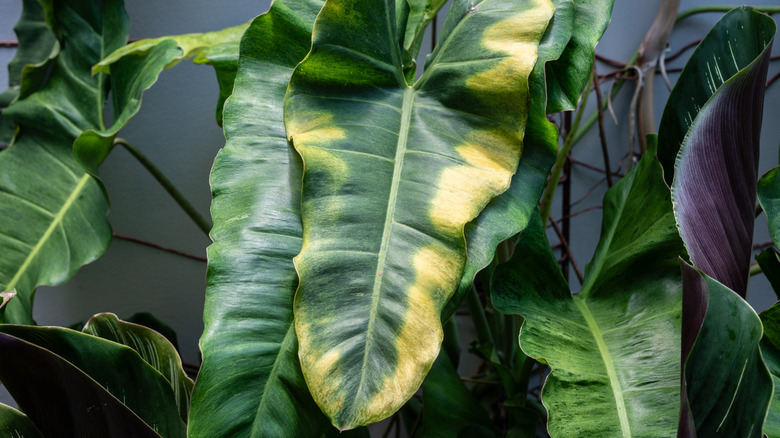
Plants can be sensitive to temperature changes. A thermal camera can help determine the best location for your plants by showing temperature variations. It can also detect heat spikes that might indicate sunburn, helping you protect your plants from damage.
Compare Brake Heat
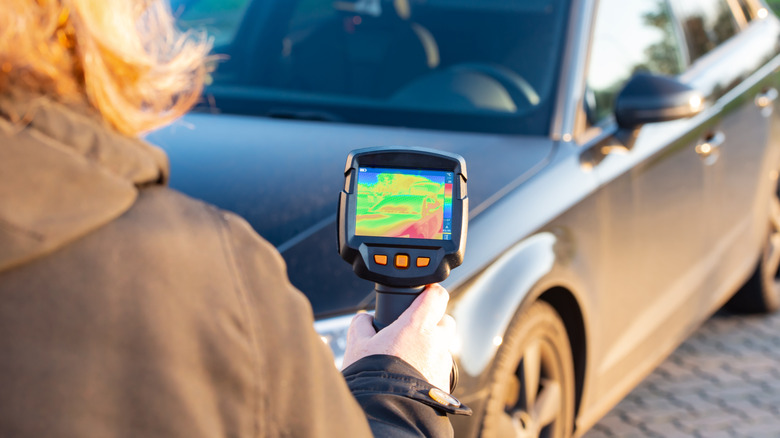
In the garage, a thermal camera can be used to check your car's brakes. After a long drive, your brakes will be hot. A difference in temperature between wheels might indicate uneven wear on brake pads. This can help you identify potential issues before they become serious.
Check for Electrical Risks
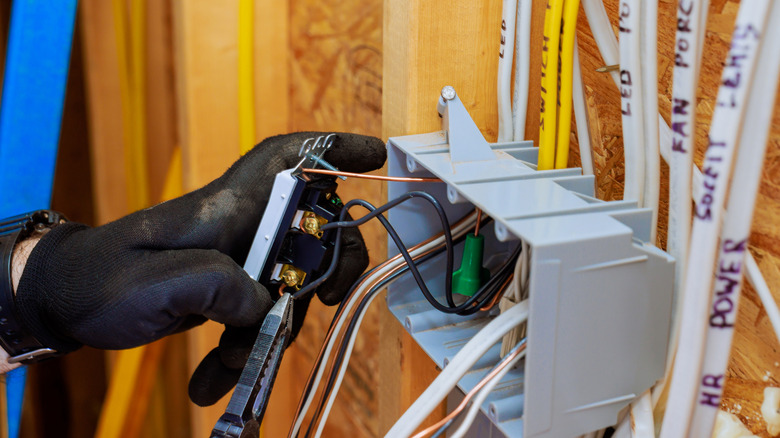
Thermal cameras can detect overheating wiring, which can be a fire hazard. While they are not a substitute for professional electrical inspections, they can help identify problem areas that may require further attention.
Look for Misfiring Cylinders
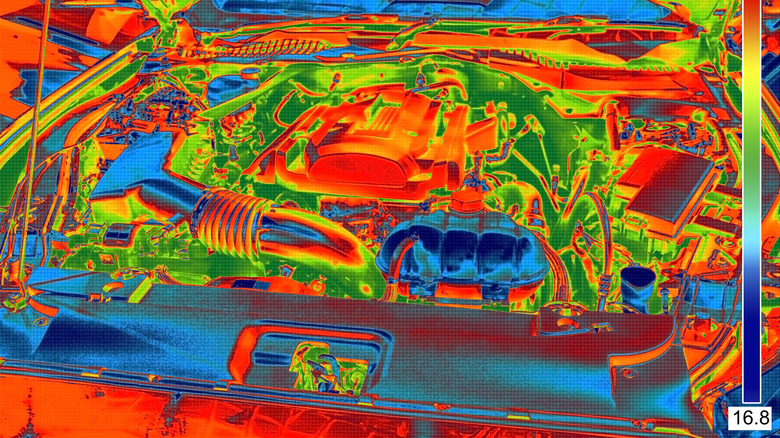
A thermal camera can help diagnose engine issues, such as misfiring cylinders. A misfiring cylinder might appear as a cooler spot in an otherwise hot engine. This can help you pinpoint the issue and take appropriate action.
Troubleshoot Air Vent Concerns
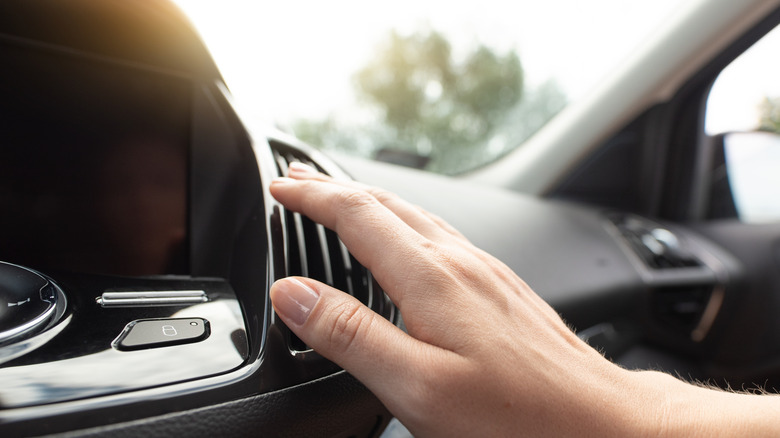
Thermal cameras can be used to check the performance of your car's HVAC system. By comparing temperatures, you can determine if the AC or heater is functioning properly. This can help you identify obstructions or other issues affecting airflow.
General Home Inspections
For home buyers, renters, or realtors, a thermal camera can be a valuable tool during property inspections. It can help identify potential issues that might affect the value or safety of a home. Some home inspectors rely on thermal imaging to provide a more comprehensive assessment.