Renting a home or apartment can be a more stress-free alternative to owning, as it eliminates the burden of maintenance and repairs. However, tenants still have responsibilities in ensuring their rented space remains clean, safe, and healthy. While landlord-tenant laws vary by state, there are general guidelines that apply across the board. As a tenant, you're typically responsible for maintaining your living space and promptly reporting any issues. One important aspect of this responsibility is preventing mold growth, which can be harmful to both your health and the condition of your home.
Mold spores are present everywhere, but they only grow under specific conditions—primarily high moisture levels. Controlling humidity is key to preventing mold. There are several renter-friendly strategies you can implement to keep your home dry and mold-free.
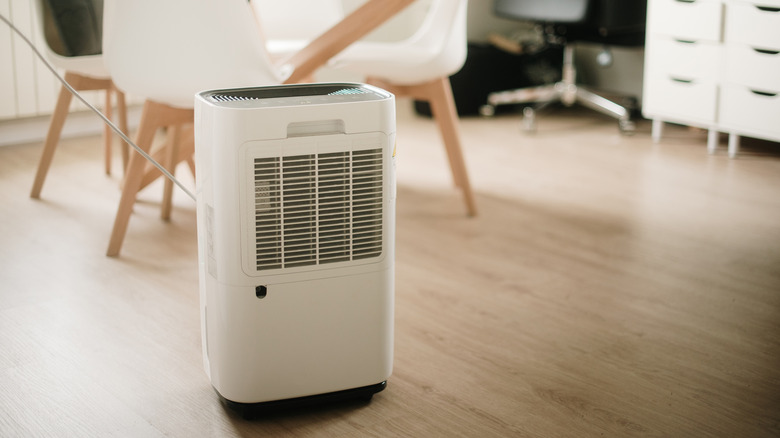
Run a Dehumidifier in Overly Damp Areas
High relative humidity inside your rental home contributes significantly to mold growth, especially when it reaches 60% or higher. Keeping the humidity level between 30% and 50% helps reduce the risk of mold. You can monitor the humidity with a hygrometer. A simple solution is to use a dehumidifier, which removes excess moisture from the air. Portable models can be placed in areas where dampness is common, such as basements or common spaces. If you have a drain available, consider a model with a connected hose for continuous drainage. Otherwise, you'll need to empty the water container regularly.
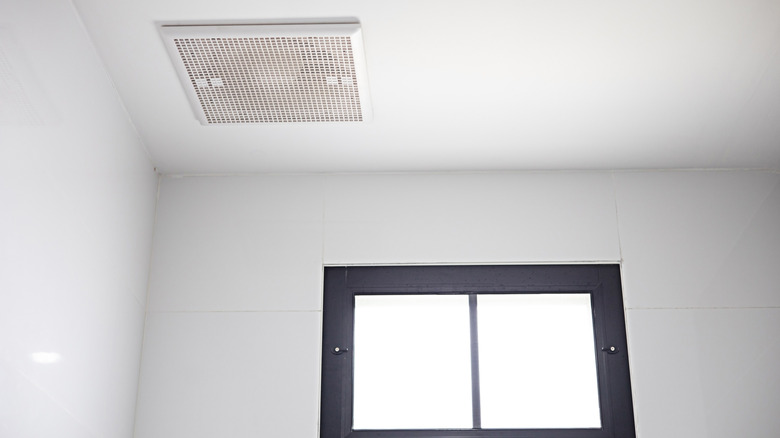
Use the Exhaust Fans in the Bathroom and Kitchen
Daily activities like showering and cooking generate extra moisture, which can lead to mold growth. Bathroom exhaust fans help remove this moisture, reducing the risk of mold. Similarly, kitchen exhaust fans over the stove not only remove smoke and odors but also eliminate cooking-related moisture. These fans are typically vented outdoors, so the moisture doesn’t recirculate. If your home lacks these fans, consider having them installed. For bathrooms, run the fan for about 20 minutes after showering. In the kitchen, turn on the fan while cooking and leave it running for 15 minutes afterward.
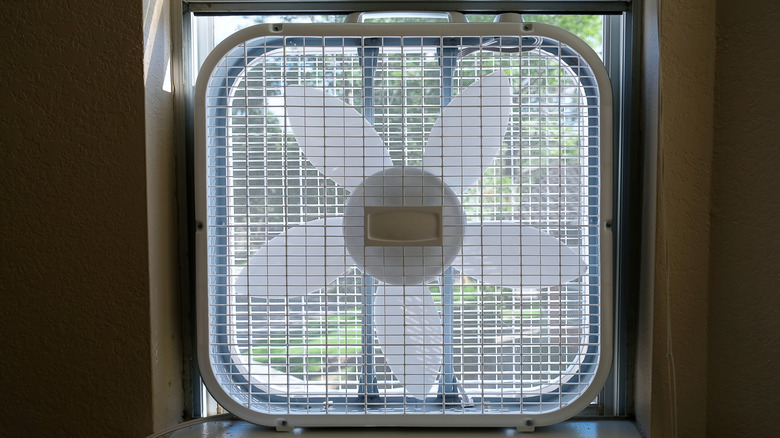
Open Windows and Run Fans to Improve Ventilation
Improving ventilation is an effective way to naturally dehumidify your home. Introducing fresh air through open windows and fans helps dry the air and keeps mold spores from settling. In areas without exhaust fans, opening windows allows drier air to enter. Using ceiling or portable fans in moist areas increases airflow and helps manage moisture. Combining fans with open windows can enhance drying. Opening internal doors also allows fresh air to circulate throughout the house.
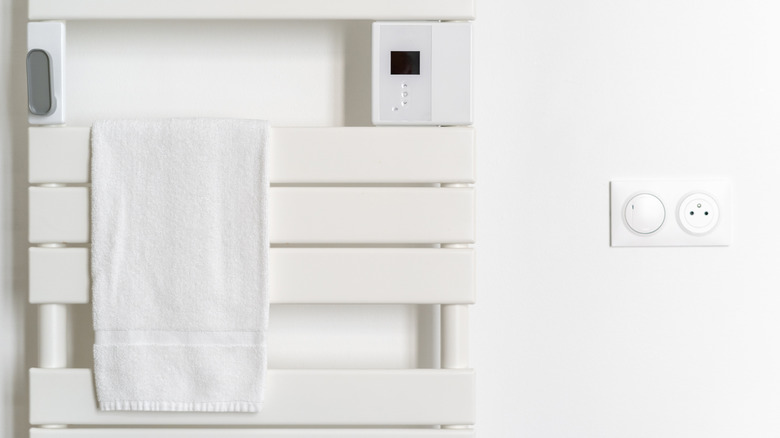
Hang Clothes and Towels to Dry
Throwing wet clothes and towels into the hamper can promote mold growth. Damp fabric is an ideal environment for mold. Instead, hang clothes on a drying rack or outdoor clothesline before placing them in the hamper. Towels should be stored on a towel bar rather than hooks to allow better air circulation and faster drying.
Wipe Moisture Quickly
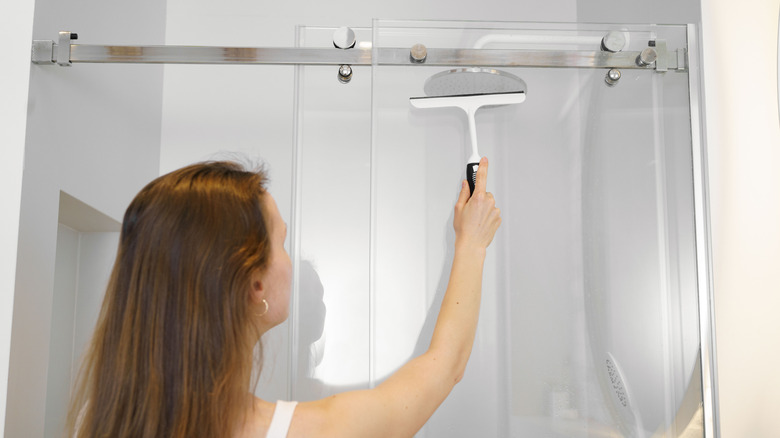
Water spills, even small ones, can increase indoor humidity and lead to mold. Use a squeegee or cloth to dry surfaces like shower walls and floors. Mop up puddles immediately and ensure towels are fully dry before putting them in the hamper. Wiping spills prevents mold from growing in porous materials like wood or tile grout.
Choose a Moderate Temperature for Your Rental
Mold thrives in temperatures between 60 and 80 degrees Fahrenheit. Keeping your thermostat around 68 to 70 degrees during summer can help reduce mold risk. Avoid lowering the temperature below 60 degrees, as this can cause condensation. In winter, setting the thermostat to 72 degrees keeps the space warm while minimizing mold growth.
Report Leaks to Your Landlord Immediately
Your landlord is responsible for fixing leaks that could lead to mold. Notify them as soon as you notice signs of leaks, such as increased moisture, peeling paint, or unusual smells. Document the issue with photos and written communication. Prompt repairs reduce the risk of major mold problems.
Clean Bathrooms and Kitchen Regularly
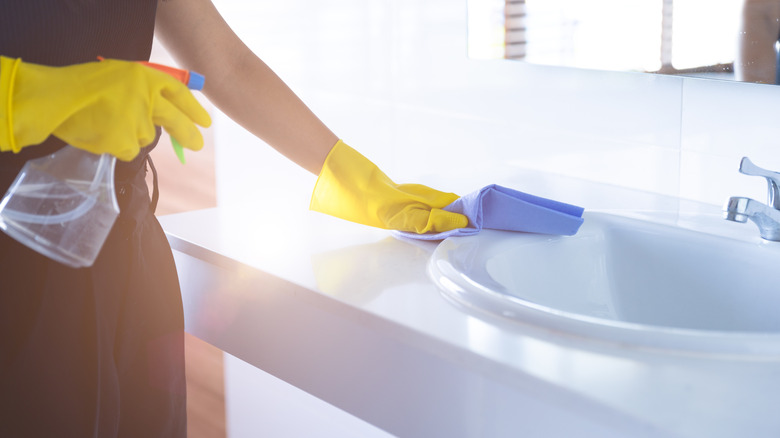
Kitchens and bathrooms are prone to mold due to high moisture levels. Regular cleaning removes organic matter that mold feeds on. Wipe kitchen surfaces after cooking, change sponges frequently, and avoid leaving dishes unwashed. In the bathroom, limit items on shower shelves and disinfect weekly.
Dry and Clean the Seals on In-Unit Washers
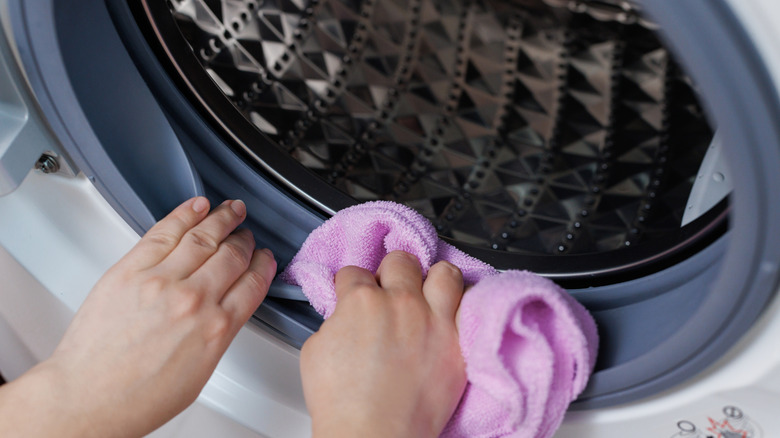
Front-loading washing machines have seals that can trap moisture and mold. Wipe and dry the gasket regularly, and leave the door open after use. Clean the detergent dispenser monthly and check the dryer’s lint trap to prevent moisture buildup.
Run Your Air Conditioner Regularly When It's Hot
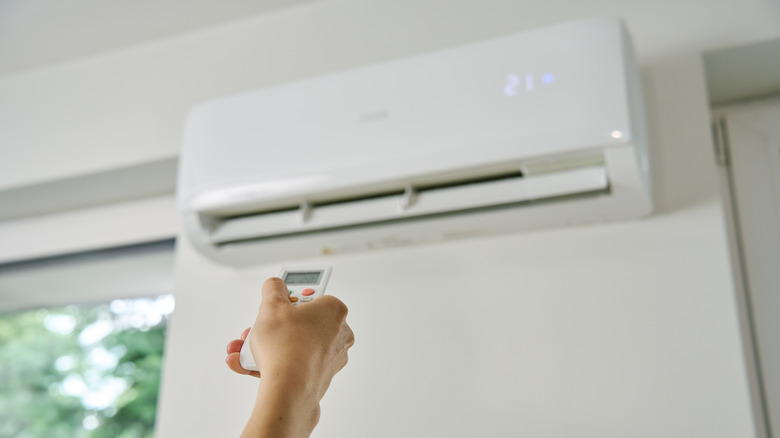
Running your air conditioner during hot, humid weather helps dehumidify your home. The AC pulls moisture from the air while cooling it, reducing mold risk. Keep the AC running even when you're away to maintain optimal conditions.
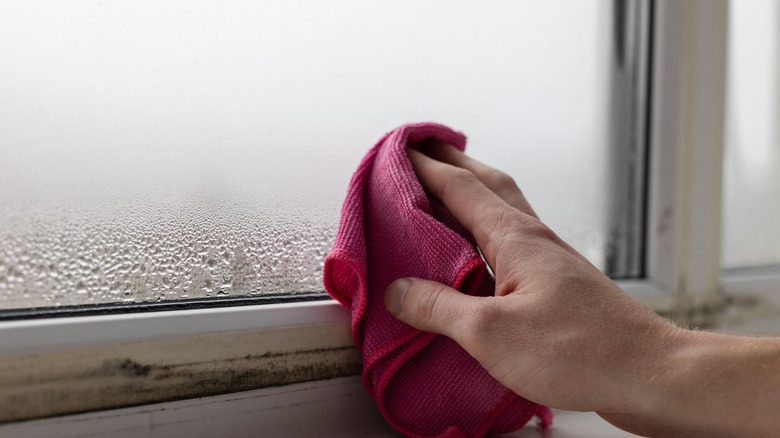
Wipe Condensation Off Windows and Other Surfaces
Condensation on windows can lead to mold growth. Use a squeegee or microfiber cloth to remove moisture. If condensation forms between window panes, report it to your landlord. Improving ventilation can also help reduce condensation.
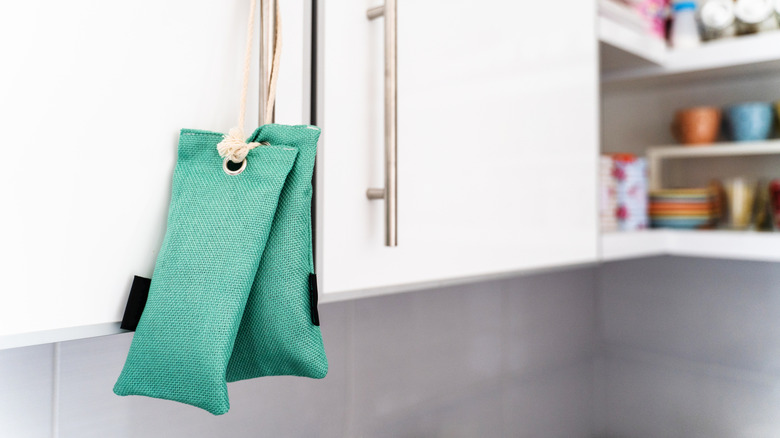
Use Moisture-Absorbing Sachets and Other Products
Desiccants like activated charcoal and silica gel can absorb moisture in enclosed spaces. Products like Clevast Moisture Absorbers or DampRid are useful for closets and cabinets. These products help maintain dry conditions in areas with limited ventilation.
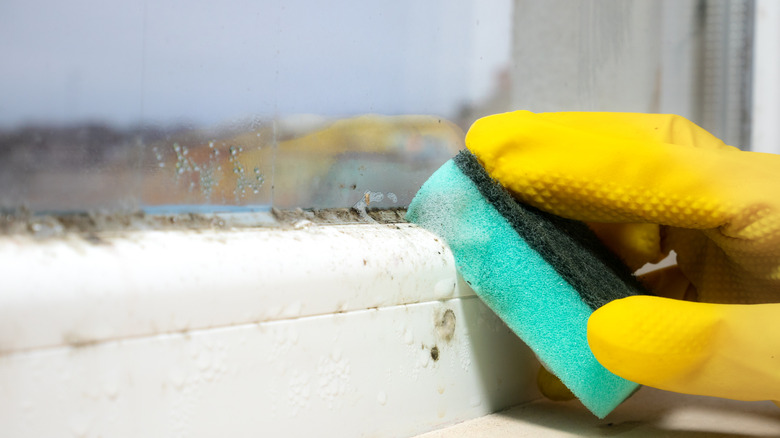
Address Mold Quickly So It Doesn't Spread
Even with preventive measures, mold can still appear. Identify and clean it immediately to prevent it from spreading. If mold covers more than 10 square feet, professional remediation may be necessary. Fixing the root causes, like plumbing leaks, is essential to prevent recurrence. Work with your landlord to address these issues.