 Talking on your cellphone
Most people use their cellphones while shopping, often multitasking or simply engaging in constant communication. However, retail employees often find these conversations distracting and annoying. When someone talks loudly on the phone, it can disrupt both the staff and other shoppers.
Michael Heflich, a former Pep Boys employee, explains that it's similar to a cashier taking a personal call at work. Customers would likely find that rude, and it's not much different from the experience of retail workers.
What to do instead
If you must take a call while shopping, step outside or find a quiet corner in the store and keep your voice low. Ideally, keep the call brief to minimize disruption.

Drinking from a water bottle, despite a “No food or drink” sign
Stores often have signs stating "No food or drink," but many people overlook them. Even if you're only drinking water, the rule still applies. Spills can lead to stains on delicate fabrics or potential slips on wet floors, which could result in injuries and legal issues.
Mac Steer, owner and director of Simify, emphasizes that these rules are in place for safety and convenience. Stores have policies for a reason, and they should be respected.
What to do instead
Keep all beverages and snacks in your car or bag. If you see a sign, follow it without exception. If someone points out the rule, apologize and put your drink away.

Assuming you don’t need an appointment for a service
Retail stores offering services like fittings or consultations often require appointments. Not making one can create awkward situations for both customers and staff.
Ginger King, president of cosmetic product development at Grace Kingdom Beauty Consulting, notes that this can leave staff in uncomfortable positions if their schedules are full. It also means that even if a consultation isn't happening, the staff may still be busy with sales targets.
What to do instead
Call ahead to check availability and make an appointment. This helps avoid awkwardness and ensures you receive the best service possible.
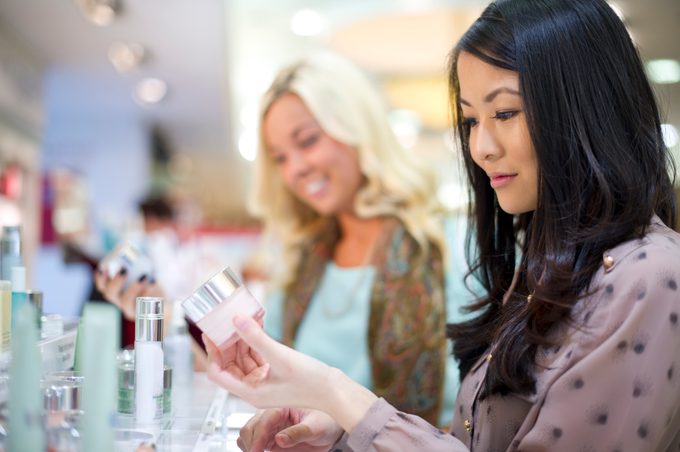
“Cashing in” on free services
While some services at retail stores are advertised as free, there is often an unspoken expectation that customers will purchase at least one product. Employees often go above and beyond to provide quality service, and it’s reasonable for them to expect a purchase.
“A good makeover takes at least 40 minutes,” King explains. “There is an unspoken expectation that the beauty advisor wants you to purchase [something], as they have goals to meet.”
What to do instead
Purchasing at least one product used during the service helps employees meet their sales goals. It’s also a polite gesture given the free service you received.
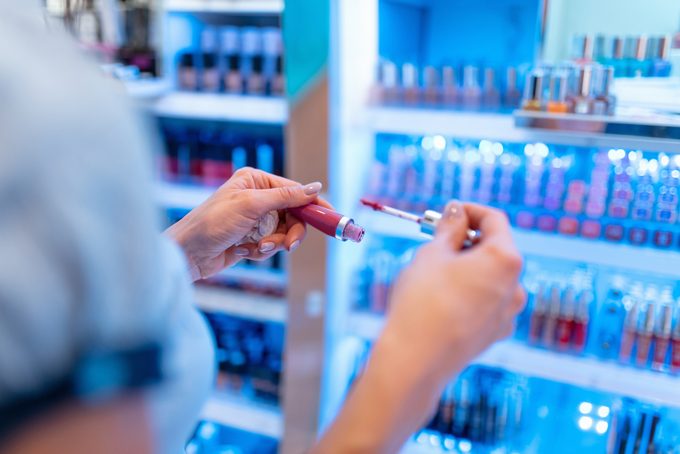
Taking beauty samples into your own hands
Beauty samples are meant for testing, but they aren’t intended for public use. Using your fingers to dip into jars can spread germs, leading to potential infections.
King advises using makeup applicators at beauty displays and disposing of them after use. If none are available, ask for a spatula or Q-tip before trying products.
What to do instead
Always use the provided applicators and dispose of them properly. This helps maintain hygiene and prevents the spread of germs.
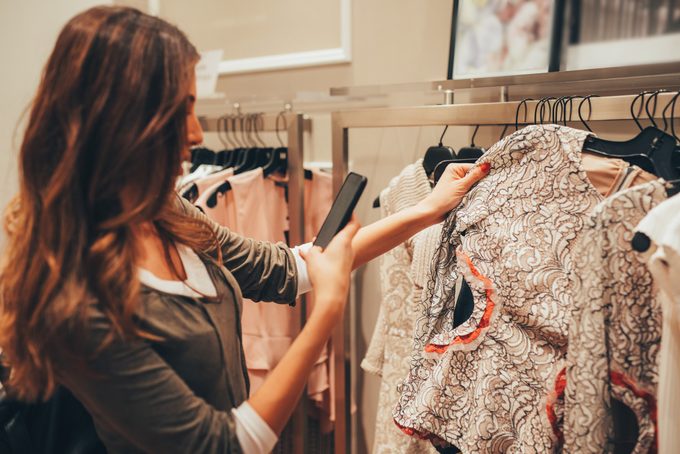
Taking photos of something you don’t intend to buy
Taking photos of items you don’t plan to purchase can be frustrating for retail employees who have spent time helping you. It can also lead to misunderstandings, especially in clothing stores where the intent is often just for social media.
Tiffany Mielnik Parrish, former owner of Selenite Beauty, explains that it can be dispiriting for team members who have invested time in helping customers.
What to do instead
Keep your phone in your bag and engage with employees only if you’re genuinely interested. If you’re not ready to buy, let them know and they can help tailor options to your budget.
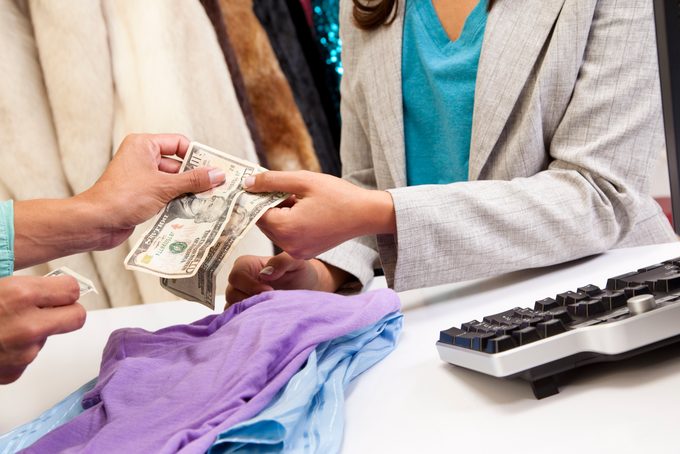
Paying with cash
Using cash can be inefficient for both customers and employees, as it requires more time to count and can lead to errors. It’s also less hygienic compared to electronic payments.
Maryanne Parker, founder of Manor of Manners, highlights the importance of presenting money neatly and using contactless payments when possible.
What to do instead
Organize your cash neatly and consider using contactless payments like Apple Pay for a smoother transaction.
Returning used products
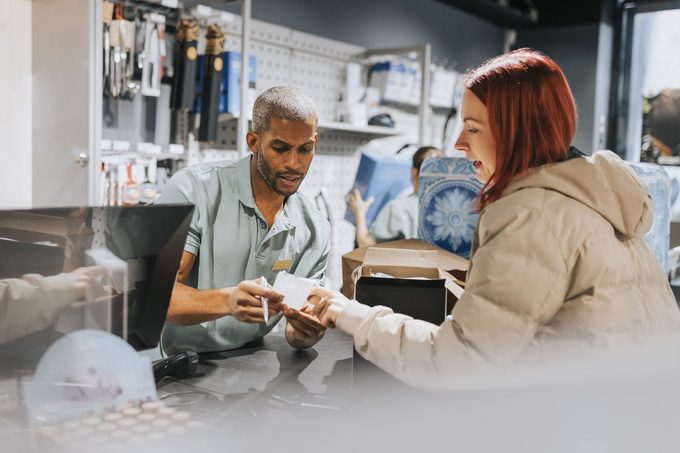
Returning used beauty products can be problematic, especially for smaller retailers. Once opened or used, these items cannot be restocked and may affect sales and revenue.
King notes that some customers abuse the return system by claiming reactions to products. This can reflect poorly on the employee who sold the item.
What to do instead
Ask for a sample before purchasing to ensure the product suits your needs. This reduces the likelihood of returns and helps maintain good relationships with staff.
Putting back clothes that aren’t folded
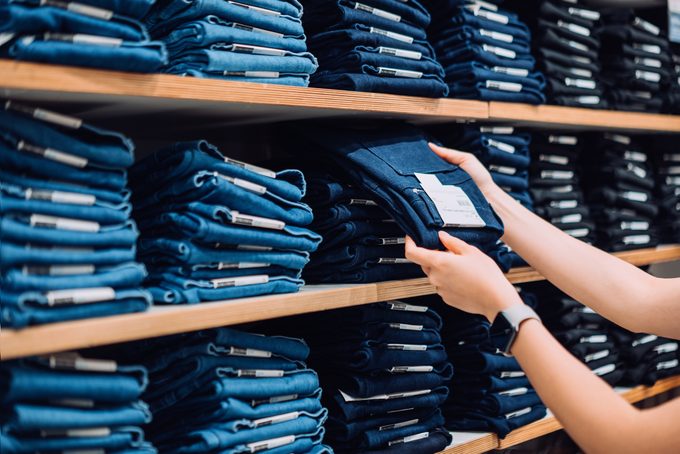
While it’s common to sift through clothes to find the right size or style, leaving them in disarray can be frustrating for employees. They often have to refold everything anyway.
Eldridge explains that it’s fine to look through the piles, but leaving them messy is not ideal.
What to do instead
Try to put the clothes back neatly and let an employee know if you’ve disturbed the pile. This helps maintain order and shows respect for the staff.
Placing an item on a random shelf because you don’t want it anymore
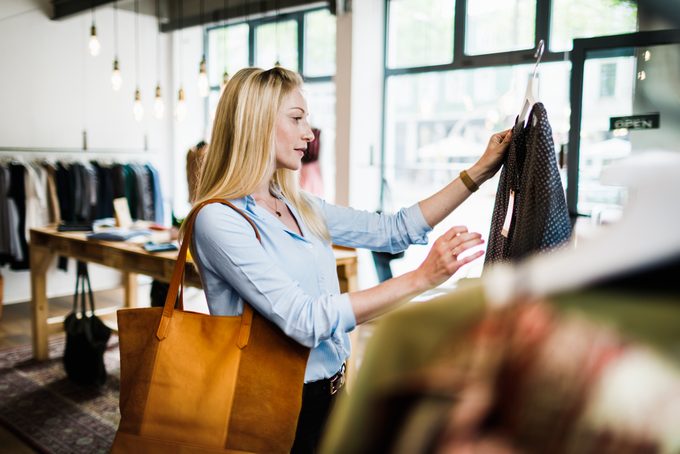
Changing your mind about an item is understandable, but placing it on a random shelf can create confusion for employees. It’s important to return items to their proper places.
Heflich explains that employees often have to search for misplaced items, which can be time-consuming.
What to do instead
Return the item to where you found it or bring it to the register. This makes it easier for employees to manage inventory and keep the store organized.

Asking an employee to check the back
Customers sometimes ask employees to check the back of the store for an item they believe is available. While it’s understandable, it can be time-consuming for staff.
Heflich acknowledges that it’s a common request, but it’s usually best to trust the employee’s response unless there’s a specific reason to doubt it.
What to do instead
Believe the employee if they say an item is out of stock. If you still need it, ask if it can be ordered or check online later.

Bringing your pet
Pets are generally not allowed in retail stores due to hygiene and safety concerns. They can track in dirt, cause accidents, startle other customers, and pose a risk to those with allergies.
Steer emphasizes that only service animals should be brought into stores, and even then, they should be kept on a leash.
What to do instead
Unless the store is pet-friendly or a pet store, it’s best to leave your pet at home. This helps maintain a safe and comfortable environment for all shoppers.