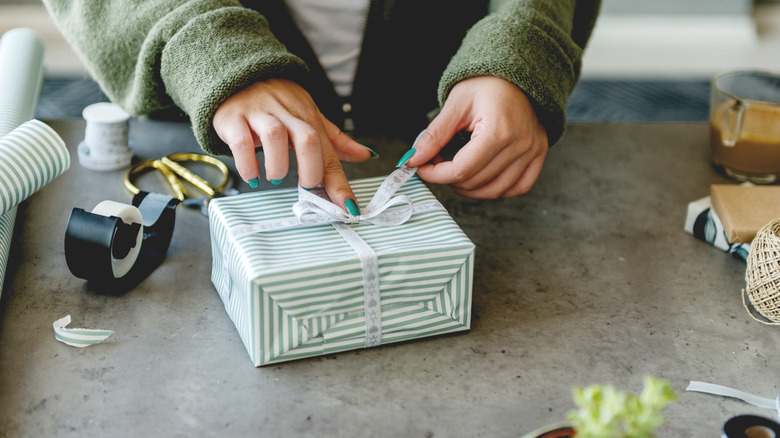
Gift wrapping is an essential part of the gifting process, but traditional wrapping paper often lacks creativity and sustainability. Instead of relying on mass-produced options, consider using items you already have at home to create eco-friendly and unique gift wraps. This approach not only saves money but also reduces waste. With a little creativity, you can transform everyday objects into beautiful and functional gift wraps.
Fabric from Your Craft Stash
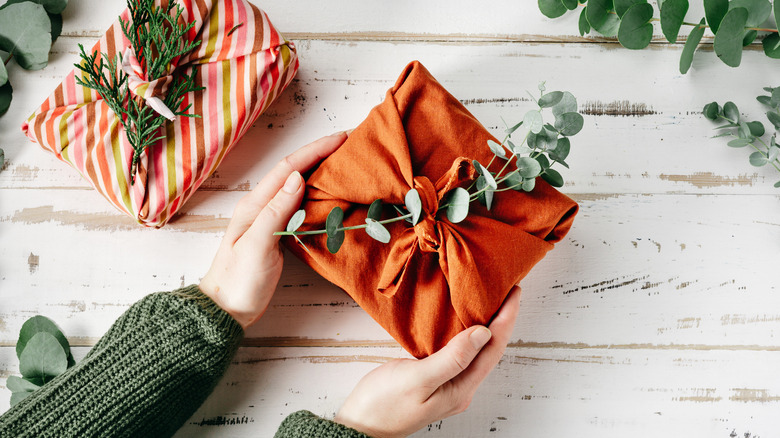
If you're a craft enthusiast, you likely have leftover fabric scraps that can be repurposed for gift wrapping. Fabric offers strength and flexibility, making it ideal for wrapping items of all shapes and sizes. The variety of colors, patterns, and textures allows for personalized touches. If you don't have fabric on hand, thrift stores offer affordable and sustainable alternatives.
To wrap an oddly shaped or round item, place it in the middle of the fabric and bring all sides around it, securing with a string or ribbon. Another option is the furoshiki method, which involves tying the fabric around the gift in various styles. For a basic look, turn the fabric at an angle to form a diamond shape, fold the top and bottom points over the gift, and tie the side points together.
Old Tea or Hand Towels
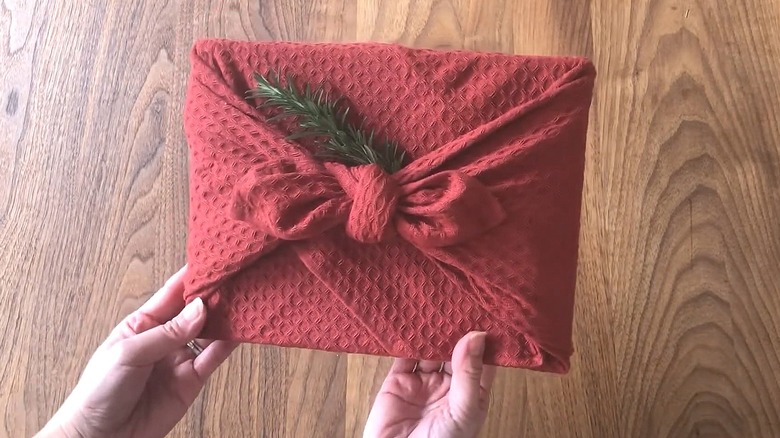
Old tea towels, hand towels, and kitchen towels are excellent alternatives for gift wrapping. They come in various colors and patterns, and their finished edges provide a neat appearance. The recipient might even appreciate the towel as an additional gift.
If the towel is part of the gift, use it as the wrapping. Otherwise, wash unused towels and use them like fabric. You can gather the towel around the object and secure it with ribbon or use furoshiki techniques to tie it.
T-Shirts, Scarves, and Other Unused Fabrics
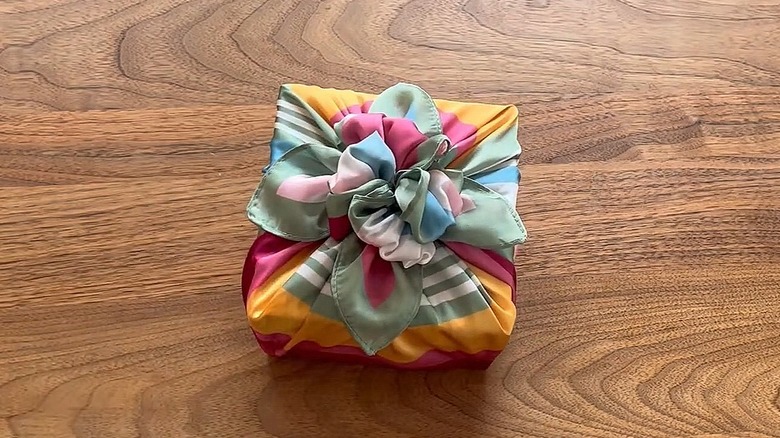
Scarves, T-shirts, and other fabric items that you no longer wear can also be used for gift wrapping. Scarves are particularly useful because they are thin and often feature colorful patterns. If you don’t have scarves, check thrift stores for suitable options.
When wrapping, use tying methods or gather the ends around the package and secure with a rubber band. Tuck the tips into the rubber band to create a bow-like shape.
Brown Paper Bags

Brown paper bags from grocery trips can be repurposed as gift wrap. They are durable and easy to cut into pieces. Some retailers use seasonal paper bags that add a decorative touch.
Use unprinted sections of the bag or wrap it so the print faces inward. You can embellish the paper with bows, florals, or painted designs. Since brown paper is heavier than regular wrapping paper, you may need stronger tape.
Leftover Wallpaper or Shelf Liner
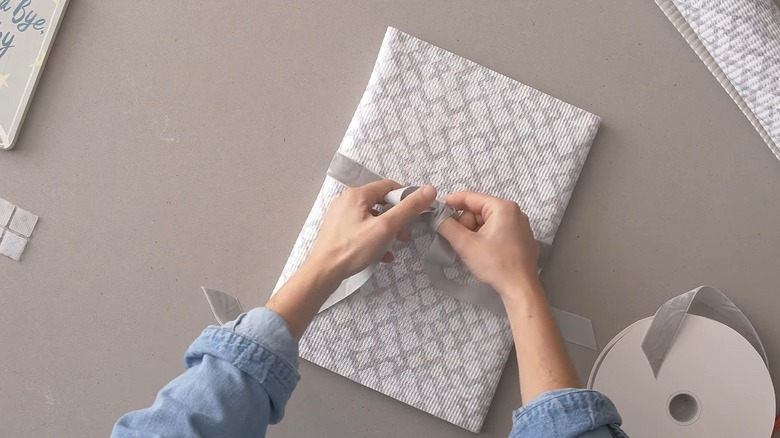
Leftover wallpaper or shelf liner from home projects can be used for gift wrapping. They are durable and come in unique patterns. Use strong adhesive to hold the wrapping in place or create a pouch from thicker materials.
Cut a rectangle twice as long as the desired pouch, fold it, and hot glue the sides to form the pouch. Slide the gift inside and fold the flap over. Use double-sided tape or self-adhesive hook-and-loop tape to close the pouch.
Plain Paper with an Upgrade
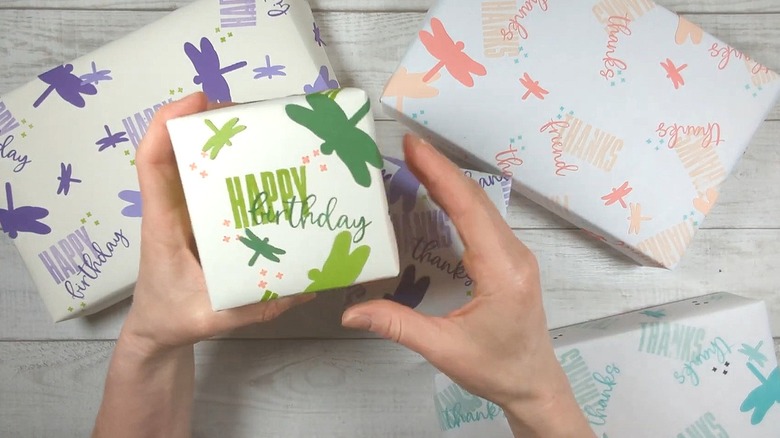
White paper, such as wrapping paper, freezer paper, or easel paper, serves as a blank canvas for custom gift wraps. Consider the thickness and opacity when choosing the paper.
Decorate the paper with stickers, vinyl cutouts, paint, stamps, ribbon, or markers. Think about the recipient's interests when designing the wrap. Simple designs like polka dots or stripes can be created with cotton swabs or washi tape.
Sheet Music
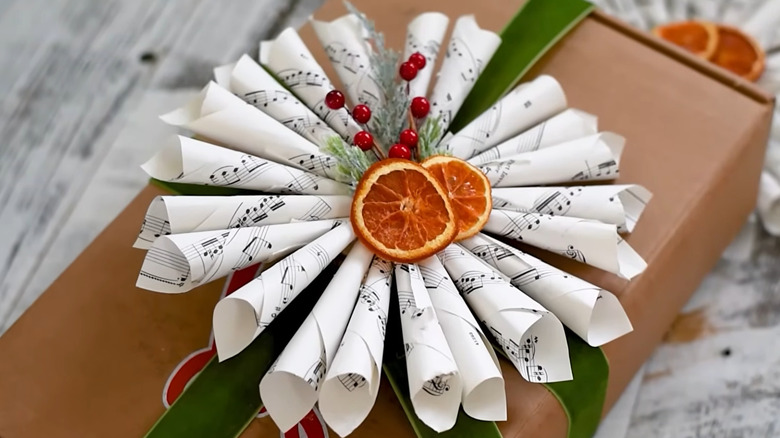
Old sheet music from your child’s band days can be used as gift wrap. It’s especially suitable for music lovers or musically themed gifts. Sheet music has a unique pattern and is eco-friendly if you’re using old music.
If you don’t have sheet music, print some off or purchase it from a thrift store. To make new sheet music look old, soak it in brewed tea or coffee. Use it like regular wrapping paper or layer it on top of kraft paper.
Tissue Paper
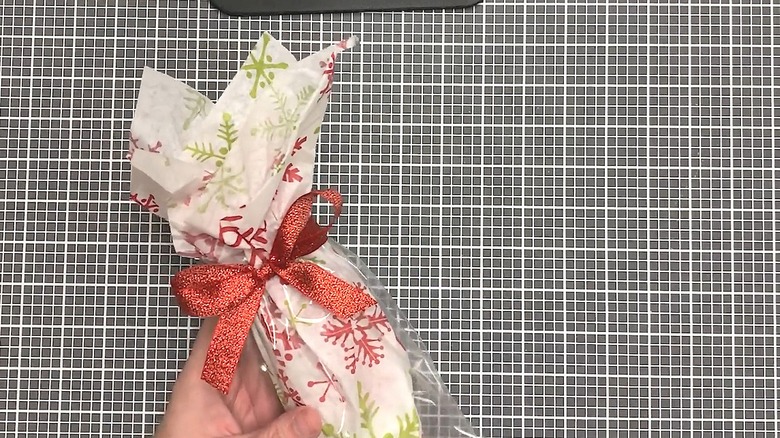
Tissue paper is commonly used in gift wrapping, but it can also serve as the main wrap. It comes in various colors and patterns, making it fun to work with. Even if you need to buy it, it's relatively inexpensive.
Layer several pieces for durability and mold it around oddly shaped items. Use it like regular wrapping paper or tie a ribbon around the top. For houseplants, wrap tissue paper around the pot, leaving the plant sticking out of the top.
Magazine Pages
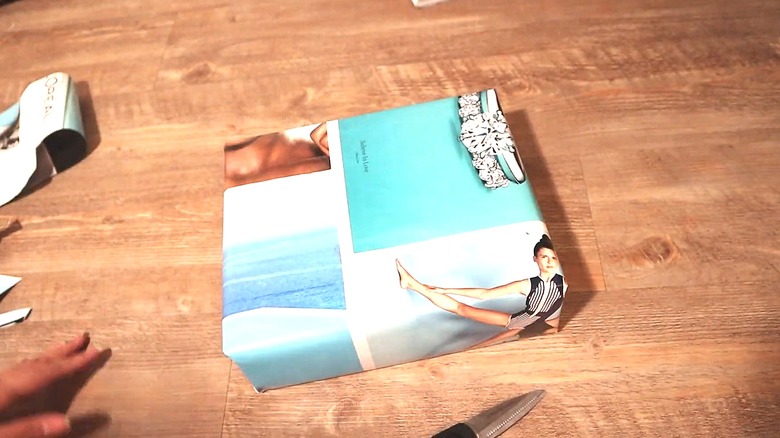
Back issues of magazines can be used as colorful gift wraps. Magazine pages are glossy and thick, making them durable. Flip through the pages to find images that match the recipient's interests.
Wrap small items with a single page or piece together multiple pages for larger gifts. Center the item on the paper so the best parts of the image show. Cut strips from magazines to layer over plain wrapping, almost like a ribbon.
Random Containers
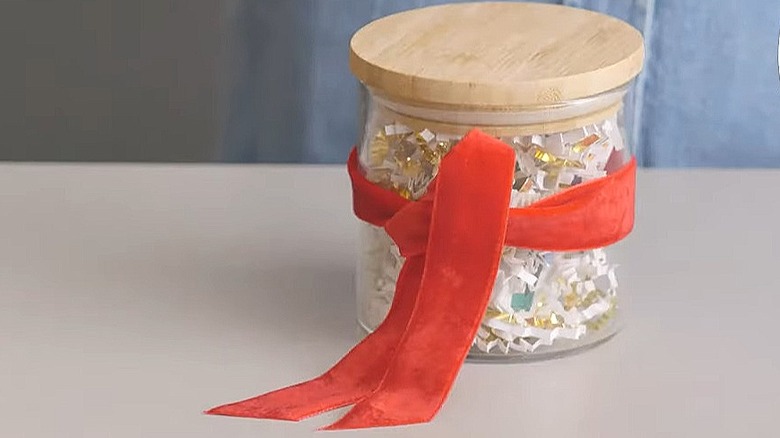
Old or unwanted containers such as glass jars, plastic food storage containers, boxes, and tins can be used for gift wrapping. They protect fragile items and can be reused by the recipient.
Choose a container with an opening that fits the gift. For clear containers, decide whether to show the gift or block the view. Add tissue paper or shredded paper inside the jar or wrap the outside with fabric or a doily. Decorate the container with paint, stickers, or other craft supplies.
Old Pillowcase
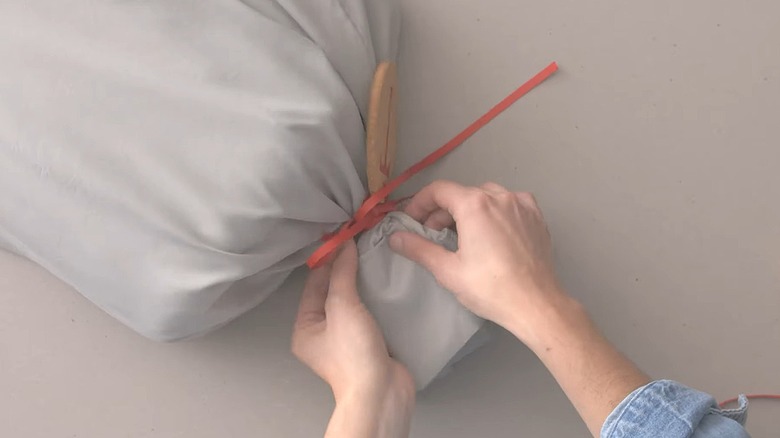
Don’t throw out old pillowcases — they can be used to wrap gifts. Pillowcases have a pouch-like shape, making them ideal for larger items. The fabric is sturdy and can be reused for future gift wraps.
Arrange the item inside the pillowcase and bunch the fabric up at the opening. Tie it to keep the pillowcase closed and add a big bow around the top. If you're handy with a sewing machine, turn the pillowcase into a drawstring bag by sewing in a ribbon at the top.
Homemade Paper
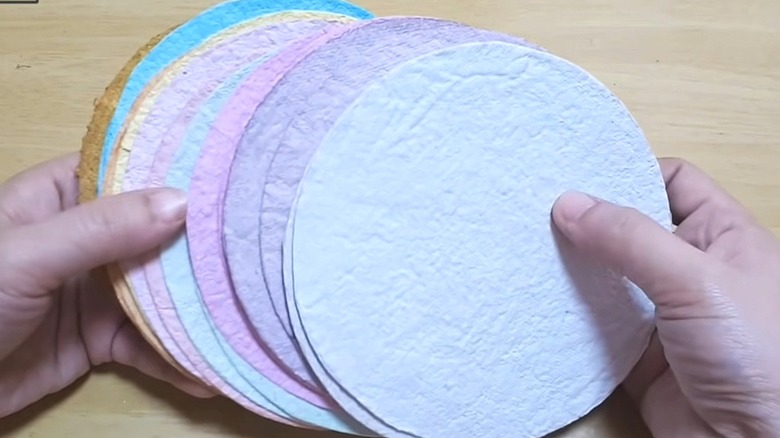
Shredded paper can be turned into homemade paper for gift wrapping. The resulting paper is sturdy and can be customized with acrylic paint or seeds for plantable wraps.
To make homemade paper, tear old paper into tiny pieces, blend with warm water, and spread the pulp onto a screen mold. Blot the excess water and let it dry. Once finished, use the paper like regular wrapping paper or cut out shapes and glue them to an already wrapped package.