Common Fire Hazards in Your Living Room
Your living room might seem like a safe and comfortable space, but it could be hiding several fire hazards that you may not even realize. While the kitchen is often considered the most dangerous area for fires, the living room also poses its own set of risks. Let’s take a closer look at some of the most common dangers lurking in your living room.
Overloaded Electrical Outlets
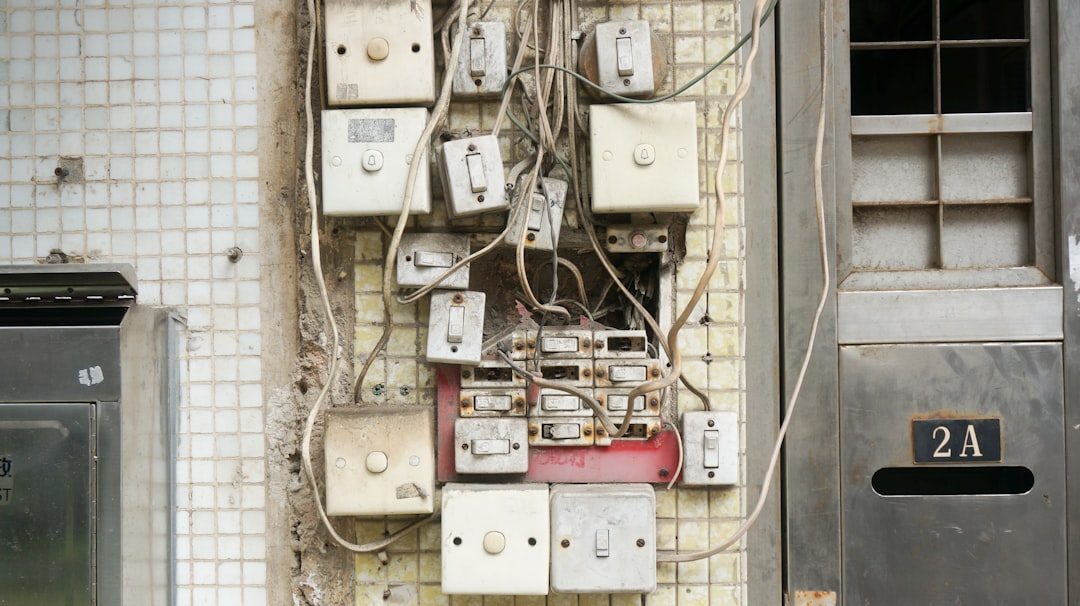
One of the most common mistakes people make is overloading electrical outlets. Plugging too many devices into a single power strip or using an extension cord as a permanent solution can lead to overheating wires and potentially start a fire. Think about all the devices you plug in: your TV, gaming console, sound system, phone charger, tablet, and maybe even a lamp. All of them are fighting for power from one outlet. This can cause the circuit to overheat and spark, which can quickly lead to a fire.
Overloading outlets is a major cause of electrical fires, and you might not even notice it happening until it's too late. The damage can be severe, with over $3 billion in property damage annually due to such incidents. It’s important to avoid plugging in too many devices at once and to use proper outlets instead of relying on extension cords.
Extension Cords Used as Permanent Wiring
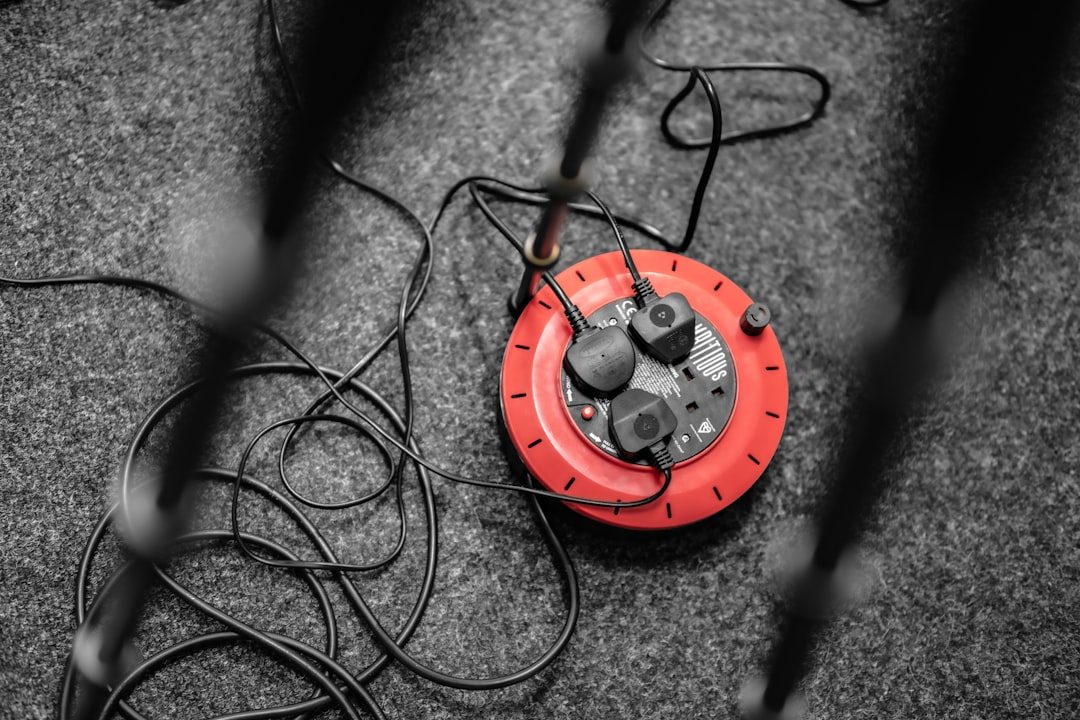
Using extension cords as a permanent solution is another common mistake. Running an extension cord under your couch or area rug might seem harmless, but it can create dangerous conditions. Fire investigators have noted that fires can be caused by extension cords that have been pinched under furniture, leading to damaged insulation and electrical arcing. This can generate heat and increase the risk of ignition.
Extension cords are designed for temporary use only, not as a substitute for actual outlets. Never use an extension cord with a major appliance, as it can overheat and start a fire. If you find yourself constantly relying on extension cords, it's time to call an electrician and get more proper outlets installed.
Dust Accumulation on Electronics and Vents
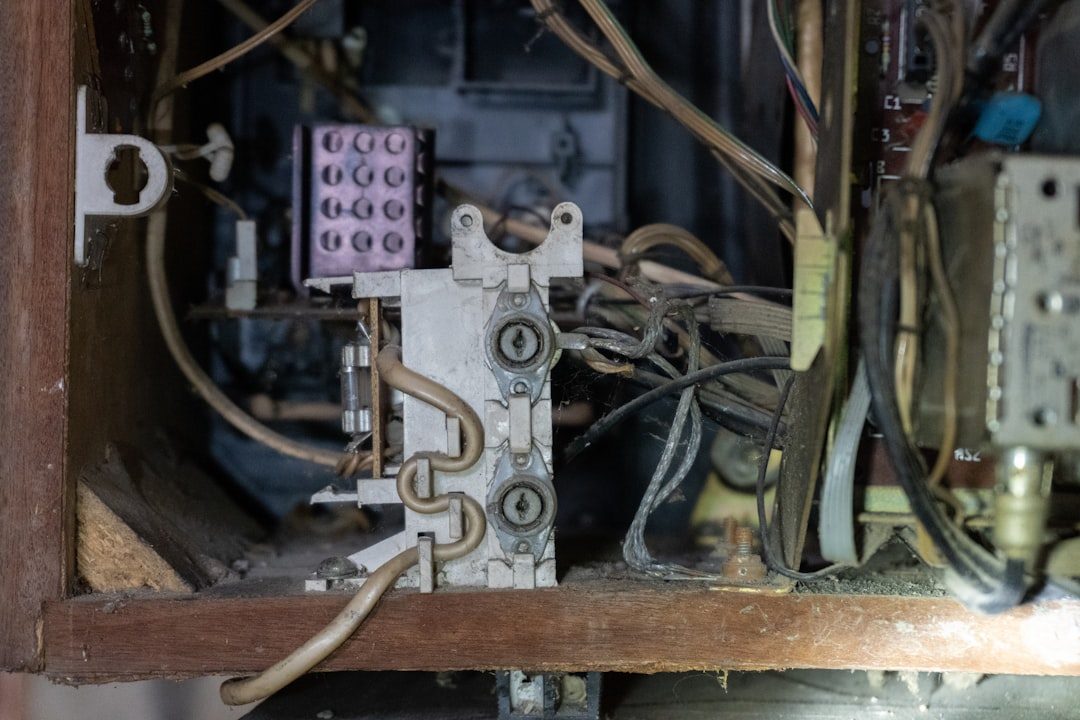
Dust accumulation on electronics and vents can also be a fire hazard. Many people neglect to dust behind their TV or gaming console, allowing dust to build up over time. This dust can catch fire if it comes into contact with a spark from heaters or electrical sockets. In some cases, certain types of dust can even explode under the right conditions.
Regularly dusting your home is essential to prevent this kind of hazard. Pay special attention to electronics that generate heat, as they are more likely to ignite if surrounded by dust. A simple cleaning routine can go a long way in keeping your living room safe.
Candles Left Unattended

Scented candles are popular for creating ambiance, but they can also be a significant fire hazard. Roughly one-third of home candle fires start in bedrooms, but living rooms are not far behind. More than half of these fires occur when combustible materials are left too close to the candles. A decorative throw blanket draped over your sofa could easily catch fire if it gets too close to a burning candle.
Falling asleep while candles are still burning is another common issue, contributing to both fires and deaths. It’s important to never leave candles unattended and to keep them away from flammable materials.
Space Heaters Placed Too Close to Furniture
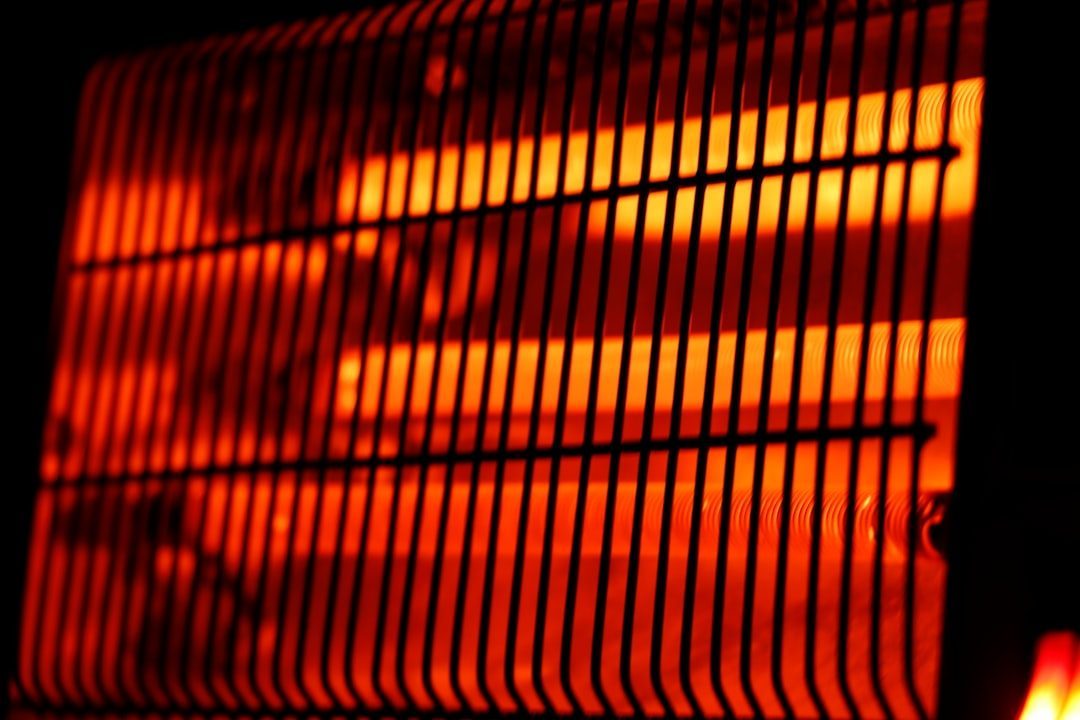
Space heaters are a common sight during the winter months, but they can be extremely dangerous if placed too close to furniture. Portable heaters account for a significant number of heating-related fires, with many being preventable due to human error. Coil space heaters, in particular, can become so hot that they can instantly ignite nearby flammable surfaces.
It’s crucial to maintain at least three feet of clearance between space heaters and any combustible materials. This includes curtains, beds, clothing, chairs, couches, and rugs. Even though it might be tempting to place a heater near your favorite spot on the couch, doing so can put your safety at risk.
Old or Damaged Electrical Cords
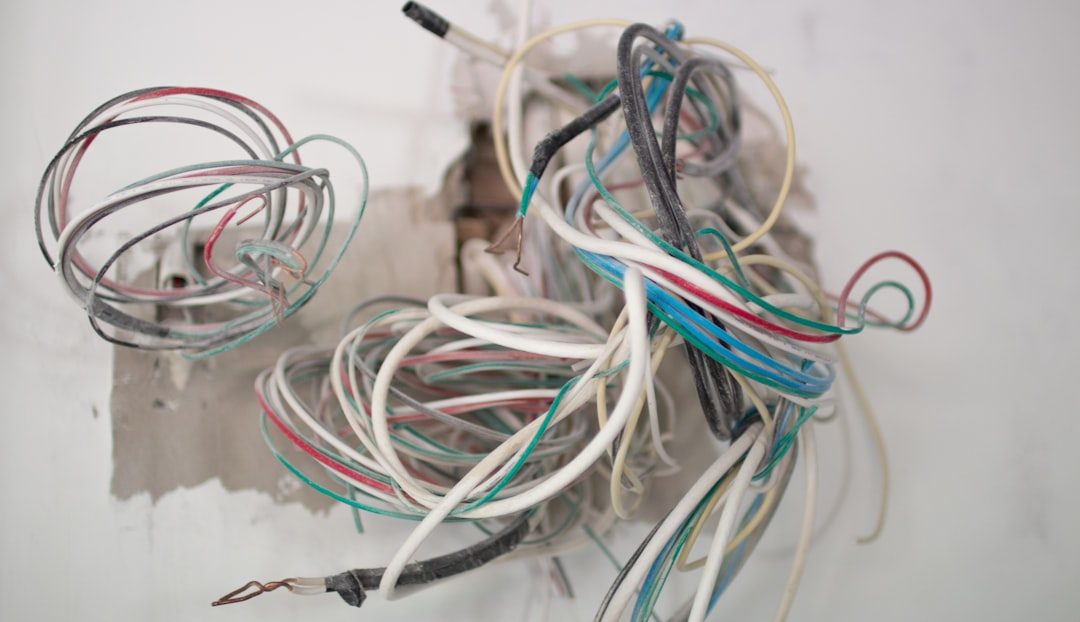
Old or damaged electrical cords are another potential fire hazard. Frayed, cracked, or exposed wiring can lead to electrical fires, especially in urban areas where faulty wiring accounts for 33% of residential electrical fires. These issues can be traced back to misuse of electric cords, such as overloading circuits, poor maintenance, and running cords under rugs or in high traffic areas.
It’s important to regularly inspect your cords for signs of wear and replace them when necessary. Using damaged cords can be a serious risk, and it’s not worth the convenience to keep using them just because they still work.
Light Fixtures with Wrong Wattage Bulbs
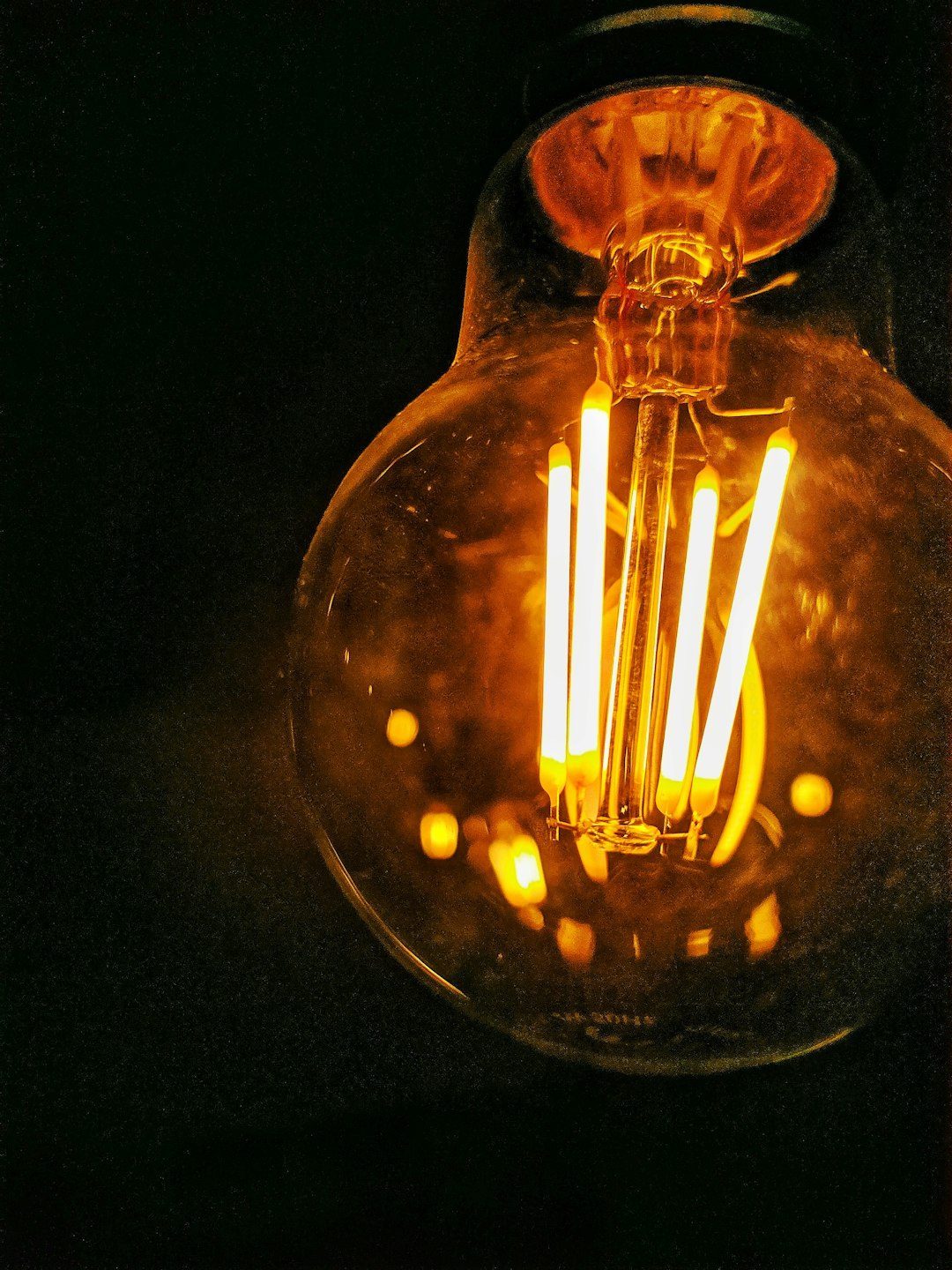
Installing bulbs that exceed the recommended wattage for your light fixtures can cause them to overheat, leading to electrical fires. Always check the wattage requirements before installing bulbs, and ensure that flammable materials are kept away from light sources.
Even a decorative lamp shade can be a danger if it’s too close to a hot bulb. Checking the label on your lamps and using the correct bulbs is a simple yet effective way to prevent this type of hazard.
Neglected Smoke Detectors
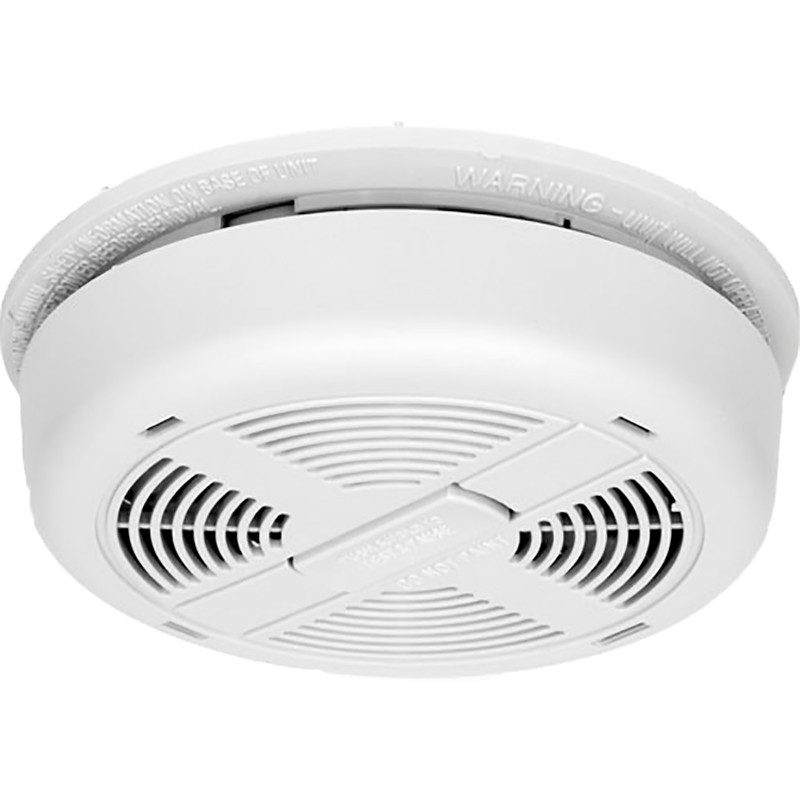
Smoke detectors are essential for early warning in case of a fire, but many people neglect to maintain them properly. Home fire deaths from fires without working smoke alarms account for a significant percentage of fatalities. Dead batteries or non-operational detectors can be the difference between escaping safely and facing a tragic outcome.
Testing your smoke detectors monthly and replacing batteries at least once a year is crucial. Also, consider replacing the entire unit every ten years to ensure it continues to function correctly.
Electronics Left Plugged In and Charging
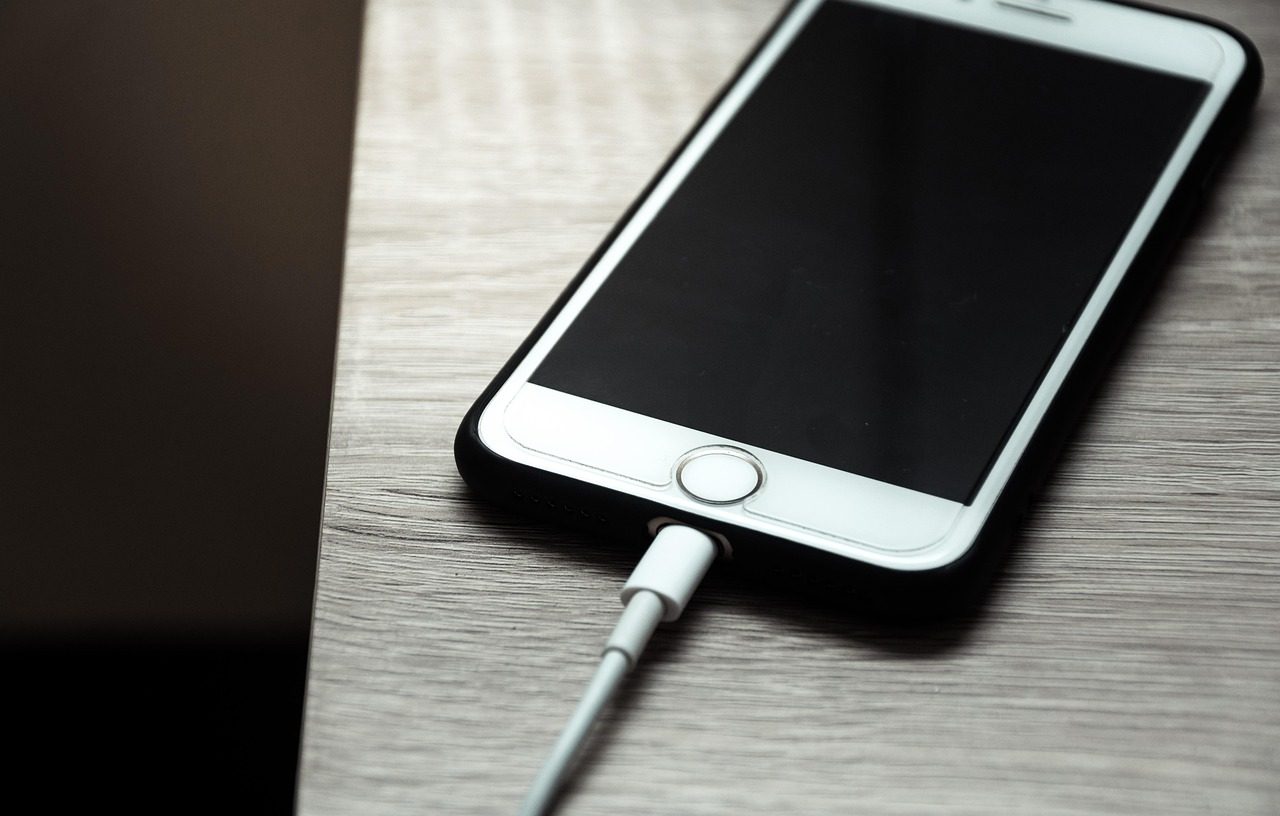
Leaving electronics plugged in and charging can also pose a fire risk. Lithium-ion batteries, which power many of our gadgets, can cause explosions if they fail due to damage, improper charging, or defects. Devices left charging overnight on the couch can be particularly dangerous.
Unplug devices when you’re done charging them, and avoid using cheap knockoff chargers. Even when a device is turned off, the cord remains energized, so it’s important to be cautious.
By identifying and addressing these hazards, you can significantly reduce the risk of a fire in your living room. Take a moment to walk around your space and assess what you see. Are there cords running under rugs? Candles sitting too close to curtains? A space heater parked next to the couch? Fixing these issues today can help keep your home safe.