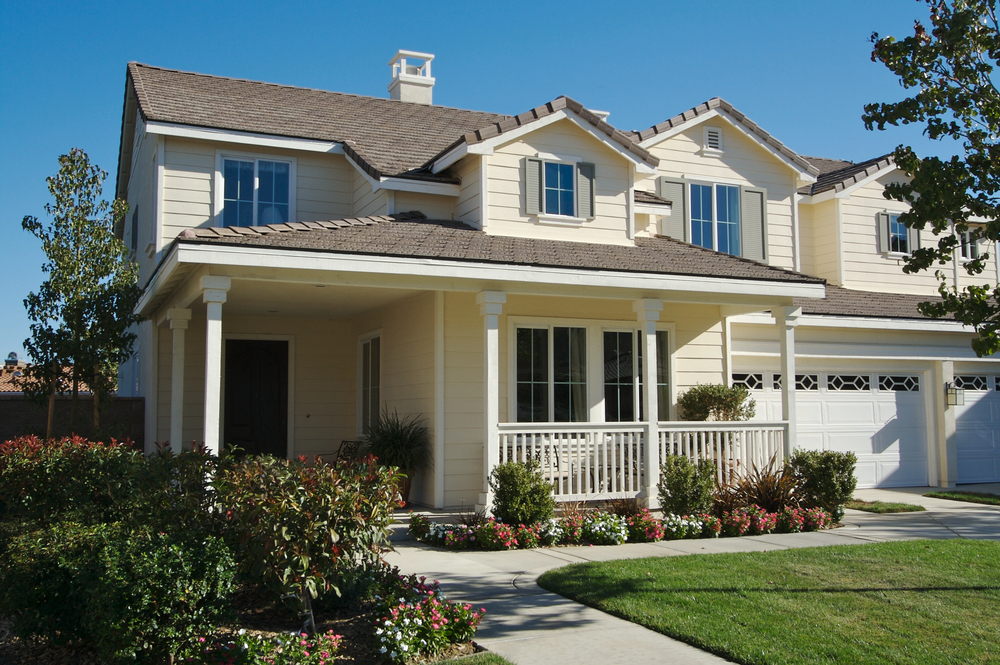
The Return of Design Trends That Once Felt Outdated
Walk into any home decorated in the last few years and you might experience a strange sense of déjà vu. That’s not your imagination playing tricks. Design trends have a funny way of cycling back around, often when we least expect them. What felt hopelessly outdated a decade ago suddenly looks fresh and intentional again. Sometimes it’s nostalgia driving the revival, other times it’s a practical rediscovery of what actually worked all along. The difference now is that these comebacks rarely show up in their original form. They’ve been refined, updated, and blended with contemporary sensibilities.
Here’s a closer look at the design elements that have found their way back into modern homes.
Wallpaper
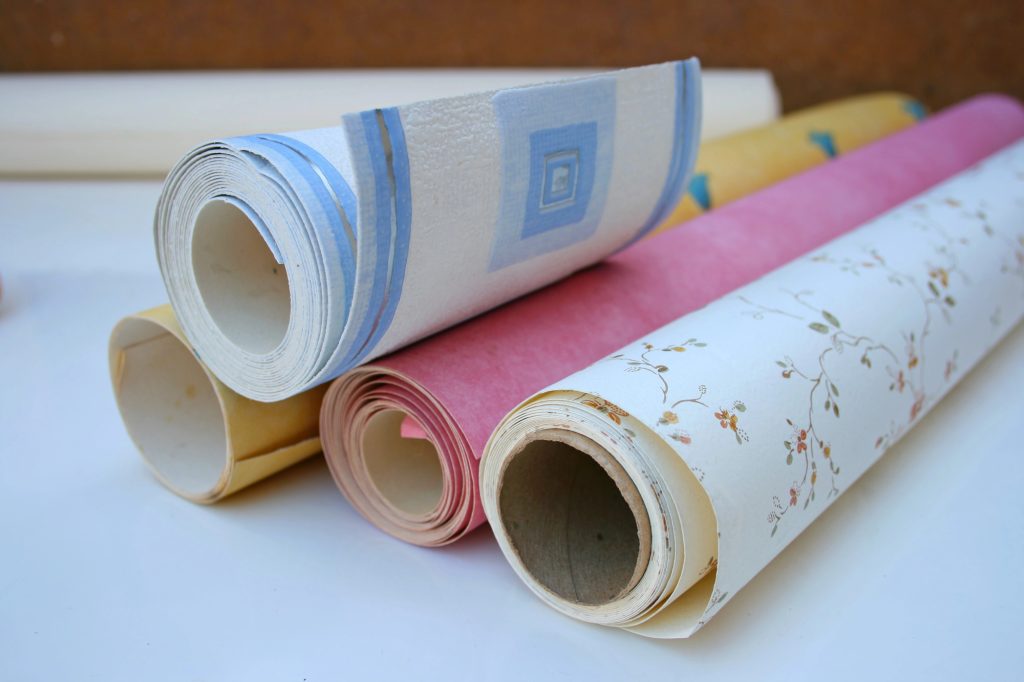
There was a time when wallpaper felt like a relic from your grandmother’s house, something you’d spend weekends steaming off the walls. Then somewhere along the line, it became cool again. Modern wallpaper has shed its dated reputation and returned with bold patterns, unexpected textures, and designs that make paint look a little boring by comparison. The new generation of wallpaper is easier to work with too. Peel-and-stick options mean you don’t need to commit for life or hire a professional to apply it. Renters have embraced these temporary solutions, transforming bland apartments into personalized spaces without losing their security deposits. Even traditional wallpaper has improved, with better adhesives and removal processes that don’t require a steamer and a prayer. What’s driving the revival isn’t just convenience, though. People got tired of safe, neutral walls. Wallpaper offers a way to inject personality into a room without the permanence of architectural changes. Accent walls featuring dramatic florals, geometric patterns, or even whimsical illustrations have become statement pieces in their own right.
Terrazzo
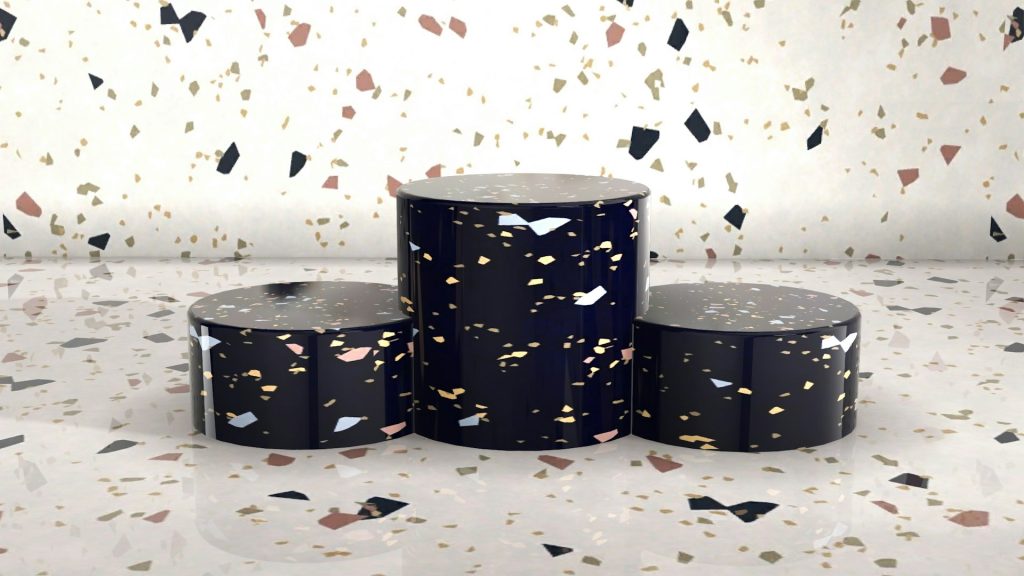
Terrazzo flooring was everywhere in mid-century buildings, especially schools, hospitals, and government offices. Its speckled appearance made it practical for high-traffic areas where every scuff and stain would show on solid surfaces. Then it fell out of favor for decades, dismissed as institutional and cold. Now it’s showing up in boutique hotels, upscale restaurants, and residential spaces with renewed appreciation. Modern terrazzo comes in softer color palettes and varied chip sizes that feel more refined than the versions from the 1950s. Designers are using it not just for floors but for countertops, backsplashes, and even custom furniture pieces. Part of the appeal is its durability. In an era where people are trying to buy less and keep things longer, terrazzo makes sense. It can last for decades without showing its age. The other draw is its uniqueness. No two terrazzo installations look exactly alike, giving spaces a custom feel even when using standard materials.
Fluted Details
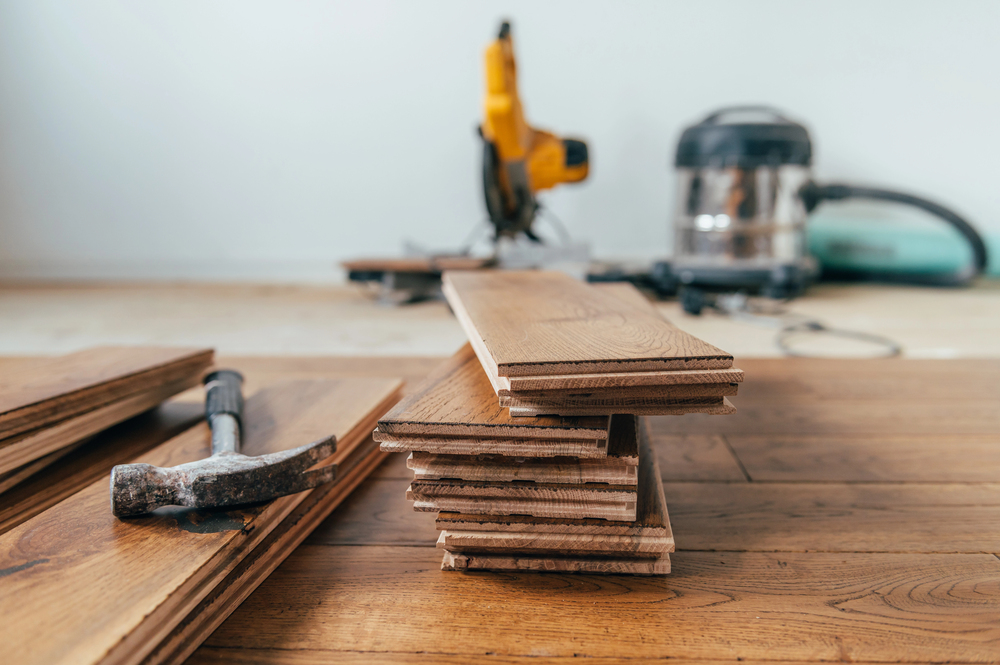
Fluted panels and surfaces had their moment in Art Deco design, then faded into obscurity for most of the late 20th century. The vertical groove pattern has made a strong return, showing up on everything from kitchen islands to bathroom vanities to entire wall treatments. These textured surfaces add depth and visual interest without relying on color or bold patterns. They catch light in subtle ways throughout the day, creating shadows and dimensions that flat surfaces simply can’t match. In minimalist spaces, fluted details provide just enough character to keep things from feeling sterile. The style works across different materials too. Wood fluting brings warmth, while fluted tile or plaster feels more refined and architectural. Some designers are even using the pattern on cabinetry, moving away from the flat-panel or shaker styles that have dominated for years. It’s a small detail that makes a significant impact, which explains why it’s popping up in both budget renovations and high-end builds.
Arches
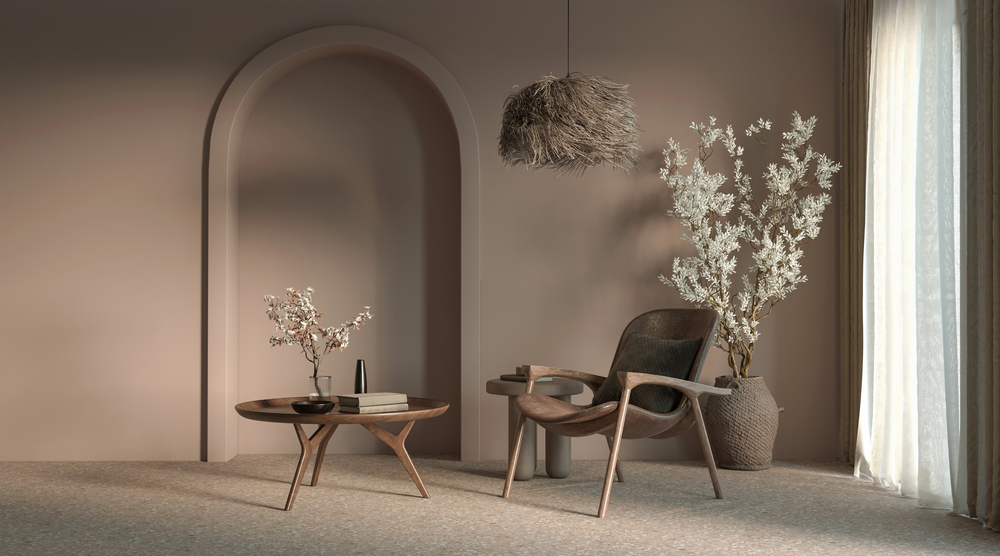
Straight lines and sharp corners have ruled residential architecture for a long time, but arches are curving their way back into favor. Doorways, windows, and even decorative pass-throughs are being designed with gentle curves that soften the overall feel of a space. Arches add an unexpected elegance without feeling overly formal. They create natural focal points and can make standard ceiling heights feel more dramatic. In open floor plans where everything tends to blend together, an arched opening helps define separate zones while maintaining flow. The trend extends beyond structural elements too. Arched mirrors, headboards, and even kitchen range hoods are bringing the shape into everyday furnishings. It’s a departure from the stark, angular aesthetic that minimalism pushed for years. There’s something inherently welcoming about a curved line, and homes are feeling more inviting because of it.
Two-Tone Kitchens
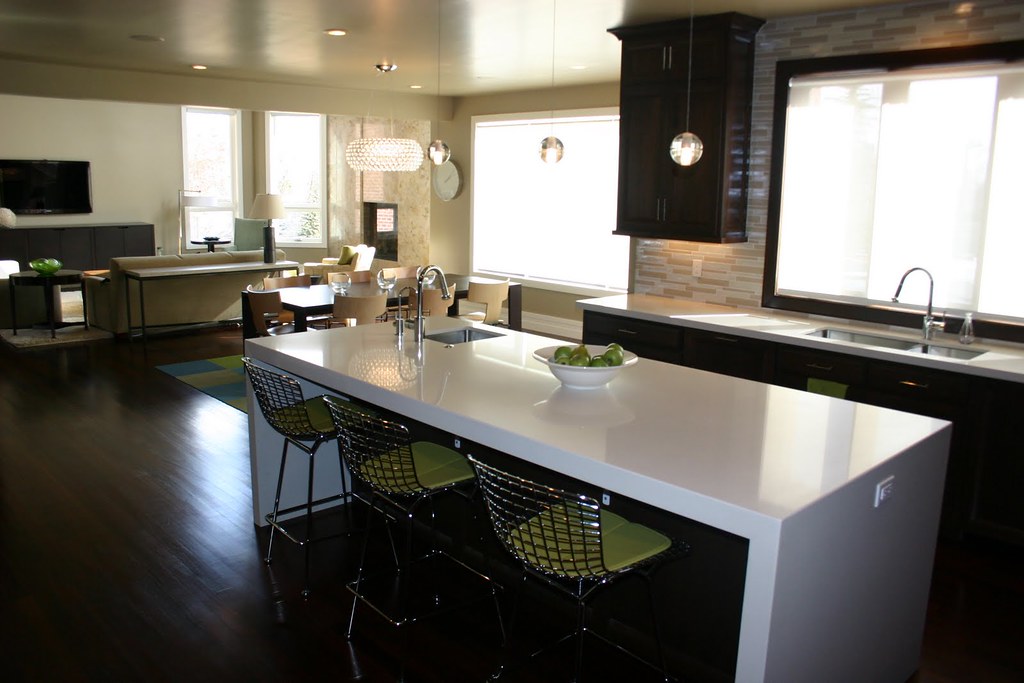
Matching kitchen cabinets from floor to ceiling used to be the default choice. Everything coordinated, everything matched. Then designers started breaking that rule, pairing different colors or finishes between upper and lower cabinets, and the result felt surprisingly intentional. Two-tone kitchens create visual breaks in what can otherwise be a monotonous expanse of cabinetry. Darker lower cabinets grounded by lighter uppers, or bold island colors contrasting with perimeter neutrals, add layers of interest without overwhelming the space. The approach also solves practical concerns, as darker bases hide wear and tear better in high-use areas. This trend has roots in historical kitchens where different pieces of furniture served different functions, often in mismatched finishes. The modern version is more cohesive but maintains that collected-over-time quality. It’s a way to incorporate trendy colors without fully committing, keeping half the kitchen in a classic neutral as insurance against future regret.
Brass and Warm Metals
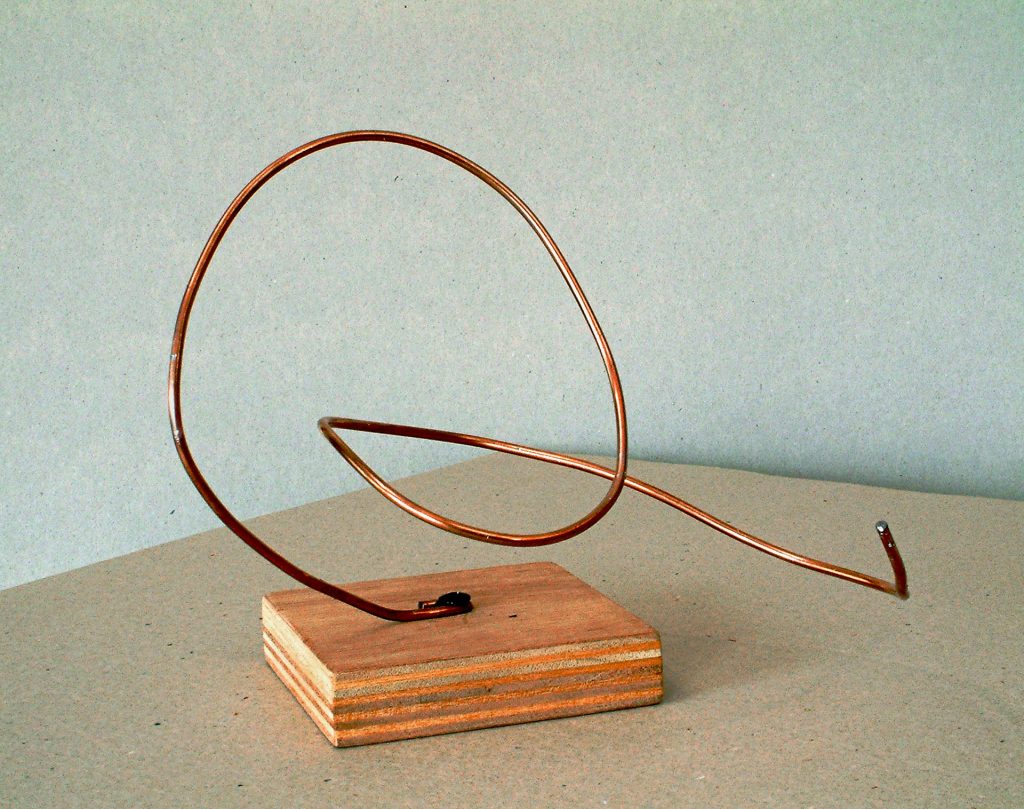
Stainless steel and chrome dominated for so long that kitchens and bathrooms started feeling clinical. Brass and other warm-toned metals have returned as a counter to all that cool shine, bringing back a sense of richness and warmth that had been missing. Today’s brass isn’t the shiny, lacquered version from the 1980s, though. The new preference leans toward unlacquered or brushed finishes that develop a natural patina over time. This lived-in quality appeals to people who want their homes to feel personal and evolving rather than showroom-perfect. Gold, copper, and bronze are also finding their place in fixture selections. Mixed metals have become acceptable too, allowing homeowners to layer different tones throughout a space without worrying about perfect coordination. The shift reflects a broader move away from matchy-matchy design toward more collected, individualized spaces.
Cork Flooring
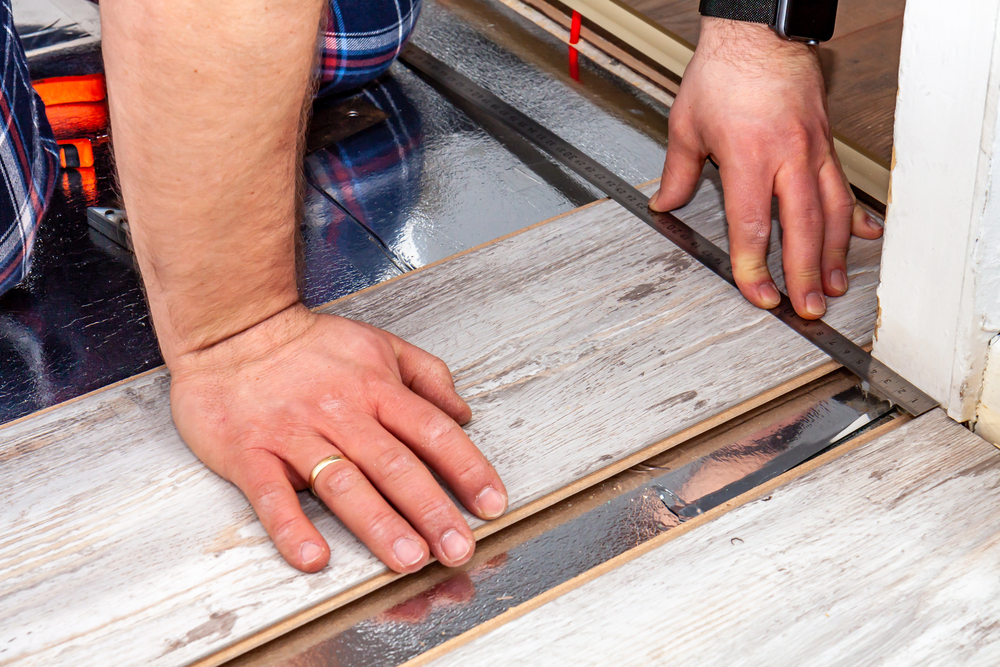
Cork flooring had its heyday in the 1960s and 70s, then saw a minor resurgence in the early 2000s before being overshadowed by hardwood and luxury vinyl. It’s quietly making its way back again, especially among people prioritizing sustainability and comfort. Cork is harvested from tree bark without cutting down the tree, making it a renewable resource that regenerates. It’s naturally antimicrobial, resistant to mold and mildew, and provides excellent insulation against both sound and temperature. Underfoot, it has a gentle give that’s easier on joints than hard surfaces, which matters more as people spend increasing time standing in their kitchens. Modern cork products look better than their predecessors too. They come in varied patterns and colors that go beyond the obvious cork-board aesthetic. Some are even designed to mimic wood grain or stone, offering the practical benefits of cork with the appearance of more traditional materials. For people trying to make more environmentally conscious choices without sacrificing style, cork checks multiple boxes.
Statement Ceilings
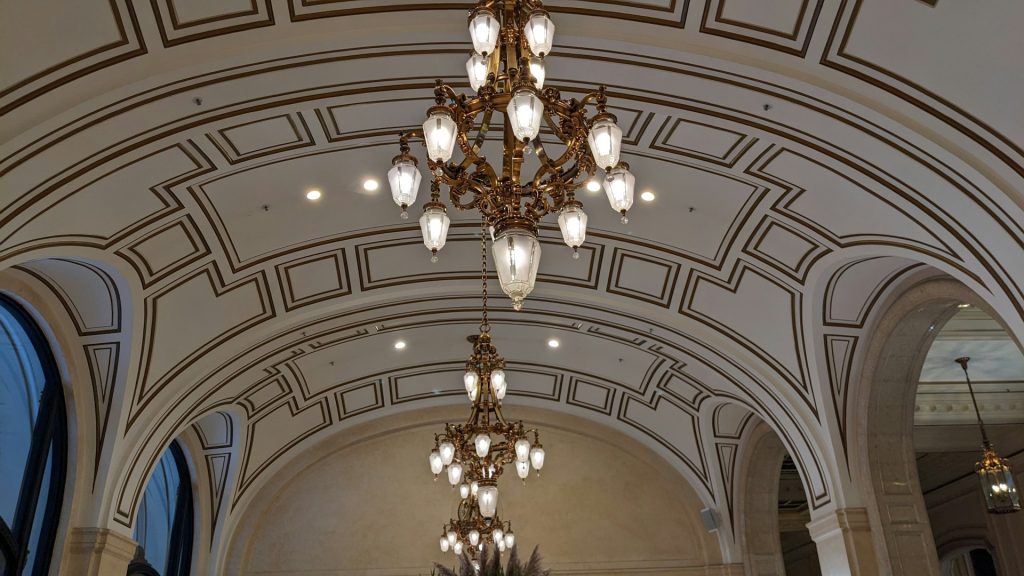
Ceilings spent decades being ignored, painted white and forgotten. Calling them ‘the fifth wall’ became a design cliche, but people are finally treating them that way. Bold paint colors, wallpaper, exposed beams, and decorative molding have all found their way overhead. A statement ceiling draws the eye upward and can make rooms feel larger and more dynamic. Dark ceilings, contrary to what you might expect, can actually make a space feel more intimate and cocoon-like, which works well in bedrooms and dining rooms. Wallpapered ceilings add pattern without overwhelming the walls, giving you somewhere to look that isn’t just blank space. The trend also includes practical upgrades disguised as design choices. Coffer ed ceilings, shiplap, and wood paneling can hide imperfections or outdated popcorn texture while adding architectural interest. It’s one of the last frontiers in home design, and people are realizing what they’ve been missing by leaving it untouched.
Where We Are Now

These returning trends share something beyond nostalgia. They represent a shift toward homes that feel more personal, less concerned with following a single prescribed aesthetic. People are mixing eras, textures, and styles in ways that would have seemed chaotic a decade ago but now just feel authentic. The comebacks also reflect changing priorities. Durability, sustainability, and craftsmanship matter more than they used to. Fast furniture and disposable design are losing appeal as people invest in spaces they actually want to live in long-term. What’s old is new again, but it’s also better than before, refined by modern technology and contemporary sensibilities. The best part about these revivals is that they’re not dictating a single look. You can embrace fluted cabinetry without installing terrazzo floors, or go all-in on brass fixtures while keeping your walls paint instead of wallpaper. Design has become more about personal expression than following rulebooks, and these returning trends are just more tools in the box.