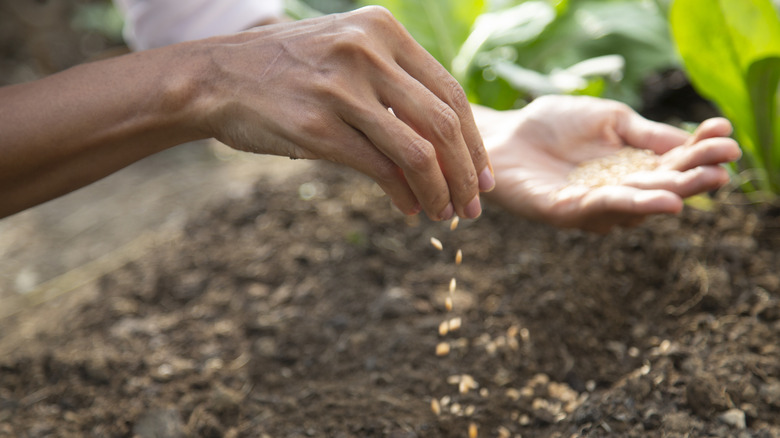
Growing plants from seeds can be a cost-effective and rewarding way to enhance your garden, especially during the fall and winter months. November is an excellent time to sow seeds for a variety of colorful plants, including perennial flowers and green herbs. Instead of spending money on a single container plant, you can get a wider range of options from more affordable seed packets. In addition, seeds can even be free if you harvest them from existing plants in your garden, swap with other gardeners, or visit a seed library.
Planting seeds in November can lead to a vibrant display of colors in the spring. Poppies, sweet peas, and woodland forget-me-nots are just a few examples of plants that can thrive when sown in this month. Herbs like dill and parsley can also be started from seeds in November, provided your climate supports it.
There are several practices to follow to ensure successful germination. Store seeds in a cool and dry place, such as your refrigerator's crisper, and use them within a year of obtaining them. The germination rate may decrease over time, so it’s best to plant them as soon as possible if the conditions are right.
Tips for Successful Seed Planting
- Store Seeds Properly: Keep seeds in a cool and dry location to maintain their viability.
- Use Fresh Seeds: Ensure that you use seeds within a year of purchase to maximize germination rates.
- Check Climate Conditions: Make sure your local climate is suitable for planting specific types of seeds in November.
Recommended Plants for November Sowing
Larkspur (Consolida ajacis)
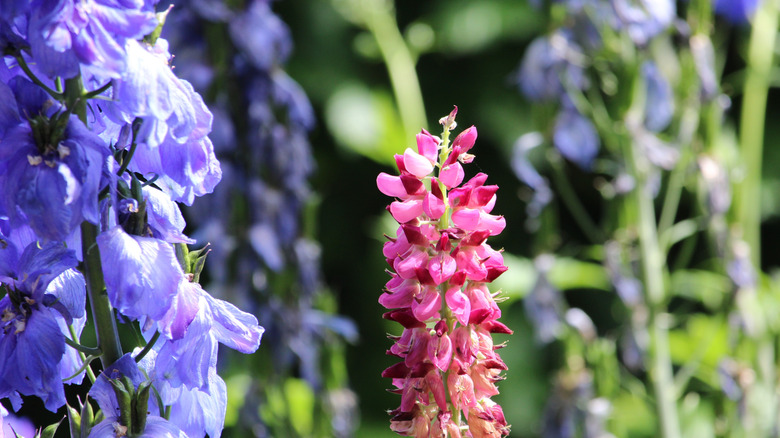
For tall spikes adorned with blue, pink, or white blooms in the spring, sow larkspur seeds in November. This annual flowering plant requires cold temperatures for its seeds to take root, and then rewards gardeners with showy blooms from late spring into summer. Leave 4 inches between the seeds when planting them, and cover them with a light dusting of soil about ⅛ inches thick.
Common Coreopsis (Coreopsis grandiflora)
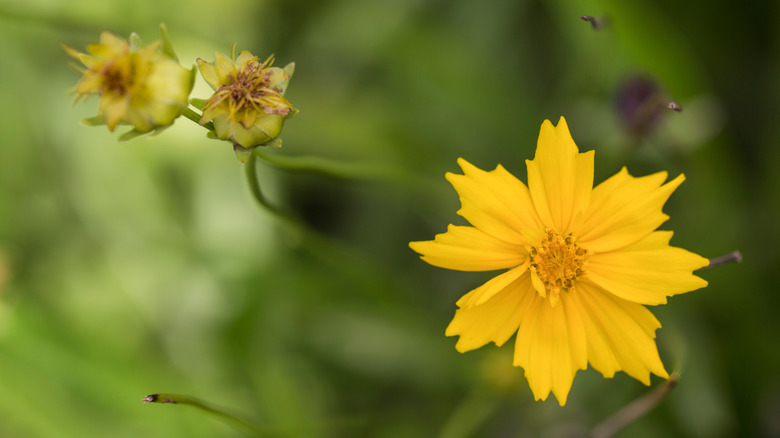
Sow common coreopsis seeds for vibrant yellow blooms in late spring. This wildflower thrives in zones 4 through 9, especially in sunny garden spots with well-draining soil. Its showy flowers are bigger than threadleaf coreopsis, which you can plant in November for cheery summer blooms.
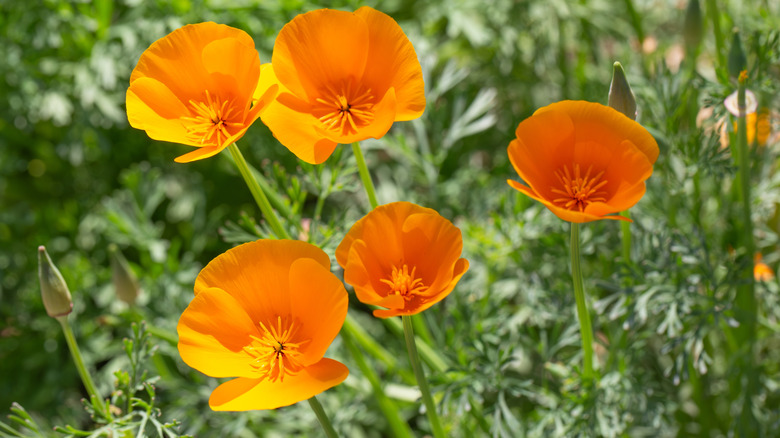
California Poppy (Eschscholzia californica)
The bright orange California poppy is a herald of springtime in the southwestern United States, but you can actually sow their seeds in the fall, even as late as November, in zones 8 through 10. Shallow planting lets the seeds get the benefit of autumn rain, which helps with germination.
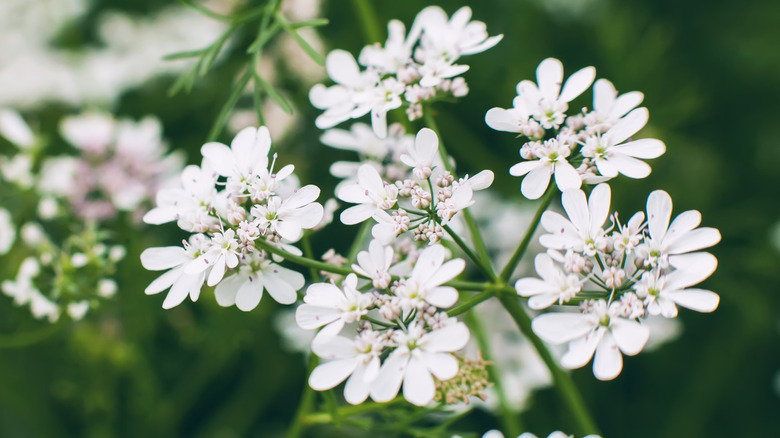
Cilantro (Coriandrum sativum)
If you live somewhere with mild winters, November is a great time to establish your herb garden by getting cilantro started from seed. Cilantro is a cool weather-loving plant, and when sown in late fall it can have a prolific bloom in early spring before facing the hot conditions that make the plant go to seed.
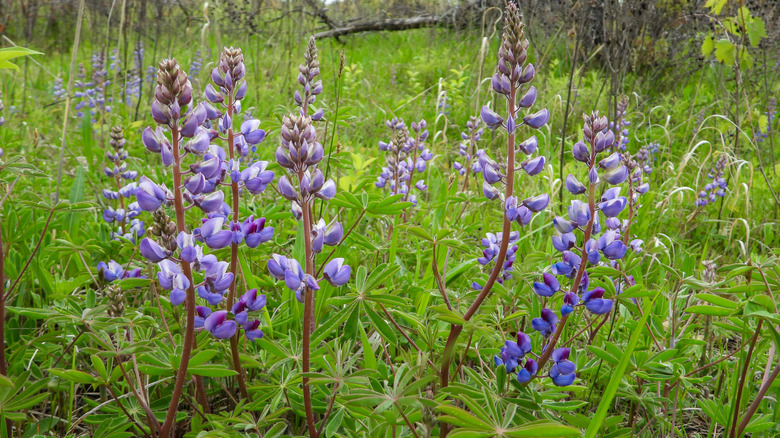
Sundial Lupine (Lupinus perennis)
Look forward to charming spikes of purple, blue, or pink flowers in the spring when you sow the seeds of sundial lupine in November. Its germination depends on being exposed to cold weather, so it's a smart move to sow the seeds just before winter.
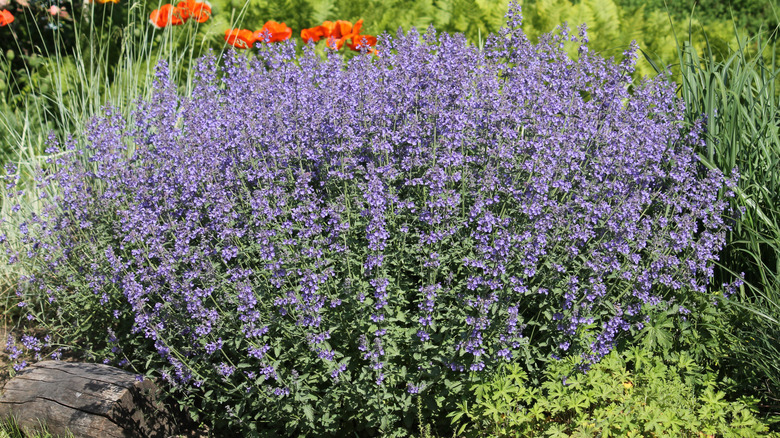
Catmint (Nepeta spp.)
A favorite of both cats and flower admirers, catmint isn't fussy about its preferred soil type and can provide you with multiple flushes of small purple flowers over the warm season. In zones 3 through 8, you can plant this perennial in November for a luscious spring garden.
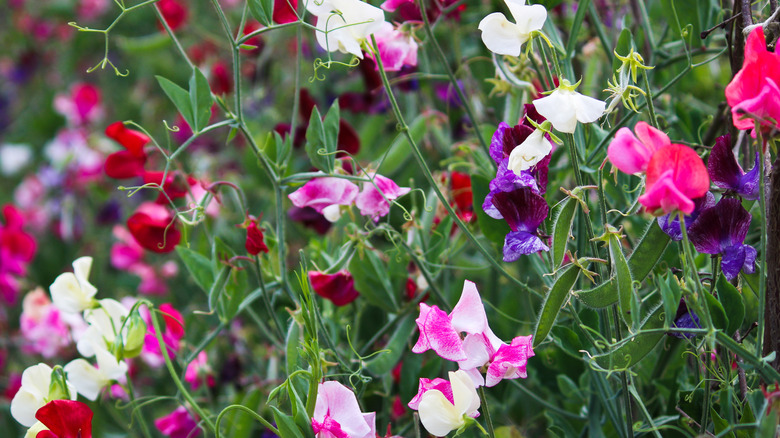
Sweet Pea (Lathyrus odoratus)
The sweet pea is an annual that flourishes best in cool weather. It blooms in a variety of colors, ranging from pink to red and yellow, in spring through summer. November is a great time to sow its seeds in areas with mild winter weather.
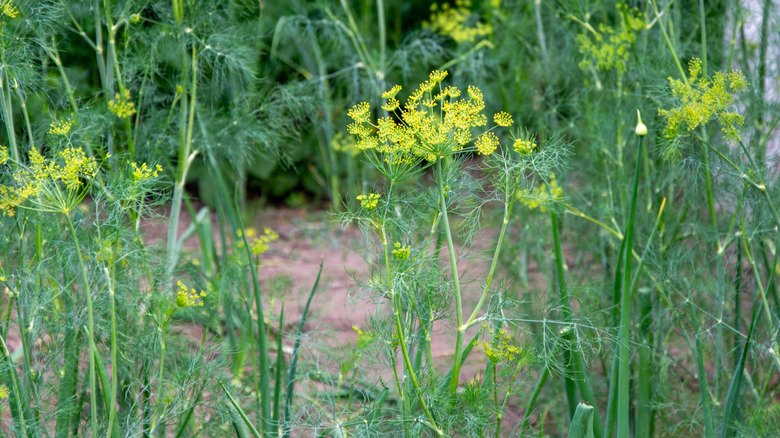
Dill (Anethum graveolens)
By planting dill, you get flavorful, fragrant herbs to use in the kitchen as well as lacy leaves or even attractive yellow flowers if you're growing it ornamentally. Dill loves cool weather, but since you still need to avoid frost, only plant it outdoors in November if you're in a warm area such as southern California.
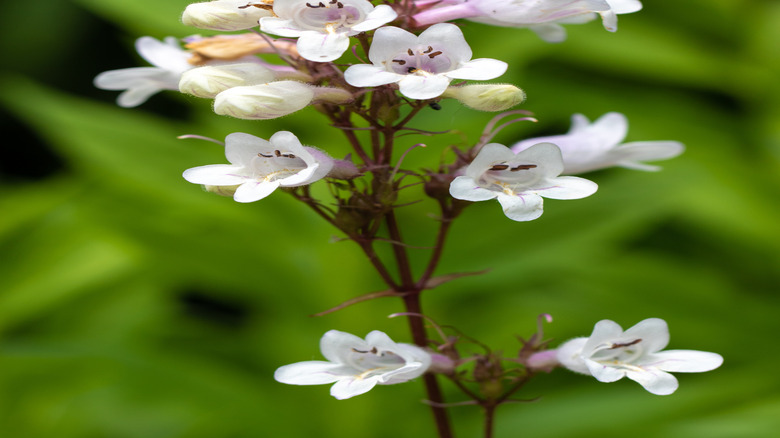
'Husker Red' Beardtongue (Penstemon digitalis)
Tall, pollinator-attracting beardtongue plants are great for flowering border gardens. The thawing and freezing cycle that starts in November wakes up their seeds, but you'll need to look for a specific cultivar if you want to see blooms the same year they're sown.
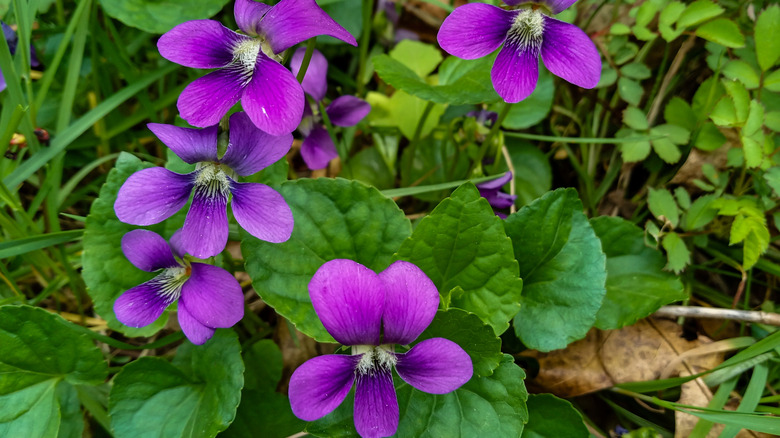
Common Blue Violet (Viola sororia)
Add the easy-to-grow common blue violet to your November sowing list, since they're cool-season plants that use the winter months to grow strong roots. Their small purplish or blue blooms peek out in the beginning of spring in zones 3 through 7.
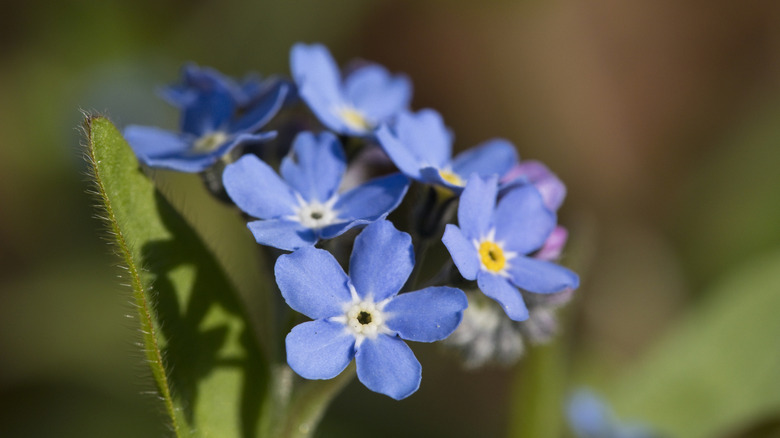
Woodland Forget-Me-Not (Myosotis sylvatica)
Woodland forget-me-nots pop up with sweet blue flowers you'll remember long after their season ends. They can overwinter successfully, so if your climate is mild enough you can plant them in November for spring flowering.
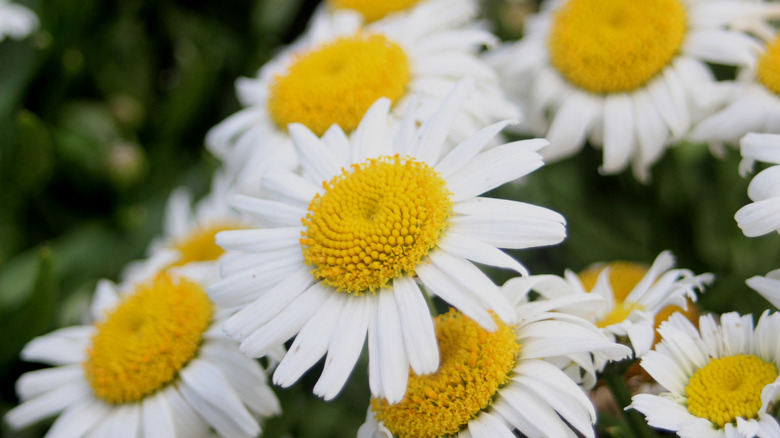
'Snow Lady' Shasta Daisy (Leucanthemum x superbum)
November in a mild climate isn't too late to sow Shasta daisy seeds, but they don't all bloom in the first spring. 'Snow Lady' Shasta daisies are bred to give you a satisfying bloom starting in May, throughout zones 4 through 9.
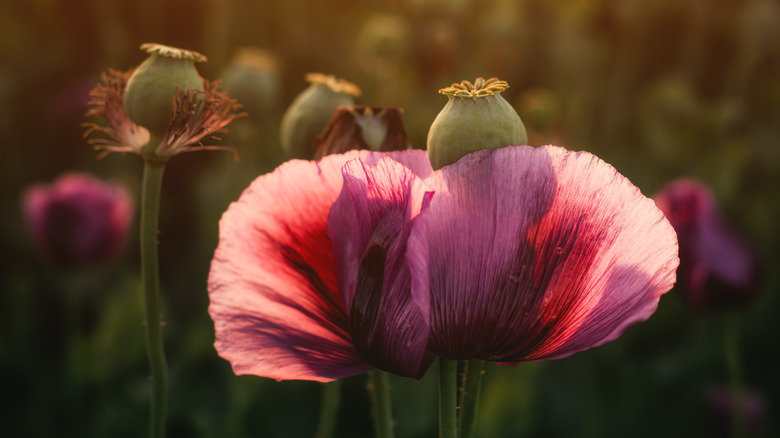
Garden Poppy (Papaver somniferum)
The garden poppy has the dramatic bright petals and visible seeds that represent what many people think of when hearing the word "poppy." The blooms can be vivid red, or other hues like orange or purple. You can sow poppy seeds in November in certain regions across zones 2 through 7.
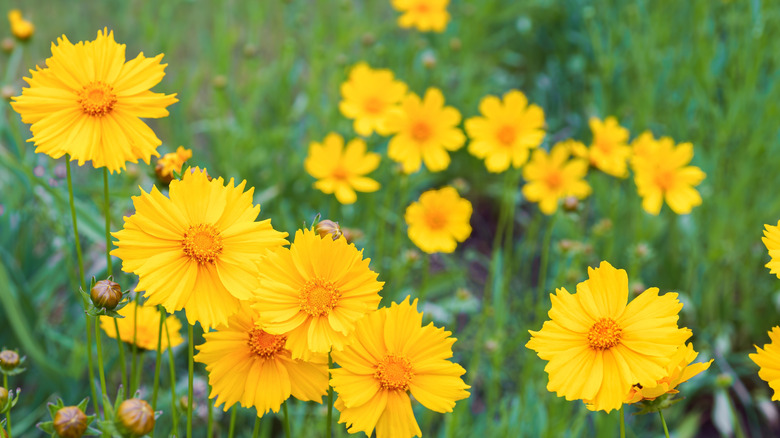
Lanceleaf Coreopsis (Coreopsis lanceolata)
Wildflowers like lanceleaf coreopsis come to the rescue when you think your planting window has passed. With yellow flowers and spear-like leaves, this type of coreopsis is best planted when soil temperatures fall under 50 degrees Fahrenheit.
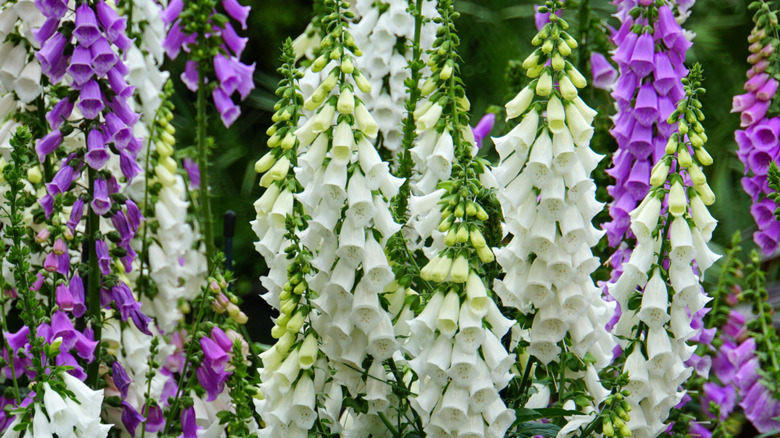
'Camelot' Foxglove (Digitalis purpurea)
If you love the funnel-shaped and dotted flowers of foxglove but want blooms in the first spring after sowing their seeds in November, try the 'Camelot' cultivar. This plant develops hardy roots over the winter in mild climates.
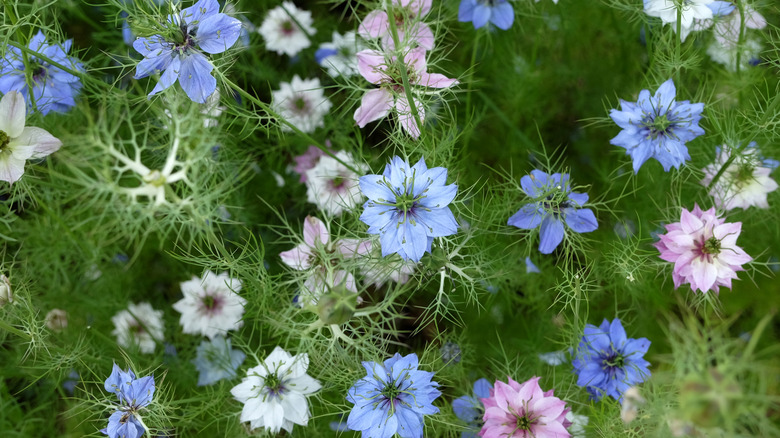
Nigella (Nigella damascena)
Nigella is also known as love-in-a-mist because of the wispy leaves that surround its blue, purple, pink, or white flowers on stems that can reach 2 feet tall. The plant does well starting out in chilly weather, like November, in a region where winters are mild.
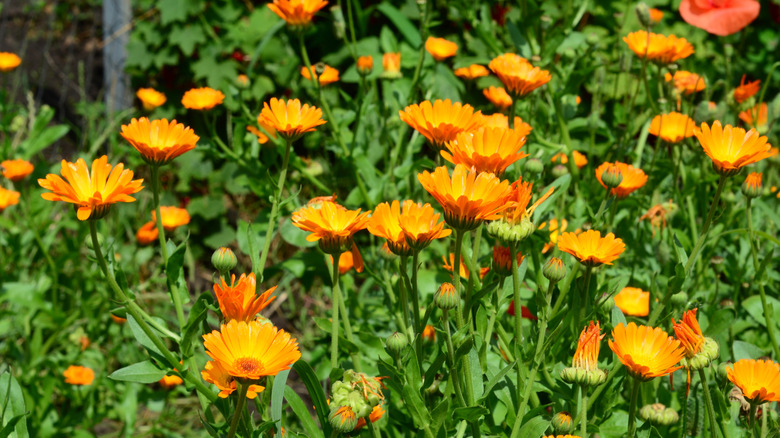
Calendula (Calendula officinalis)
The calendula, nicknamed "pot marigold," is a cold-hardy flowering herb that will bring pops of yellow and orange to the spring and summer garden after it's sown in November. This edible plant has long served as both an ornamental and in herbal remedies.
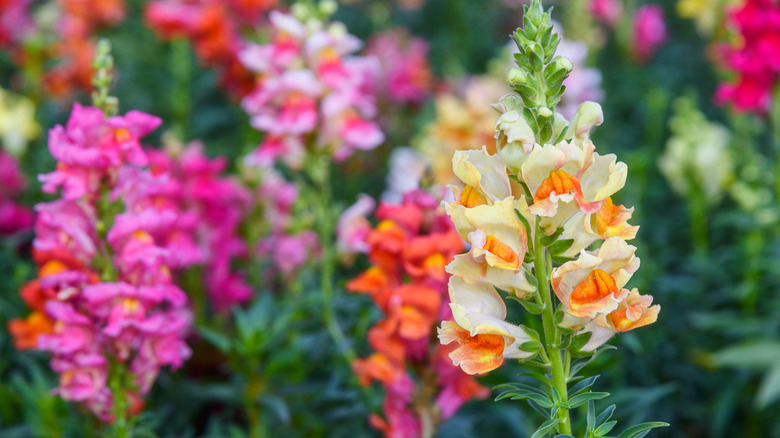
Snapdragon (Antirrhinum majus)
Snapdragon's preference for low evening temperatures makes November a good time to sow them where winter weather tends to be mild, such as in zones 7 through 11. These cool-loving plants spend fall germinating and winter growing into the plants that will flower in hues of yellow, pink, purple and more around May.
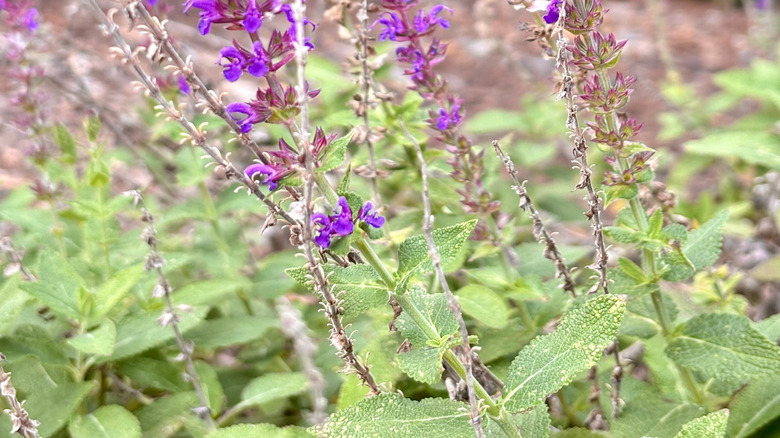
Woodland Sage (Salvia nemorosa)
Filling in garden spaces with woodland sage adds to the whimsy of the landscape. There are cultivars of this violet-flowering plant, such as 'Spring King,' that bloom early in the season, getting a head start on feeding pollinators and delighting gardeners.
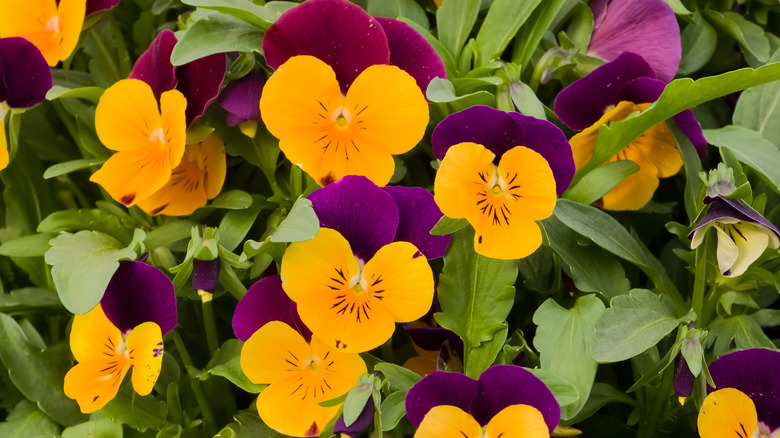
Pansy (Viola x wittrockiana)
The multicolored bloom of a pansy often marks the beginning of spring. These flowering plants aren't comfortable in intense heat and instead prefer temperatures colder than 65 degrees Fahrenheit, making it possible to plant them in a garden bed during November.
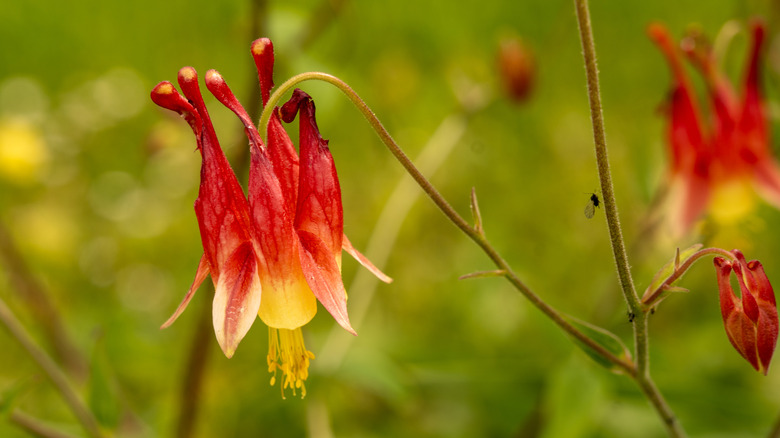
Eastern Red Columbine (Aquilegia canadensis)
The May and June bell-shaped blooms of Eastern red columbine are known to attract hummingbirds. Sowing the seeds of this native plant in November (but not too deeply beneath the surface) will expose the seeds to the cold stratification they need.